
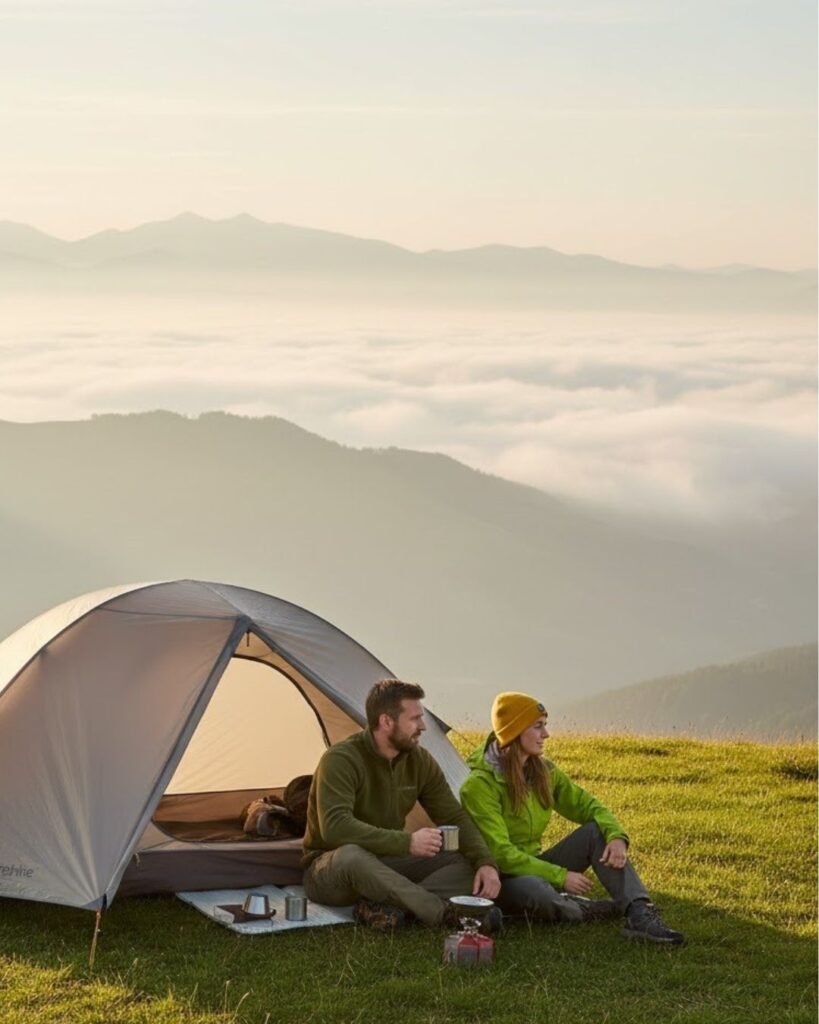
For the true outdoor enthusiast, the changing seasons are not a barrier but an invitation. To accept this invitation requires more than just determination; it requires a complete rethinking of your equipment. This is the domain of 4-season camping gear—specialized, purpose-built equipment designed to provide safety, warmth, and stability in the most demanding conditions nature can deliver. From the driving sleet of a mountain shoulder season to the deep, silent cold of a winter wilderness, the right camping gear is the foundation that transforms a survival scenario into an unforgettable adventure. This guide details the essential systems and philosophy behind building a kit that empowers you to explore confidently, 365 days a year.
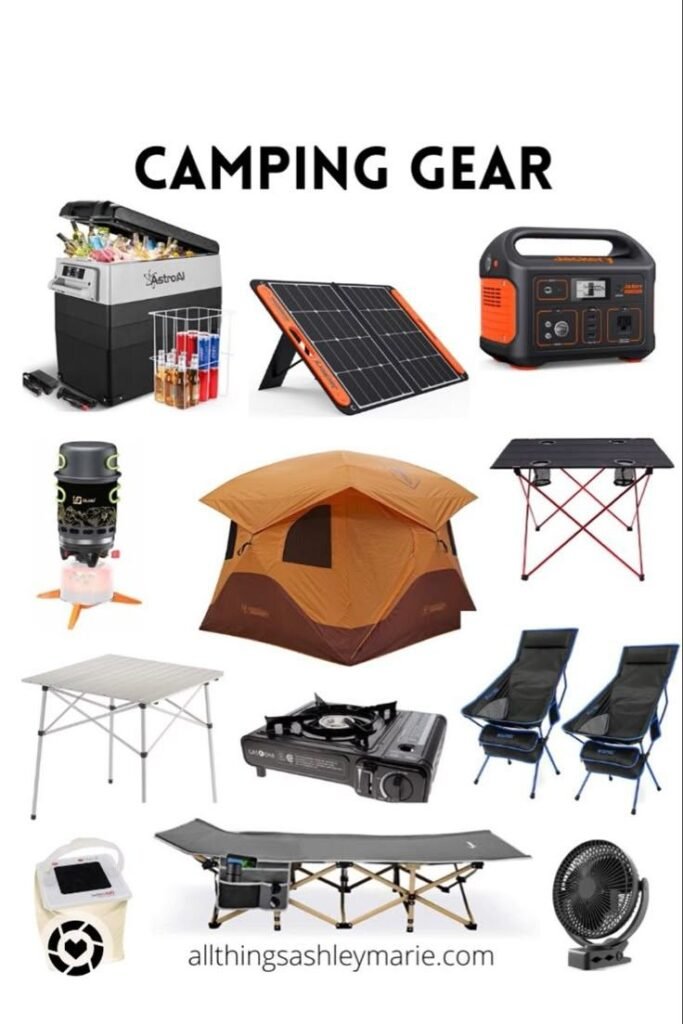
The 4-Season Philosophy: Preparedness is Freedom
The core principle of four-season camping is that the margin for error shrinks to zero. Your camping gear choices must therefore be deliberate, redundant, and focused on creating a wide safety buffer. This isn’t about comfort; it’s about creating a reliable, resilient system where failure is not an option.
- The Systems Approach: Your camping gear is an interconnected ecosystem. Your shelter, sleep system, and clothing must work in concert to manage moisture, retain heat, and block wind. A weakness in one system compromises the entire operation.
- Redundancy Saves Trips: Critical functions demand backups. This means two fire-starting methods, a backup water purification option, and extra insulation layers. In summer, a broken stove is inconvenient; in winter, it’s a serious emergency.
- Master Moisture or Surrender: In cold weather, moisture is the primary adversary. It comes from outside (snow, rain) and inside (perspiration, breath). Your entire camping gear strategy must focus on moisture transport (wicking base layers), vapor barriers (proper shelter design), and protection (robust shells).
The Fortress: 4-Season Shelter Systems
This is the most critical and distinct category of 4-season camping gear. A standard three-season tent will fail—sometimes dangerously—in winter conditions.
- The Anatomy of a 4-Season Tent:
- Robust Structure: Utilizes more poles, often in a geodesic or semi-geodesic dome design. This creates a strong, stable skeleton capable of supporting heavy snow loads and resisting hurricane-force winds without collapsing or flapping uncontrollably.
- Bombproof Materials: Employs heavier, higher-denier fabrics for the canopy, floor, and rainfly. The rainfly extends nearly to the ground to block wind-driven snow and rain and features reinforced guy-out points for additional stability in storms.
- Intelligent Ventilation: Precisely placed vents allow for controlled airflow to exhaust warm, moist air from inside the tent (which can condense and freeze) while minimizing heat loss. A double-wall design (separate inner breathable tent and outer solid fly) is essential for this balance.
The Survival Cocoon: Advanced Sleep Systems
Your sleep system is your primary life-support for 8+ hours of inactivity. There is no room for guesswork in your camping gear selection here.
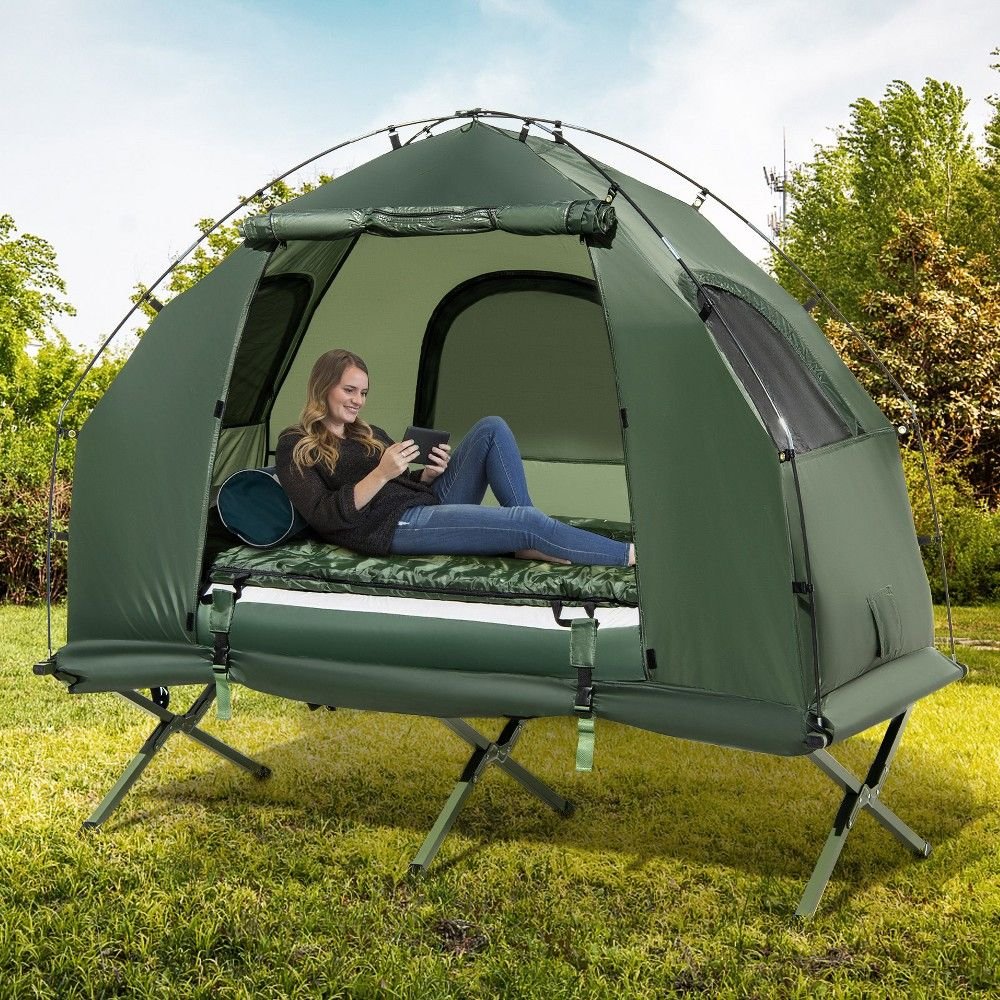
- The Sleeping Bag: Your Personal Microclimate
A true 4-season sleeping bag is a serious piece of expedition camping gear. Key features include:- Aggressive Temperature Rating: Select a mummy bag rated to at least 10-15°F (6-9°C) colder than the lowest temperature you expect to encounter. A -20°F (-29°C) bag is for -10°F (-23°C) nights.
- Premium Insulation: High fill-power down (800-fill and above) offers the best warmth-to-weight ratio for dry cold. For wetter climates, modern hydrophobic down or high-loft synthetic fills (like PrimaLoft Gold) are superior as they retain loft and warmth when damp.
- Draft-Free Design: Look for a continuous baffle design (preventing insulation from shifting and creating cold spots), a draft tube behind the full-length zipper, and an insulated draft collar that seals around your neck.
- The Sleeping Pad System: Insulation from the Ground
The ground is a massive heat sink. One pad is insufficient. The 4-season camping gear standard is a multi-pad system:- Base Layer: A full-length closed-cell foam pad (R-value ~2). This is your vapor barrier and indestructible backup.
- Primary Insulation: An inflatable pad with a high R-value of 5.0 or greater. Stack this on top of the foam pad.
- Combined R-value: This system achieves an R-value of 7+, creating an effective barrier against conductive heat loss to the frozen earth.
The Dynamic Defense: Technical Layering Systems
Dressing for four-season conditions is an active process of managing your personal microclimate through strategic layering.
- Base Layer (Moisture Transport): Merino wool or synthetic fabrics (like polyester) are mandatory. Never cotton. This layer must move sweat away from your skin to keep you dry.
- Mid Layer (Active Insulation): Fleece or a lightweight synthetic/down jacket. This is your adjustable thermostat for when you are active.
- Shell Layer (Weather Protection): A hardshell jacket and pants with a fully waterproof/breathable membrane (e.g., Gore-Tex) and fully taped seams. This is your shield against wind, rain, and snow.
- Static Insulation Layer (Camp/Survival): A heavyweight, expedition-grade down or synthetic parka. This is not for hiking. It’s for wearing the moment you stop moving at camp. It is arguably the single most important piece of safety camping gear you will own.
- Extremity Protection: Heat escapes fastest from the head, hands, and feet.
- Head: A warm beanie, a balaclava for severe cold.
- Hands: A liner glove inside an insulated waterproof mitten.
- Feet: Moisture-wicking liner socks under heavy wool or insulated socks. Insulated, waterproof winter boots with removable liners are essential.
Mission-Critical Systems: Kitchen, Water & Tools
Winter camping transforms simple tasks into complex procedures that your camping gear must facilitate.
- The Kitchen: Melting Snow for Survival
- Stove: A liquid-fuel (white gas) stove is the only reliable choice for core 4-season camping gear. Canister stoves fail in sub-freezing temperatures as the gas pressure drops. White gas performs consistently in deep cold and high altitude.
- Fuel Efficiency: A windscreen and a pot cozy (insulating wrap for your cookpot) are essential for conserving precious fuel, especially when melting snow for water.
- Water Management: The Constant Battle Against Ice
- Prevention: Use wide-mouth bottles (they freeze shut less easily). Store bottles upside down (ice forms at the top first). Keep them in insulated sleeves or inside your pack.
- Night Strategy: Sleep with your water filter (to prevent it from freezing and cracking) and one water bottle in your sleeping bag to ensure liquid water in the morning.
- Essential Tools & Safety Gear
- Navigation: A GPS is useful, but map, compass, and the skill to use them are non-negotiable pieces of camping gear. Batteries die quickly in the cold.
- Traction & Travel: Snowshoes or alpine touring skis for deep snow. Microspikes or crampons for ice.
- Avalanche Safety: In avalanche terrain, a transceiver, probe, and shovel—and the training to use them—are as essential as your tent.
Conclusion: The Gear is a Means, Not an End
Ultimately, 4-season camping gear is an enabler. It is the physical toolset that, combined with knowledge, experience, and respect for the environment, grants you access to the world in its most raw and magnificent states. It is the difference between enduring the elements and engaging with them. By investing thoughtfully in this specialized camping gear and committing to learning its proper use, you unlock the door to a year-round adventure—where the challenges are greater, the crowds are nonexistent, and the rewards are profoundly deeper. The seasons change, but the adventure doesn’t have to stop.