
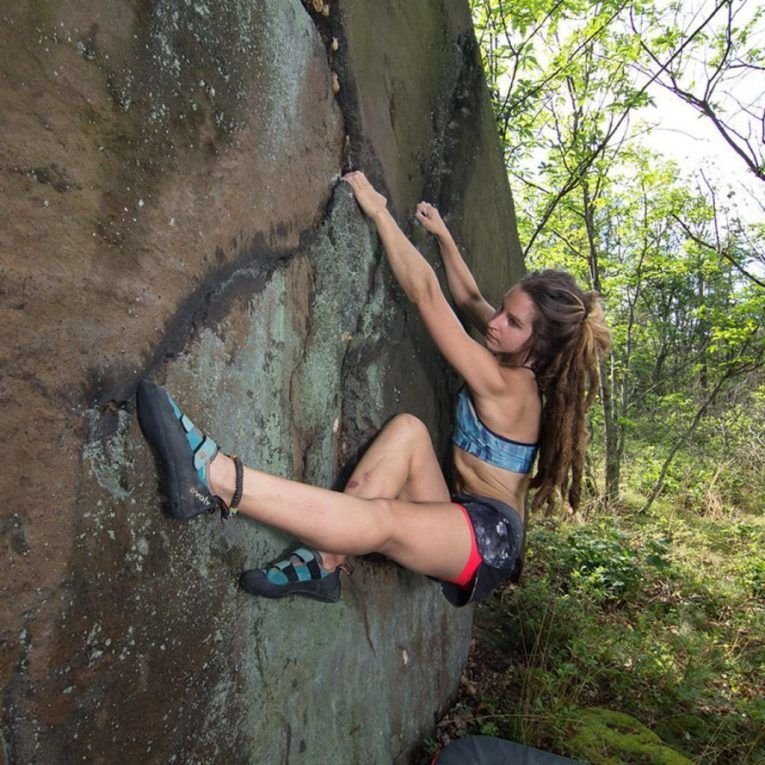
Climbing shoes are specially designed footwear to provide grip and support to rock faces or climbing walls. They come in three styles: neutral, medium, and aggressive, to suit different climbing styles and skill levels.
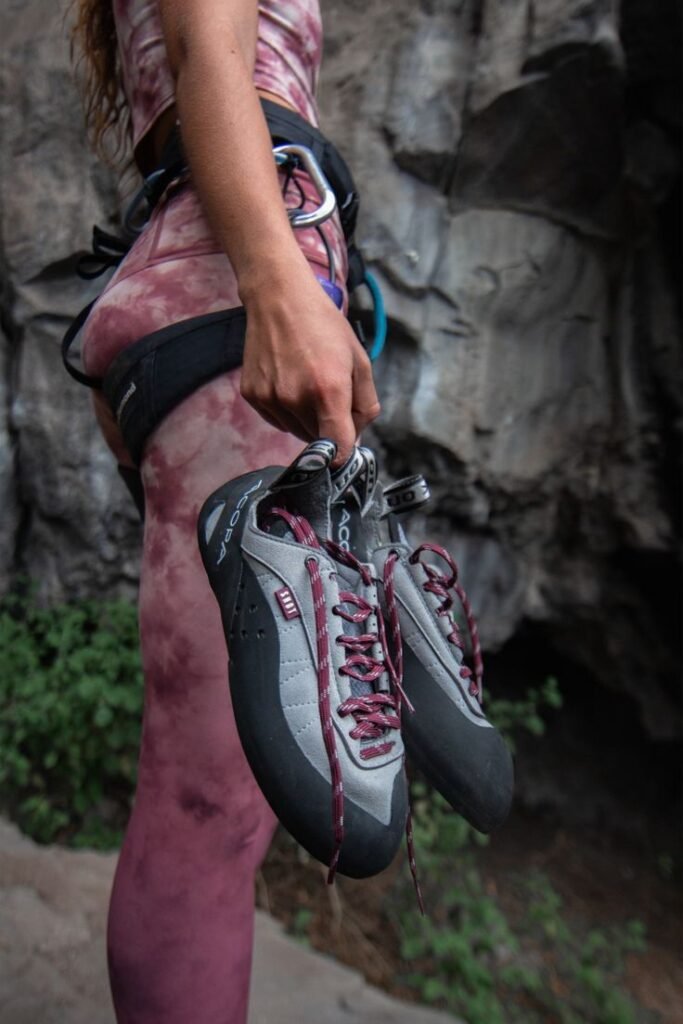
Understand Different Types of Climbing Shoes:
Climbing shoes come in a variety of shapes and designs, each suited to a specific type of climbing. Understanding their differences will help you choose the right climbing shoes for your style, comfort, and performance.
Aggressive Climbing Shoes
These shoes have a tapered shape that keeps the toe flexed.
Excellent for overhangs, steep walls, and technical climbing.
They offer maximum precision and power on short strides.
Due to their tight, flexed design, they are often less comfortable for long climbs.
Medium Climbing Shoes
These shoes offer a balance between a slightly tapered shape, performance, and comfort.
Suitable for various climbing styles, including sport climbing and bouldering.
They offer good support, flexibility, and precision between the toes.
Neutral Climbing Shoes
These shoes have a flat or slightly flexed shape to provide comfort and a natural foot position.
Ideal for beginners, long-distance climbing, or overhanging routes.
They are best suited for long-distance climbs but can be a bit conservative on steep routes. When choosing climbing shoes, consider your climbing goals and the terrain. High-performance climbing shoes can improve your performance on challenging climbs, while neutral, comfortable shoes offer comfort and versatility. Understanding the different types of climbing shoes will help you find the right style for you, whether you’re a beginner or a professional climber.
Finding the Right Climbing Shoes:
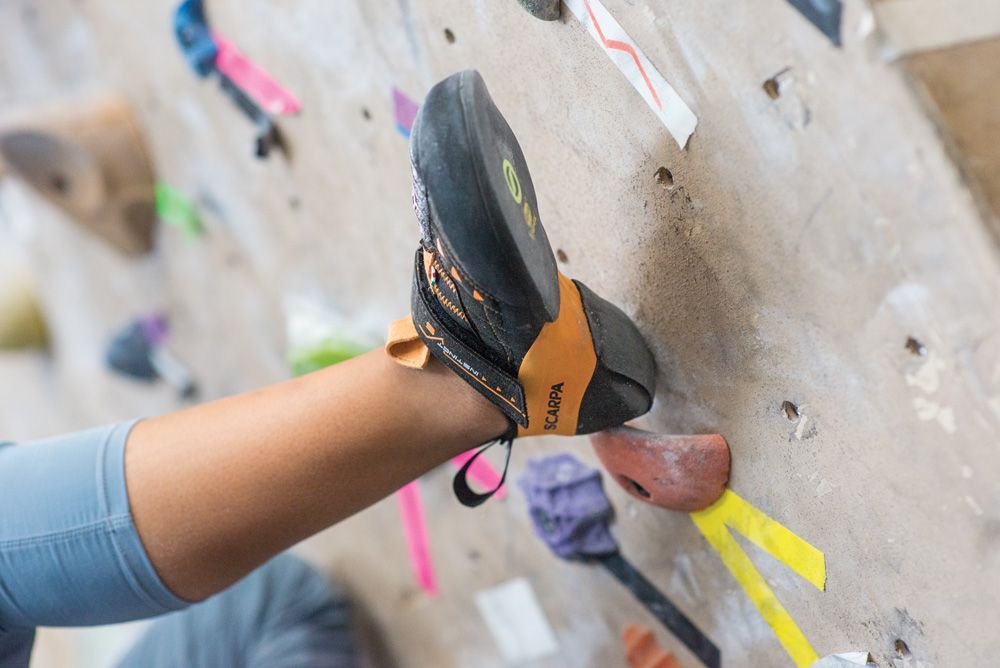
Finding the right climbing shoes is essential for your comfort and safety on the rock. The right pair should be pain-free, have a good grip, and be suitable for the type of climbing you do. Climbing shoes are designed to improve foot alignment, provide grip on difficult terrain, and provide stability for prolonged use.
Consider the following when searching for the right pair:
Fit and Size: Shoes should fit comfortably but not be painful. Aggressive runners will have a bit of stiffness in their feet, but neutral runners may be comfortable.
Climbing style: Heavy climbing for steep slopes, gentle climbing for flat trails, and neutral climbing for spikes or pavers.
Material: Leather tends to sit on the sole over time, while synthetic shoes retain their shape. The rubber feet provide grip and help protect small areas.
Comfort vs. Performance: Balance is important. High-quality shoes may not be the best, so choose based on your climbing goals.
By considering these factors, you can find climbing shoes that not only fit well but also improve your climbing experience and safety.
Match Your Climbing Shoes to Your Climbing Style:
Choosing the right climbing shoe isn’t just about size; it’s about selecting a shoe that suits your climbing style, the type of terrain you’ll be climbing, and your skill level. Every climbing route presents its own unique challenges, from steep cliffs to rocky slabs or long, multi-stage runs, and the right shoe can make a significant difference in comfort, safety, and performance.
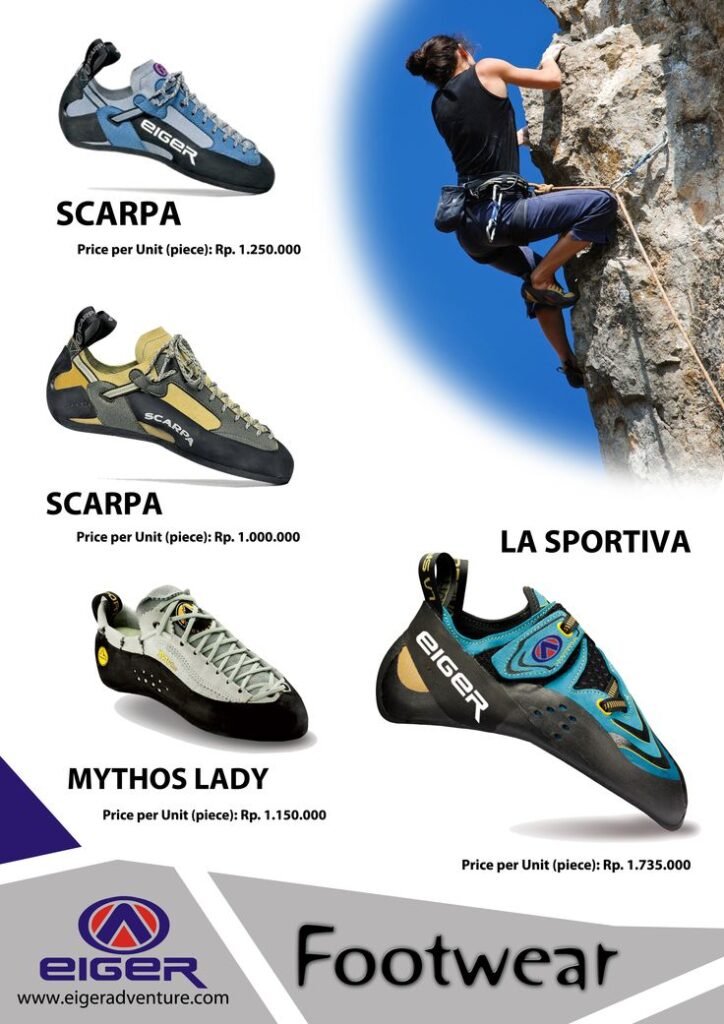
Professional climbing shoes: These shoes are designed for climbers tackling steep walls or technical rock runs. Their pointed toe shape helps the toes curve, allowing for maximum power transfer with every stride. The snug fit and precise rubber sole allow you to grip small bumps and perform dynamic movements. While they offer exceptional performance, professional shoes are typically less comfortable on long climbs, making them ideal for shorter, more challenging ascents.
Intermediate climbing shoes: With their slightly pointed shape, intermediate climbing shoes offer a balance between comfort and performance. They are versatile enough for indoor climbing, sport climbing, and intermediate outdoor trails. Their design allows for optimal foot positioning while providing superior comfort for long climbs.
Neutral Climbing Boots: Flat or slightly curved boots are ideal for beginners or those planning long climbs where comfort is a top priority. Neutral boots are suitable for rock climbing or easy trails and can be worn all day without sacrificing support.
Other factors include the type of material, such as leather, which molds to the shape of the foot over time, versus synthetics, which retain their shape, and the type of closure, which affects fit and ease of use. Additionally, the stiffness of the sole determines the support the foot receives on small ledges or crevices.
By carefully selecting climbing boots that suit your style, you will not only improve your performance but also reduce fatigue, prevent injuries, and enjoy a more comfortable and efficient climbing experience. The right boots will enable you to tackle every climb with confidence, whether you are a beginner or aiming for challenging summits.
Climbing Shoes Durability Check:
When buying climbing shoes, durability is just as important as comfort and performance. High-quality climbing shoes are designed to withstand the constant stresses of various climbing activities, including indoor gym workouts, outdoor free climbing, sport climbing, and multi-stage trails. A durability check ensures your shoes provide long-term support, stability, and protection, while minimizing the risk of premature wear and tear.
Key aspects to check:
Sole and Rubber: The sole is the foundation of a climbing shoe. A durable rubber sole maintains its grip and stability over time, providing reliable traction on rock surfaces or artificial walls. Check for any signs of thinning, cracking, or separation. Shoes with thick, high-quality rubber tend to last longer.
Upper Material: Both leather and synthetic materials have durability considerations. Leather conforms to the shape of your foot over time but is stretchy and requires care, while synthetic materials resist stretching and retain their shape but may wear out more quickly in high-traffic areas.
Seams: Carefully inspect all seams, stitching, and closure areas. Poor stitching can cause premature wear, while reinforced seams extend the life of your shoes.
Closure Systems: Check laces, Velcro straps, or slip-ons for any damage or tearing. Velcro may lose its grip over time, and laces may fray, affecting fit and performance.
Durability Testing in Realistic Conditions:
Regularly wear your shoes in conditions similar to your usual climbing environment.
Observe the resistance of the rubber edges against your feet and the material’s abrasion resistance.
Alternate between different types of shoes if you climb frequently to extend their lifespan.
A thorough durability test of your climbing shoes not only ensures a longer lifespan for your investment but also provides you with safety and confidence while climbing. Durable shoes maintain performance, protect your feet, and allow you to focus on improving your technique without worrying about equipment damage.