
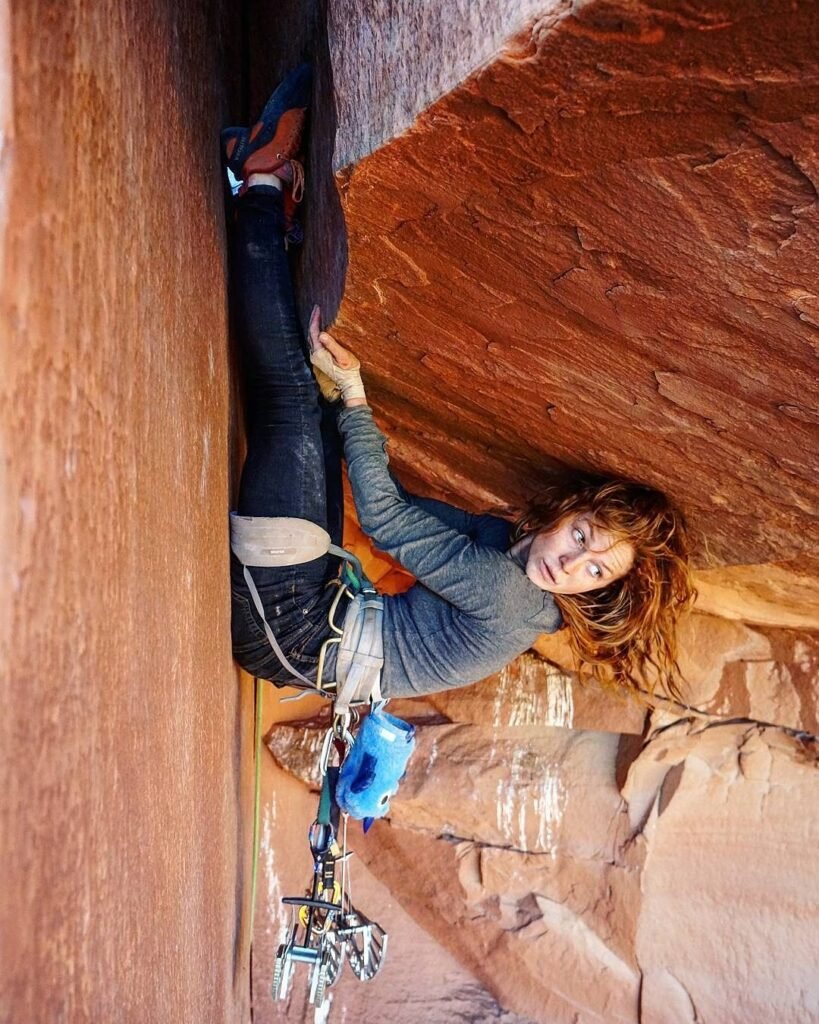
“Discover the essentials of Grotto Climbing with this beginner’s guide. Learn safety tips, basic techniques, and how to enjoy your first climbing adventures.”
What Makes Grotto Climbing Unique:
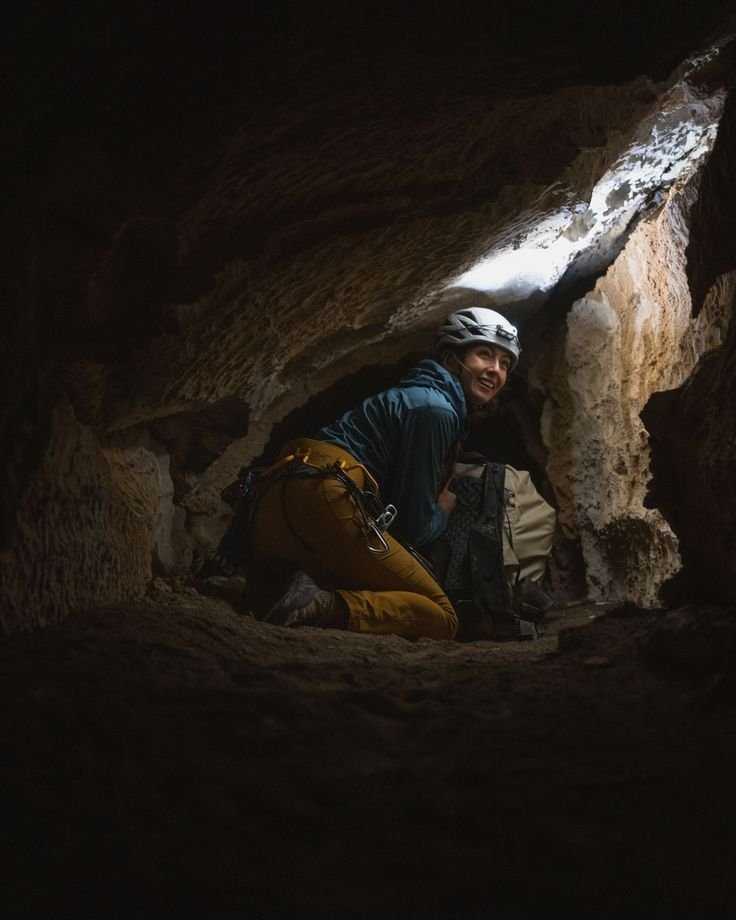
Cave climbing is a unique experience, combining the thrill of rock climbing with the mystery of cave exploration. Unlike traditional rock climbing on exposed rock walls, cave climbing takes place in small caves, coastal grottoes, or rocky cavities, where the environment is constantly changing. Climbers often encounter uneven surfaces, narrow passages, low light, and natural humidity, making each climb a new and exciting challenge.
One of the most distinctive features of cave climbing is its natural environment. Caves are often sculpted by water and time, creating unusual rock formations, textured walls, and hidden anchor points not found on traditional climbing routes. This makes cave climbing more adventurous and exploratory, as climbers are forced to adapt their techniques to the environment rather than following predetermined paths. Another factor that makes cave climbing unique is the sense of discovery. Many caves are located in secluded areas near waterfalls, coastlines, or forests, offering climbers the chance to explore less crowded and more scenic locations. The combination of climbing, nature, and exploration makes cave climbing particularly appealing to beginners seeking a new and exciting outdoor experience.
Overall, cave climbing is a challenge for both body and mind, offering a unique blend of adventure, skill development, and connection with nature.
Essential Gear for Grotto Climbing:
Having the right equipment is crucial for safe and enjoyable grotto climbing. Since caves often feature uneven rock, dim lighting, and wet or slippery surfaces, proper gear will help protect you and improve your performance, especially for beginners.
The most important element is climbing footwear. Shoes with a firm sole and good traction provide greater stability on the smooth or wet rock surfaces often found in caves. For caves near water, waterproof or quick-drying shoes are recommended.
Wearing a helmet is essential when cave climbing, as low ceilings and falling rocks are common hazards. It protects your head when navigating narrow passages or climbing under overhanging areas. A harness and rope system provides added security, especially on steep or vertical sections, and should always be used under proper supervision.
Because caves can be dark, a headlamp or waterproof flashlight is essential for visibility. Using a light source without needing to use your hands helps you focus on balance and grip. Gloves provide hand protection and a better grip, while quick-drying clothing keeps you comfortable in wet conditions.
Finally, having a small first-aid kit and a bag of chalk is extremely useful. With the right equipment, cave climbing becomes safer, more confident, and more enjoyable for both novice and experienced climbers.
Best Locations for Beginner Grotto Climbing:
Choosing the right location is crucial for beginner cavers. Beginner caves are characterized by their accessibility, stable rock formations, and guided trails, helping them gain confidence while staying safe.
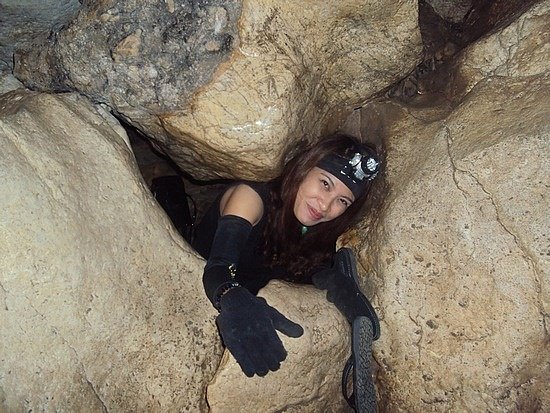
Coastal caves are among the best places for beginner cavers. Often formed by ocean waves, these caves feature wide passages, natural climbing areas, and stunning scenery. Many coastal areas offer guided cave tours, making them ideal for beginners seeking professional support.
Inland caves located near forests, rivers, or waterfalls are also excellent choices for beginners. These locations typically have moderate temperatures, hard rock surfaces, and shorter trails, allowing beginners to easily practice basic techniques. Caves near waterfalls, in particular, offer a tranquil and visually appealing environment.
For beginners, popular adventure destinations and national parks are excellent options. These sites often adhere to safety standards, feature marked trails, and employ experienced instructors specializing in beginner-level cave climbing. Artificial or semi-natural caves in adventure parks can be a safe place to learn.
Generally, the best cave destinations for beginners are those that combine safety, accessibility, and natural beauty, allowing beginners to enjoy the adventure and develop essential skills.
Beginner Mistakes to Avoid in Grotto Climbing:
Starting a cave climb can be an exciting experience, but beginners often make mistakes that can compromise their safety and enjoyment. Knowing these common errors can help novice climbers stay safe and gain confidence.
- Neglecting Safety Equipment
One of the biggest mistakes is neglecting to bring necessary equipment, such as helmets, safety harnesses, ropes, and appropriate climbing shoes. Even seemingly simple caves may have falling rocks or slippery surfaces, so safety gear is essential. - Overestimating Your Abilities
Beginners sometimes attempt challenging routes beyond their capabilities. Cave climbing requires balance, a strong grip, and awareness of the surrounding environment. Starting with easier caves ensures a safer learning experience. - Ignoring Environmental Conditions
Wet rocks, poor lighting, or sudden changes in weather can make climbing dangerous. Always check the condition of caves, wear appropriate clothing, and carry a headlamp or flashlight if needed. 4. Climbing Rocks Alone
Attempting to climb rocks in caves alone is risky. Beginners should always climb with a guide, partner, or in a group to ensure easy access to help in case of an emergency. - Incorrect Foot and Hand Position
Using unstable grips or improper climbing technique can lead to slips and injuries. Focus on smooth movements and maintain three points of support while climbing. - Neglecting Warm-up or Stretching
Skimming a warm-up can increase the risk of muscle strain. Even short stretches before climbing can help prevent injuries and improve performance.
By avoiding these common beginner mistakes, novice climbers can enjoy rock climbing in caves safely, while developing their skills and gaining confidence for future adventures.
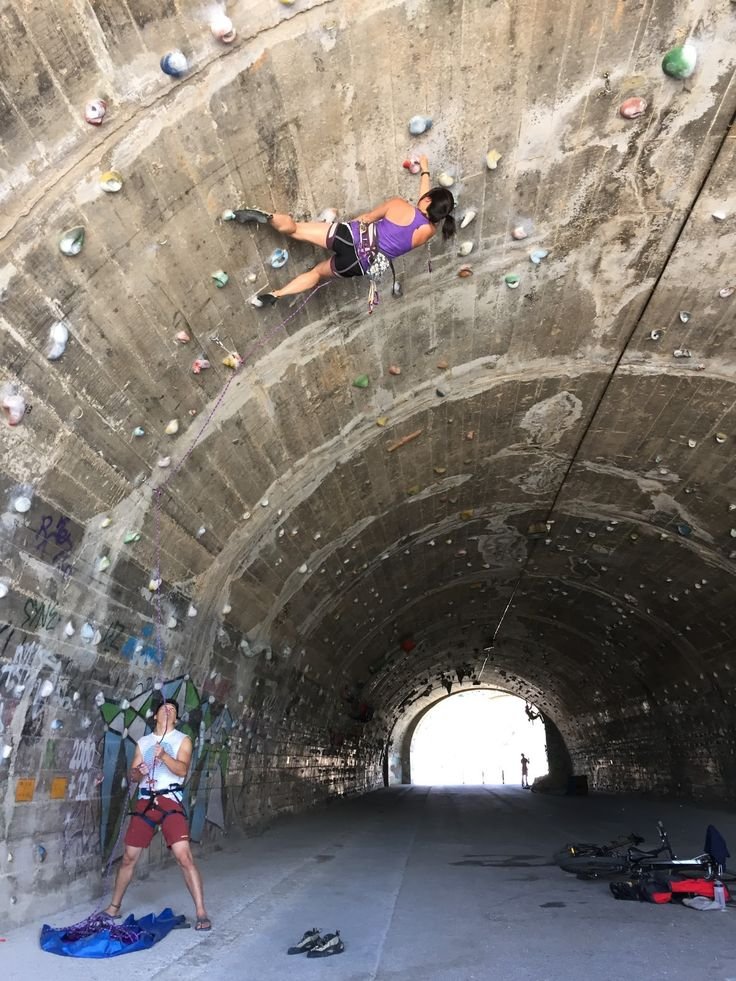
Is Grotto Climbing Suitable for Beginners?
Yes, cave climbing is suitable for beginners, but it depends on the location, training, and style. Unlike strenuous rock climbing, many caves offer easy routes, natural climbing areas, and short trails, making them ideal for novice climbers looking to practice basic techniques.
Why should beginners try cave climbing?
Variable difficulty levels: Many caves have beginner-friendly sections with stable rock and gentle slopes.
Safe environment: Some coastal or inland caves are popular tourist destinations, offering supervised and safe guided tours.
Skill development: Beginners can learn basic climbing skills, such as balance, foot placement, and grip, in a relatively safe environment.
Connecting with nature: Cave climbing combines adventure and exploration, allowing beginners to experience caves, waterfalls, and stunning rock formations in an enjoyable way.
Tips for beginners:
Always climb with a guide or experienced partner.
Use appropriate cave climbing equipment, such as climbing shoes, helmets, and gloves. Start with easier caves before moving on to more challenging routes.
Be aware of wet or slippery surfaces and areas with poor lighting; carry a headlamp if needed.
With caution, the right equipment, and guidance from an instructor, cave climbing is a great activity for beginners, allowing you to build confidence, enjoy nature, and gradually develop your climbing skills.