

The words family tour can trigger immediate excitement—and just as quickly, budget anxiety. Visions of costly theme park tickets, overpriced airport food, and cramped hotel rooms can make the dream feel financially out of reach. However, an unforgettable family tour is not defined by how much you spend, but by the quality of the shared experience. With strategic planning, creativity, and a shift in mindset, you can craft a rich, memorable, and adventure-filled family tour that respects your financial boundaries. This guide provides a step-by-step blueprint to make it happen.
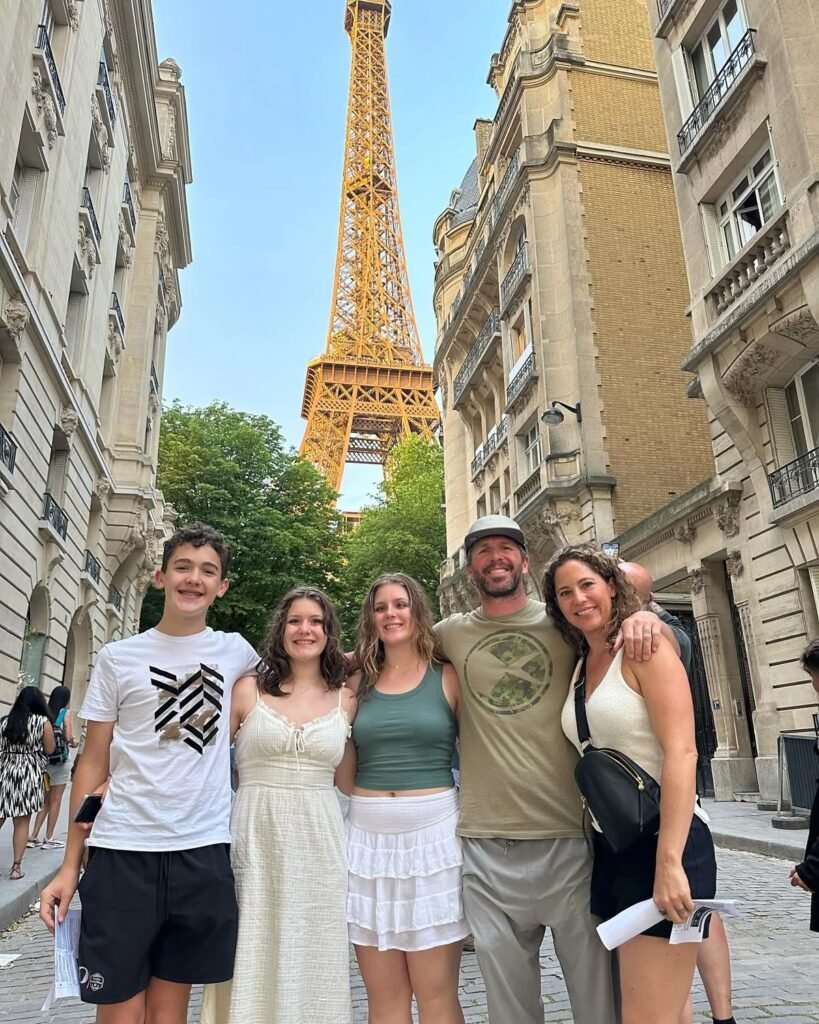
Phase 1: The Mindset Shift – Redefining a Budget Family Tour
Before opening a single booking site, reframe what success looks like. A budget family tour isn’t a lesser version of a luxurious one; it’s a smarter, more intentional adventure. The goal is to maximize value, minimize waste, and prioritize connection over consumption. The luxury on a budget family tour becomes time together, novel experiences, and the freedom from financial stress during the trip itself.
Phase 2: The Strategic Foundation – Collaborative Planning
A budget family tour thrives on teamwork and transparency from the start.
- The Family Summit: Hold a meeting to set the “why.” Is this about beach relaxation, mountain hiking, or city exploration? Let kids contribute ideas—their excitement is part of the investment. This shared vision prevents costly, last-minute changes of heart.
- The Transparent Budget Build: Create the budget with the family. Use a simple pie chart or spreadsheet with categories:
- Transportation (40%): Flights, gas, train passes.
- Lodging (30%): Your home base for the tour.
- Food & Experiences (20%): Daily sustenance and activities.
- Contingency Fund (10%): Non-negotiable for surprises.
Involve older kids in tracking expenses against this budget using a simple app, turning finance into a practical math lesson.
Phase 3: The Cost-Cutting Engine – Smart Logistics & Booking
This is where strategic decisions yield major savings for your family tour.
- Destination Intelligence: The single biggest cost driver. Consider:
- Shoulder Seasons: Travel just outside peak summer or holiday weeks. You’ll find better weather than in winter, but far lower prices and crowds than in high season.
- Alternative Locations: Instead of a famous, expensive national park, research a nearby state park with similar landscapes. Choose a vibrant smaller city over a pricy major capital.
- Drive-to Destinations: Eliminating airfare for a 3-6 hour driving radius can cut your tour’s core cost by half or more.
- Accommodation Hacks: Ditch the standard hotel model.
- Vacation Rentals: A condo or house with a kitchen (Airbnb, Vrbo) is the gold standard for budget family tours. Preparing your own breakfasts, packing lunches, and cooking some dinners saves hundreds. The separate living space also preserves sanity.
- Home Exchanges: Explore platforms like HomeExchange for a truly local, cost-free stay.
- Camping: For the adventurous, this is the ultimate budget-friendly family tour, creating priceless memories under the stars.
- Transportation Tactics:
- Flight Alerts: Use Google Flights, Skyscanner, or Scott’s Cheap Flights. Be flexible with dates and nearby airports.
- The Road Trip Rule: If driving, calculate tolls and gas. Pack a cooler with drinks and snacks to avoid costly convenience store stops.
Phase 4: The Experience Economy – Curating Low-Cost, High-Impact Activities
The heart of your family tour is what you do. Luxury is in the experience, not the price tag.
- The “One Big Thing” Rule: Plan for one paid, premium activity per destination (e.g., a museum entry, a guided kayak tour). Book this in advance. It gives everyone a special highlight to anticipate.
- The Abundance of “Free”: Build the rest of your itinerary around free and low-cost gems:
- Nature’s Playground: Hikes, beaches, lakes, and geocaching adventures.
- Cultural Freebies: Many museums have “free admission” days or hours. City walking tours (tip-based) are fantastic.
- Local Life: Spend an afternoon at a bustling public library, a historic town square, or a university campus. Visit farmers’ markets for samples and people-watching.
- The DIY Tour: Become your own guide. Pre-download podcasts or audio tours for historic areas. Create a themed scavenger hunt in a new city. The engagement you create is more valuable than a purchased bus ticket.
Phase 5: The Sustenance Strategy – Conquering Food Costs
Food is a major budget leak on any family tour. Control it with a plan.
- The Kitchen Advantage: This is why the rental is key. Start each day with a home-base breakfast. Prepare hearty picnic lunches with local ingredients.
- The “One Meal Out” Guideline: Designate lunch or dinner as your daily restaurant meal. Opt for lunch—it’s often cheaper than dinner at the same spot. Research casual, authentic local eateries away from tourist hubs.
- Snack Arsenal: Never get caught hungry. Pack a reusable bag with granola bars, fruit, nuts, and refillable water bottles. This prevents desperate, overpriced purchases.
Phase 6: On-the-Ground Budget Discipline
The plan only works if you execute it during the family tour.
- Use Cash for Daily Allowances: Withdraw a set amount of cash for your “Food & Experiences” fund for each day or leg of the tour. When the cash is gone, you’re done spending. This visual cue is powerful for kids and adults.
- Leverage Tech: Use apps like Trail Wallet or a simple shared notes app to log every expense in real-time against your budget categories.
- Embrace the “No”: Part of a budget family tour is modeling smart choices. It’s okay to say, “That souvenir doesn’t fit in our budget, but let’s take a great photo instead,” or “We’ll enjoy the view from this free overlook instead of paying for the tower.”
Phase 7: The Priceless Extras – Investing in What Truly Matters
Finally, remember that the most valuable parts of a family tour are free.
- Invest in Connection: Put phones away during meals and hikes. Play car games. Share “highs and lows” each evening. This undivided attention is the real luxury.
- Invest in Memories: Instead of souvenirs, collect free mementos: ticket stubs, pressed flowers, a rock from a hike. Have each child keep a simple sketch or journal. These become your most treasured souvenirs.
- Invest in Flexibility: Leave room in your itinerary for the magic of the unplanned—the discovered playground, the local festival you stumble upon, the extra hour at a spot everyone loves. This spontaneity is the soul of a great family tour.
Conclusion: The Richness of Resourcefulness
Planning a family tour on a budget is not about deprivation; it’s about empowerment. It’s a creative project that teaches resourcefulness, collaboration, and the profound truth that joy isn’t purchased—it’s built through shared discovery, laughter, and the collective triumph of navigating a new place together. By following this strategic blueprint, you are not just saving money. You are investing in resilience, crafting stories, and proving that the world’s wonders are accessible. Your affordable, epic family tour awaits—rich in everything that matters most.