
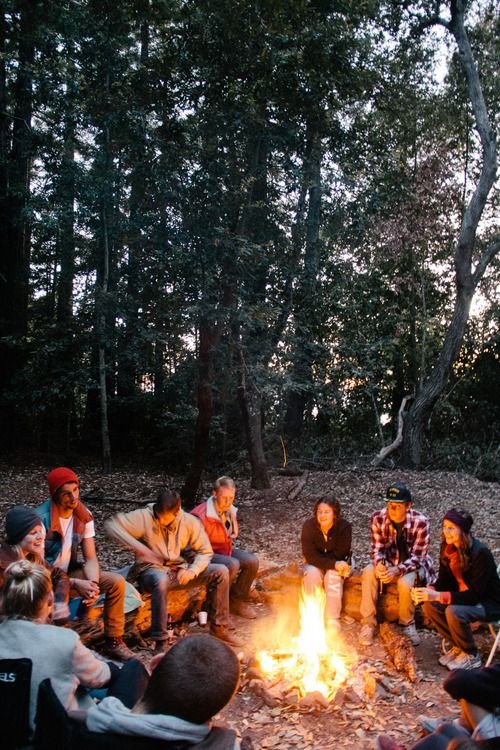
The image of camping often revolves around solitude and self-reliance—a single tent against a vast wilderness. But for a growing number of adventurers, the true magic of the outdoors is amplified by connection, community, and shared experience. This is the heart of friendly camping travel. It’s an approach that goes beyond simply setting up a tent in a beautiful place; it’s about cultivating an atmosphere of warmth, respect, and openness that enhances the journey for you, your group, and everyone you encounter. Whether you’re camping with family, a circle of friends, or hoping to meet like-minded souls along the trail, embracing the principles of friendly camping travel transforms a simple trip into a welcoming adventure for all.
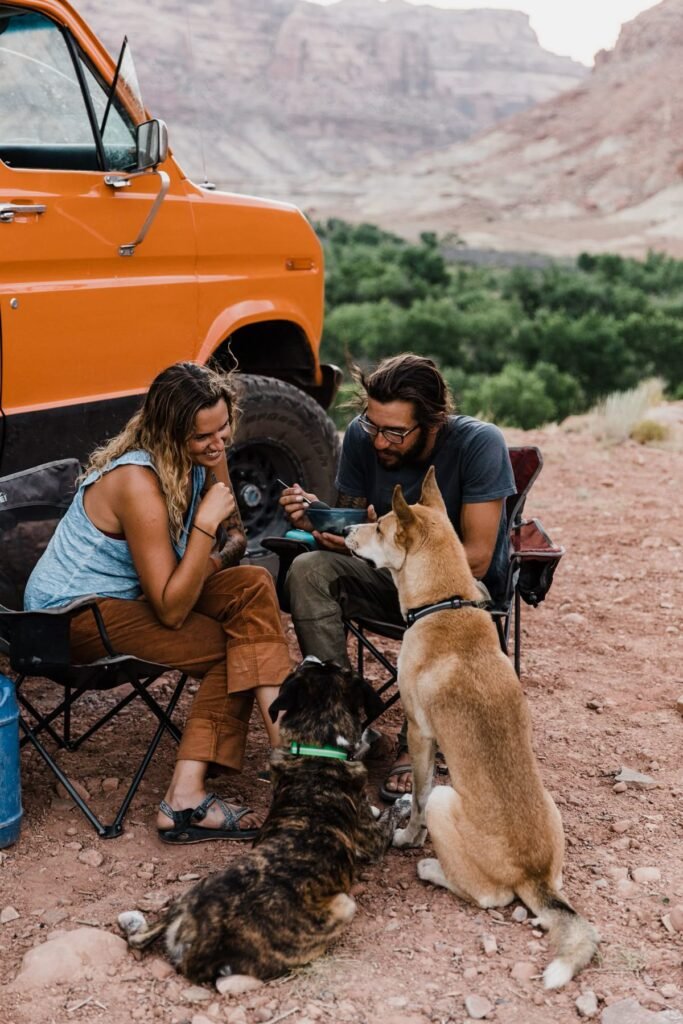
The Philosophy of Friendly Camping Travel
At its core, friendly camping travel is a mindset. It’s the intentional practice of being a considerate and positive participant in the shared space of the outdoors. This philosophy rests on two pillars: internal camaraderie within your own group and external courtesy toward the broader camping community and environment.
For your group, it means prioritizing collective enjoyment over individual agendas. It’s about ensuring decisions—from the choice of hike to the division of camp chores—are made with inclusivity in mind. For the community, it translates to the unwritten rules of campground etiquette, a conscious effort to minimize your impact on nature, and an openness to brief, positive interactions with neighbors. This dual focus creates a ripple effect; a campsite governed by friendliness and respect invariably becomes a more pleasant place for everyone nearby, fostering a shared sense of goodwill that defines the ideal friendly camping travel experience.
Cultivating Friendship Within Your Camping Group
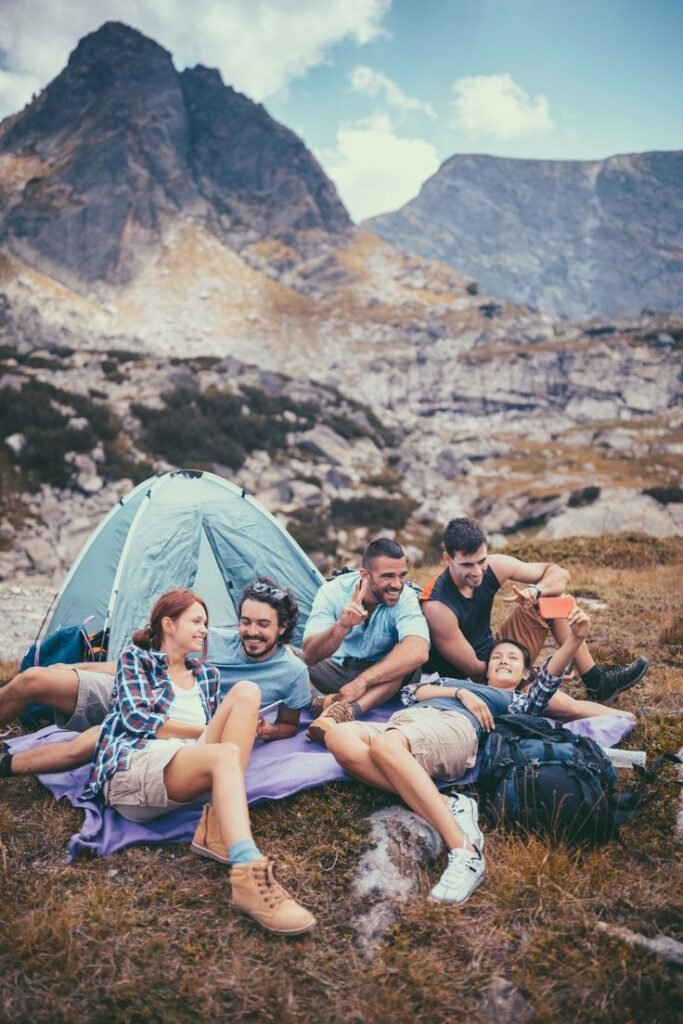
The success of any friendly camping travel adventure begins with the dynamic of your own team. A trip can be derailed by poor planning, conflicting expectations, or unresolved tensions. Here’s how to build a solid, friendly foundation:
- Plan Collaboratively, Not Autocratically: Use the planning stage to build excitement and ensure buy-in. Create a shared packing list online where everyone can add items. Discuss meal preferences and assign cooking teams. When choosing activities, poll the group for interests and fitness levels. A group that helps build the itinerary feels ownership over the adventure.
- Embrace the “Challenge by Choice” Model: On the trail or at the campsite, encourage but never pressure. The goal is shared enjoyment, not endurance suffering. A truly friendly camping travel group supports the decision of a member to turn back early from a hike, enjoy a quiet afternoon with a book, or skip the late-night swim. This respect for individual comfort zones strengthens trust.
- Establish Clear, Fair Camp Roles: Avoid resentment by clarifying responsibilities from the start. Rotate undesirable tasks like washing dishes or packing the communal car. Make a game of setting up the tent or gathering firewood. When everyone contributes, no one feels burdened, and the collective effort becomes a point of pride.
- Designate Digital Downtime: Friendly camping travel thrives on real-world interaction. Agree on tech guidelines—perhaps phones are only for photos or emergencies during the day, and evening is for campfire conversation. This deliberate unplugging is often the single biggest factor in deepening group connection.
Extending Friendliness to the Camping Community
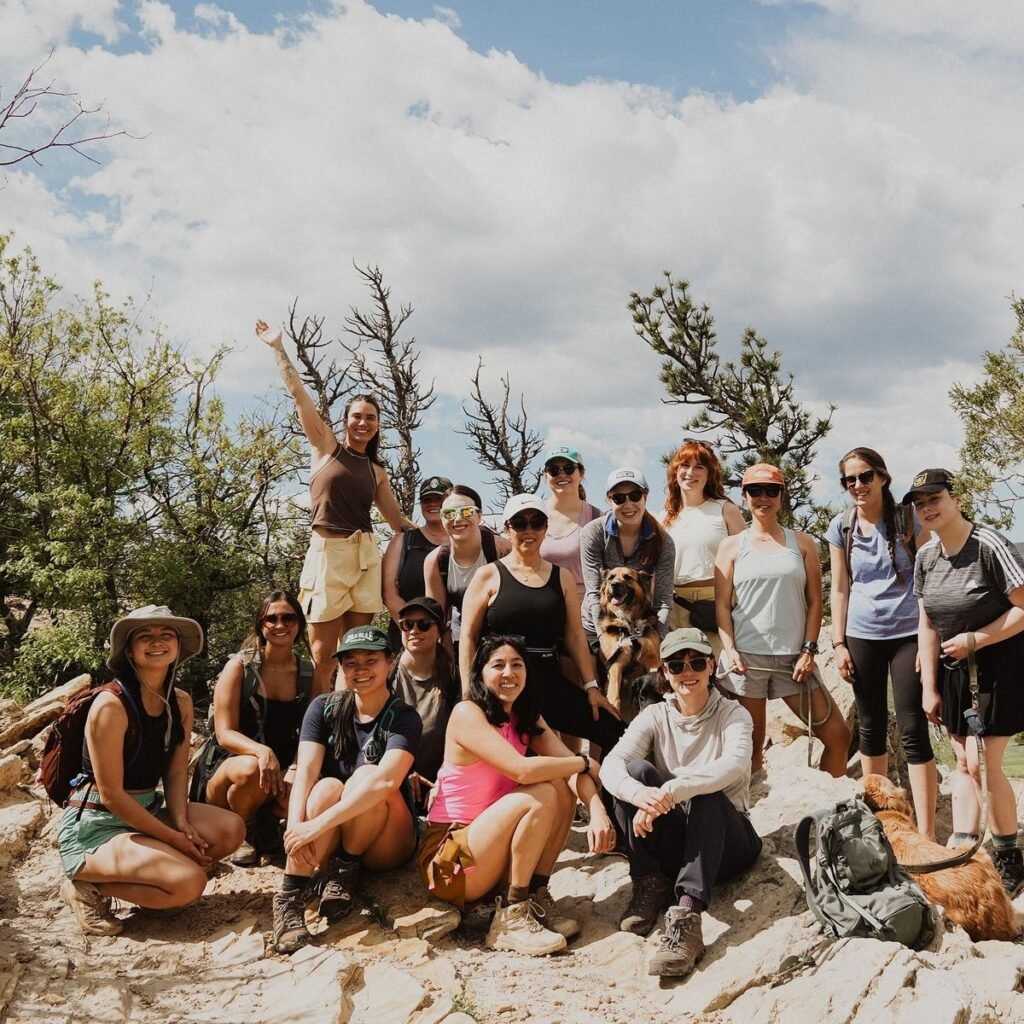
Your campsite is not an island. You are part of a temporary neighborhood. Practicing good campground etiquette is the most direct application of friendly camping travel principles.
- Respect the Soundscape: This is the golden rule. Keep voices at a reasonable level, especially after sunset. If you enjoy music, use headphones or keep volume very low and turn it off completely by the campground’s quiet hours (typically 10 p.m.). The sounds of nature are what many are there to enjoy.
- Master the Art of the Friendly, Brief Greeting: A smile and a nod to your neighbors is appropriate. Be open to offering a hand if you see someone struggling to back in a trailer or set up a new tent. However, be perceptive—not everyone is seeking social interaction. Read social cues and respect others’ solitude.
- Control Your Light and Space: Point bright lanterns and car headlights downward and into your own site. Keep your gear and vehicles within your designated area. Ensure your dog, if allowed, is on a leash, quiet, and cleaned up after. Friendliness means ensuring your presence doesn’t encroach on others’ enjoyment.
- Share (a Little) and Be Helpful: Carrying a spare tent peg or some extra fire starter? Offering it to a flustered neighbor can be a huge gesture. If you have a great fishing spot or trail recommendation, sharing it can make someone’s day. These small acts build community.
Being a Friend to the Environment
True friendly camping travel extends its courtesy to the land itself. Sustainable practices ensure the wilderness remains welcoming for future visitors and the creatures that call it home.
- Follow Leave No Trace (LNT) Religiously: This is the bedrock of environmental friendliness.
- Plan Ahead and Prepare: Know regulations, pack for waste, and avoid overcrowded areas.
- Travel and Camp on Durable Surfaces: Use established trails and campsites.
- Dispose of Waste Properly: “Pack it in, pack it out.” This includes all trash, leftover food, and hygiene products. Use established bathroom facilities or learn proper cathole techniques for human waste.
- Leave What You Find: Preserve the past and the natural scene. Rocks, plants, and historical artifacts should remain for others to discover.
- Minimize Campfire Impact: Use a camp stove for cooking. Where fires are permitted, use established fire rings, keep fires small, and burn only small sticks from the ground. Drown the fire until it’s cold to the touch.
- Respect Wildlife: Observe from a distance. Never feed animals, as it alters their natural behaviors and is dangerous.
- Be Considerate of Other Visitors: Let nature’s sounds prevail.
- Leave Your Site Better Than You Found It: This is the friendly camping travel mantra. Spend 10 minutes doing a “sweep” of your site, picking up any micro-trash (even if it’s not yours). A clean site is a welcoming gift to the next camper and the ecosystem.
Choosing Destinations for a Friendly Vibe
Some destinations naturally foster a more communal, friendly atmosphere. Look for:
- Campgrounds with Shared Amenities: Those with a communal picnic shelter, a camp store, or scheduled group activities (like morning coffee or star-gazing talks) often attract sociable campers.
- Volunteer Campground Hosts: The presence of a host often indicates a well-managed, community-oriented campground.
- “Walk-In” or “Hike-In” Sites: While offering more privacy, these smaller, clustered sites often create a more intimate, neighborly feel than sprawling RV lots.
Ultimately, friendly camping travel is about recognizing that we are all temporary guests in a shared, magnificent space. It’s the choice to be the camper who improves the environment—social and natural—simply by being there. By traveling with consideration, planning for group harmony, and treading lightly on the land, you do more than guarantee a great trip for yourself. You contribute to a culture of outdoor hospitality, ensuring that the wonders of camping remain accessible, enjoyable, and profoundly welcoming for every adventurer who follows in your footsteps.