

Everest Camp Trek is the perfect introduction to one of the world’s most iconic trekking adventures. Located in Nepal’s Khumbu region, the Everest Camp Trek (commonly known as the Everest Base Camp Trek) takes you through stunning Himalayan landscapes, traditional Sherpa villages, ancient monasteries, and breathtaking mountain views, including Mount Everest, Lhotse, and Ama Dablam. Designed for adventure seekers with a moderate fitness level, this trek does not require technical climbing skills but does demand good preparation, steady pacing, and proper acclimatization to handle high altitudes safely.
Why Trek to Everest Base Camp?
The allure is undeniable. At 5,364 meters (17,598 feet), Everest Base Camp sits in the formidable Khumbu region of Nepal. The trek doesn’t require technical climbing skills, but it is a serious high-altitude journey. The rewards are immense: walking in the footsteps of legendary mountaineers, witnessing sunrise over Himalayan giants like Everest, Lhotse, and Ama Dablam, immersing yourself in the spiritual warmth of Buddhist monasteries, and experiencing the legendary resilience of Sherpa hospitality.
1. Choosing the Right Trekking Season
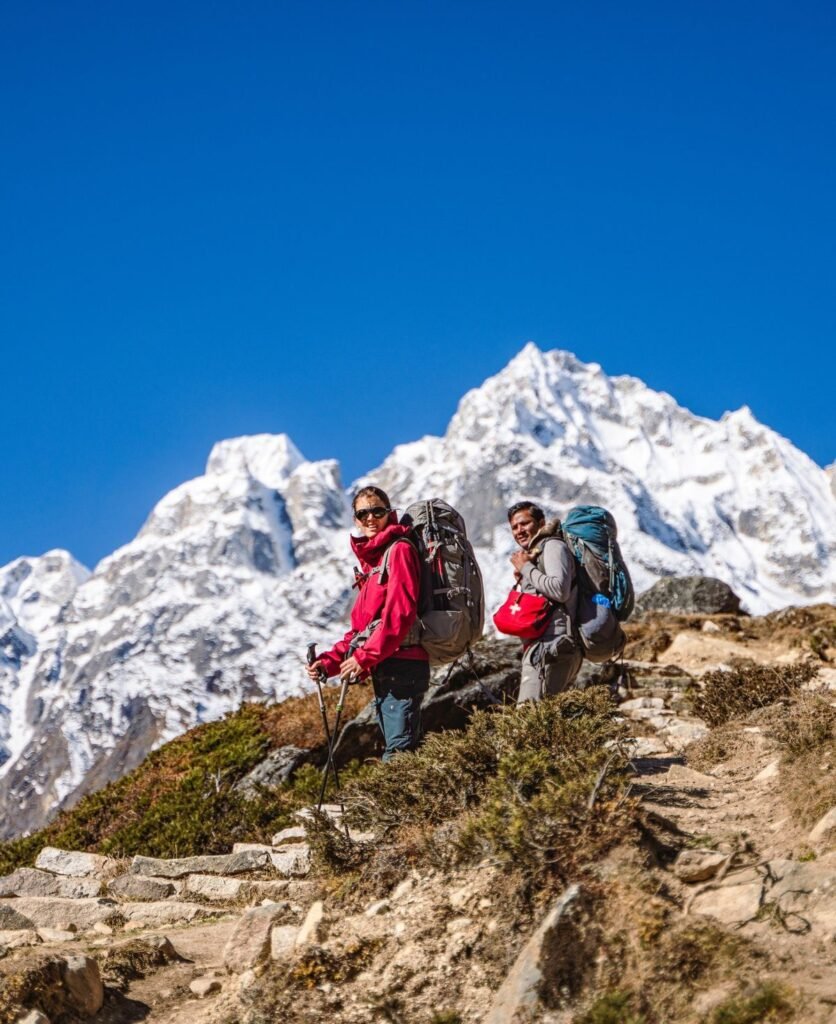
The best time to trek is during the pre-monsoon (March to May) and post-monsoon (late September to November). These trekking seasons offer stable weather, clear skies, and moderate temperatures. Spring brings blooming rhododendrons, while autumn boasts crystal-clear mountain views. Winters are cold but less crowded, while the monsoon brings rain and obscured views.
Required Permits and Regulations

You cannot trek independently without trekking permits. Two are mandatory for the EBC tre
- Sagarmatha National Park Entry Permit
- Khumbu Pasang Lhamu Rural Municipality Entry Permit
- Your trekking agency or guide will typically handle these if you’re on a guided trek.
Guided Tour vs. Independent Trekking

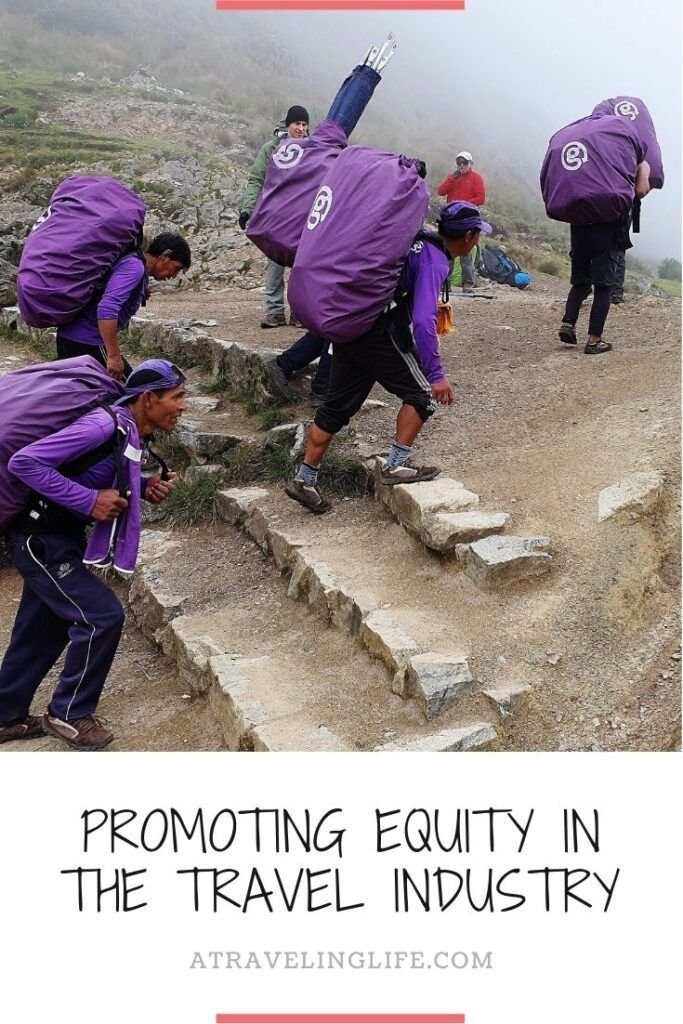
- Guided Trek (Recommended for First-Timers): A local Sherpa guide ensures safety, handles logistics, provides cultural insights, and helps with acclimatization. Porters carry the bulk of your gear. This supports the local economy and enriches your experience.
- Independent Trekking (Teahouse Trekking): Suitable only for very experienced trekkers. You are solely responsible for navigation, acclimatization, and emergency decisions.
The Classic Everest Base Camp Trek Itinerary (12-14 Days)
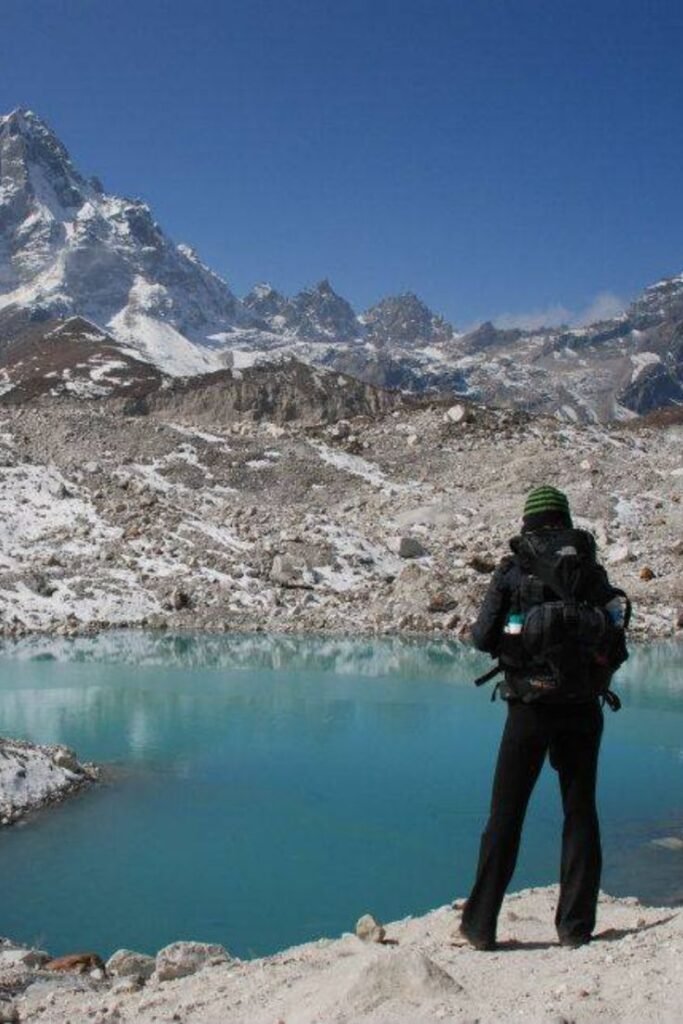
The standard EBC trek itinerary is a return journey from Lukla, with essential acclimatization days.
- Day 1: Fly to Lukla (2,860m), trek to Phakding. A thrilling flight into a dramatic airport, followed by a gentle descent.
- Day 2: Trek to Namche Bazaar (3,440m). A tougher day crossing Himalayan suspension bridges to the bustling Sherpa capital.
- Day 3: Acclimatization in Namche Bazaar. Hike to the Everest View Hotel. “Climb high, sleep low” is the golden rule.
- Day 4: Namche to Tengboche (3,870m). Visit the iconic Tengboche Monastery.
- Day 5: Tengboche to Dingboche (4,410m). Enter alpine landscapes.
- Day 6: Acclimatization in Dingboche. Hike to Nangkartshang Peak for crucial altitude adaptation.
- Day 7: Dingboche to Lobuche (4,910m). Pass the memorials at Thukla Pass.
- Day 8: Lobuche to Gorak Shep (5,164m), then to EBC. Reach the goal: Everest Base Camp. Return to sleep at Gorak Shep.
- Day 9: Hike to Kala Patthar (5,545m), descend to Pheriche. Witness the iconic sunrise view of Everest from Kala Patthar.
- Days 10-12: Return trek to Lukla.
- Day 13: Fly to Kathmandu.
Physical Fitness and Mental Preparation
Start training for Everest Base Camp at least 3 months in advance. Focus on:
- Cardiovascular Endurance: Running, cycling, swimming.
- Leg Strength and Hiking Practice: Weekend backpacking trips with elevation gain. The key is being able to hike 5-7 hours daily, consecutively.
- Mental Fortitude: Prepare for basic amenities and the psychological challenge of altitude.
Packing List for the Everest Trek
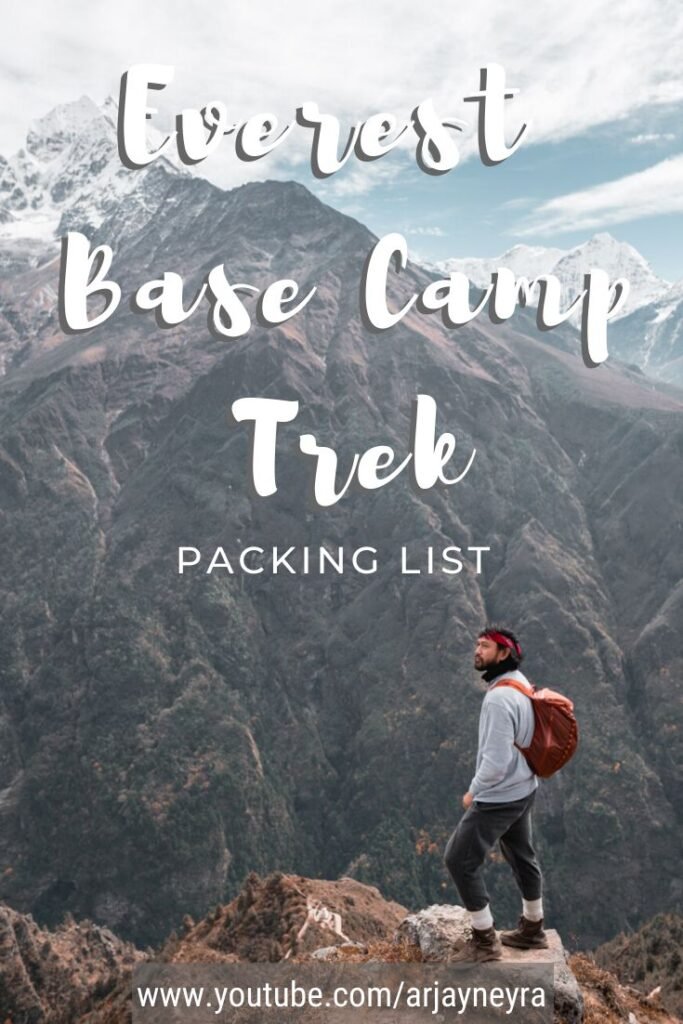
Pack for variable conditions. Rent a down jacket and sleeping bag in Kathmandu.
- Essential Trekking Gear: Well-broken-in hiking boots, trekking poles, a 40-50L duffel bag (for porters), and a 25-30L daypack.
- Clothing System: Moisture-wicking base layers, insulating fleece or wool mid-layers, a down jacket, and a waterproof shell. Thermal underwear and trekking pants.
- Health & Safety: Water purification, a first-aid kit, high-SPF sunscreen, sunglasses. Altitude sickness medication (Diamox) – consult your doctor.
Health, Safety, and Managing Altitude Sickness

This is the most critical aspect of your Everest Camp Trek.
- Acclimatization: Never rush. Follow the itinerary and the “climb high, sleep low” principle.
- Hydration & Nutrition: Drink 3-4 liters of water daily. Eat carb-rich meals like Dal Bhat.
- Altitude Sickness (AMS): Understand the symptoms: headache, nausea, dizziness. Listen to your body. If symptoms worsen, DESCEND IMMEDIATELY.
- Travel Insurance: Mandatory. Must cover emergency helicopter evacuation up to 6,000m.
Cultural Considerations and Trail Etiquette
- Respect Local Culture: Walk clockwise around stupas and mani walls. Ask permission before photographing people.
- Environmental Responsibility: Minimize plastic use. Carry out all waste. Support teahouses that use solar power.
Life on the Trail: Teahouses and Food
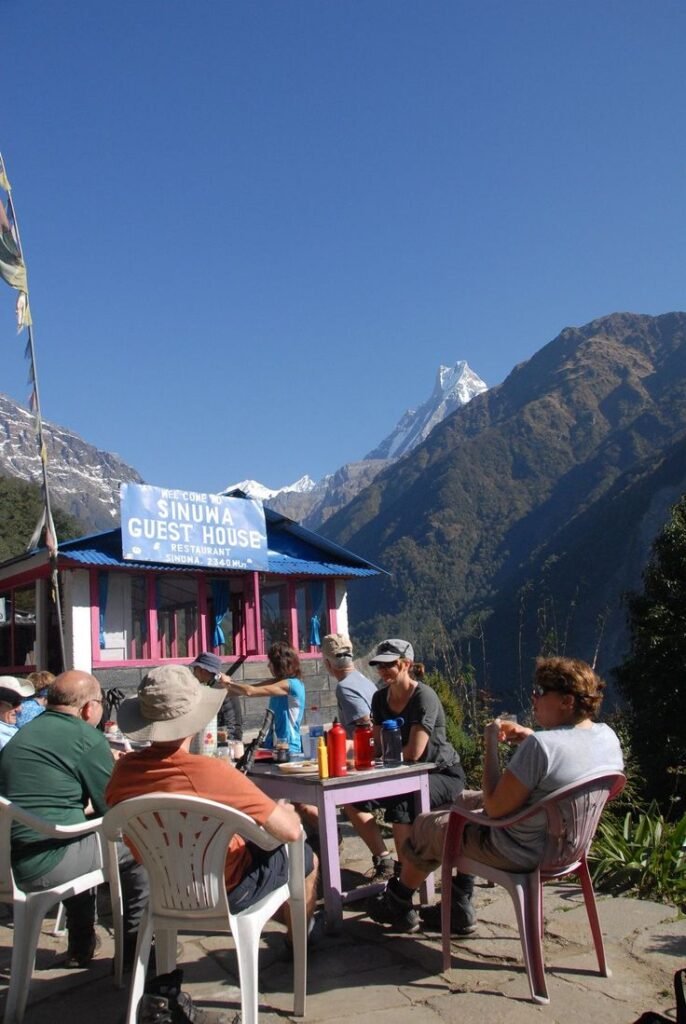
- Teahouses: Basic mountain lodges with twin-share rooms. A communal dining hall is the social hub. Wi-Fi and charging are available for a fee.
- Food on the trail: Menus feature traditional Nepali food like Dal Bhat (with unlimited refills!), as well as pizzas and pasta. Stick to cooked, vegetarian options at higher altitudes.
Beyond the Classic Trek: Additional Options
- Gokyo Lakes Trek: A less crowded, stunning route via the Gokyo Lakes and the Cho La Pass. Can be combined with EBC.
- Helicopter Return: For those short on time, consider trekking in and taking a scenic helicopter flight out.
- Lukla Flight Delays: Factor in 2-3 buffer days in Kathmandu for potential weather delays.
The Final Word for Your Adventure
The Everest Camp Trek is a physical and mental endeavor, but it is within reach for any determined, well-prepared first-time trekker. It’s a journey that strips life down to its essentials—putting one foot in front of the other, breathing deeply, and absorbing the world’s most magnificent scenery. With careful planning, respect for the altitude and culture, and an open heart, your trek to Everest Base Camp will be an unforgettable experience.