

Master the art of smart travel. This complete guide covers everything for budget-friendly holidays—from planning hacks and cheap destinations to saving on flights, accommodation, food, and experiences.
Part 1: Planning System – Budget-Friendly Holidays
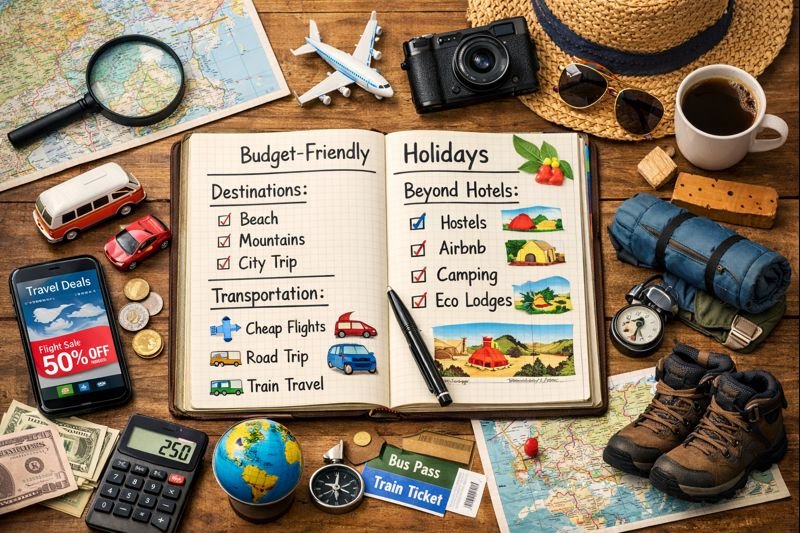
2. Chapter 1: Destination Strategy – Where & When
- The Value Index: How to evaluate destinations by cost of living, exchange rates, and seasonal pricing.
- Top Tier Lists:
- Budget Powerhouses: Vietnam, Guatemala, Albania, Georgia, Bolivia.
- European Value: Krakow (Poland), Porto (Portugal), Valencia (Spain), Belgrade (Serbia).
- Shoulder Season Gems: Specific months for Mediterranean, Caribbean, and Southeast Asian travel.
- Toolkit: How to use Skyscanner’s “Everywhere” search and Google Flights “Explore” map.
3. Chapter 2: The Transportation Trifecta – Flights, Buses, Trains
- Flight Hacking 101:
- When to Book: Ideal windows for domestic (1-3 months) vs. international (2-6 months) travel.
- The Incognito Myth Debunked: What actually works (clearing cookies vs. VPNs).
- Error Fare Alerts: How to set them up and reputable sources.
- Ground Transport Wisdom: When overnight buses/trains save a night’s accommodation, and rail pass math—when they’re worth it.
4. Chapter 3: Accommodation Beyond Hotels
- The Accommodation Ladder: From cheapest to best value.
1. Hospitality Exchange: Couchsurfing, Trustroots.
2. Volunteering: Workaway, Worldpackers (exchange work for room/board).
3. Hostels: Private rooms vs. dorms, booking direct for discounts.
4. Guesthouses & Pensions: The sweet spot for local charm and price.
5. Apartment Rentals: The cost-benefit analysis for groups/families. - Pro Tip: Location trade-off—cheaper stay slightly outside the center with great transit access.
PART II: THE ON-THE-GROUND PLAYBOOK – Stretch Every Dollar

5. Chapter 4: The Daily Spending Blueprint
- The 50/30/20 Rule (Travel Edition):
- 50% Essentials: Bed, transport, basic sustenance.
- 30% Experiences: Tours, entry fees, unique activities.
- 20% Flexibility & Splurge: That special meal or souvenir.
- Cash vs. Card Strategy: Using no-foreign-transaction-fee cards (e.g., Chase Sapphire, Revolut) for most purchases, and local cash for markets.
6. Chapter 5: Eating Well for Less
- The Local Food Code:
- Follow the Workers: Eat where locals queue for lunch (menú del día, plat du jour, Thai food courts).
- Market Mastery: Assemble picnics, sample street food.
- Accommodation Perks: Book places with free breakfast or kitchen access.
- The “One Restaurant Meal a Day” Rule.
7. Chapter 6: Experiences That Don’t Empty Your Wallet
- Free & DIY Tourism: Self-guided walking tours (GPSmyCity app), free museum days, hiking, beach days.
- Paid Experiences Worth It: Prioritize one major paid activity per destination (e.g., a cooking class, a key historical tour).
- City Tourism Cards: The spreadsheet math—calculate if they make sense for your itinerary.
8. Chapter 7: Mindset & Money-Saving Habits
Learn Basic Phrases: This builds rapport and often leads to better treatment and prices.
Travel Slow: Reducing transport costs and unlocking weekly/monthly rental discounts.
Embrace “Good Enough”: The quest for perfection is expensive.
PART III: Budget-Friendly Holidays – Bringing Everything Together
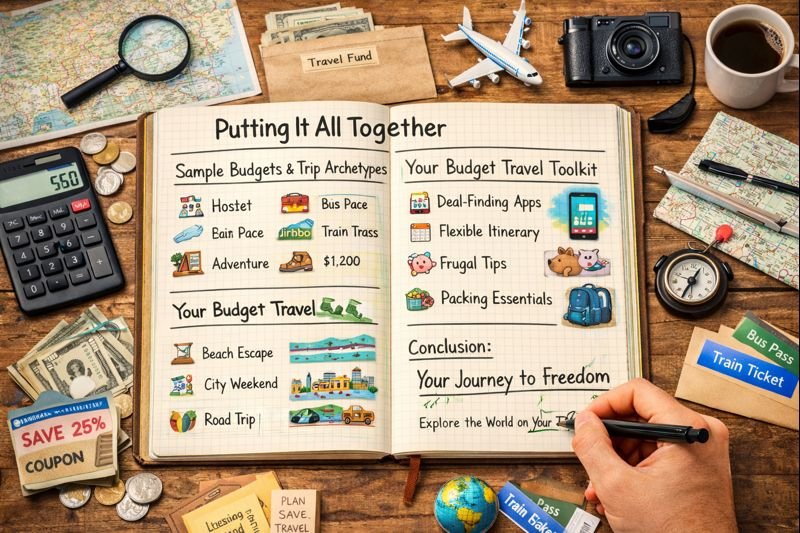
9. Chapter 8: Sample Budgets & Trip Archetypes
- The Southeast Asia Backpacker: 30 days, £800-£1200.
- The European City-Hopper: 10 days, 3 cities, £600-£900.
- The Americas Nature Adventure: 14 days, £1000-£1500.
10. Chapter 9: Your Budget Travel Toolkit
- Essential Apps: Rome2Rio (transport planning), Trail Wallet (expense tracking), XE Currency, Google Translate.
- Key Websites: Seat61.com (for train travel), Hostelworld, Booking.com (for filters).
11. Conclusion: Your Journey to Freedom Begins Now
The Ultimate Takeaway: Travel is an Investment in Yourself
Budget-friendly holidays is not about deprivation; it’s a learned skill in resourcefulness that pays lifelong dividends. Each trip you plan using these principles—strategic timing, value-based spending, and local immersion—does more than create memories. It builds your confidence, sharpens your planning abilities, and fundamentally expands your perception of what’s possible. This competency compounds: the money you save on one journey directly funds the next, transforming travel from a rare luxury into a sustainable part of your lifestyle. The freedom you gain isn’t just geographical; it’s financial and psychological.
Your Clear Next Steps: From Reading to Doing
Knowledge without action remains a dream. To convert this guide into your reality, follow this simple launch sequence:
- Immediate Action (This Week): Choose ONE foundational tactic from this guide and implement it.
- For Planners: Set a concrete flight alert for a flexible date range on Skyscanner or Google Flights.
- For Dreamers: Spend 30 minutes researching one “value index” destination from Chapter 1 that genuinely excites you.
- For Pragmatists: Download a budget-tracking app like Trail Wallet or create a simple savings spreadsheet dedicated solely to your “Next Adventure Fund.”
- Short-Term Habit (This Month): Cultivate the budget-friendly holidays mindset. Follow one insightful travel blog or social account focused on value. Scroll through accommodation options in your target area just to understand the price landscape. Small, consistent engagements keep the momentum alive.
- Long-Term Transformation: View every future trip through the dual lens of cost and experience. Ask not just “What does it cost?” but “What value does it provide?” This shift is the core of intelligent travel.
Call to Action: Join the Community of Savvy Travelers
Your journey is unique, but your insights can inspire others. We’ve shared the framework; now we want to learn from you.
What is the single most effective budget-friendly holidays hack that has unlocked a trip for you? Was it a specific tool, a mindset shift, or a destination secret?
Share your #1 tip in the comments below. Let’s build a collective resource and prove that the world is more accessible than it seems. Your next chapter—and your next adventure—starts today.