
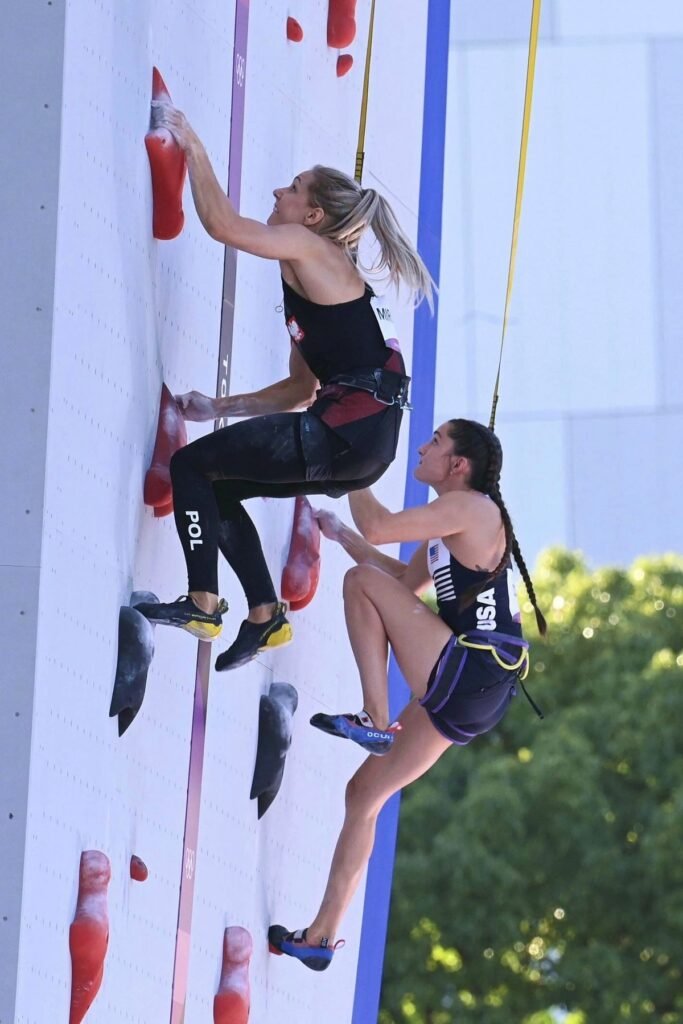
The Sports Climbing Combined Olympics debuted at Tokyo 2020, featuring speed climbing, bouldering, and lead climbing. Athletes compete across all three disciplines, testing strength, skill, and versatility. Rankings are based on multiplied positions, rewarding well-rounded climbers. This guide highlights key techniques, training tips, and strategies to excel in this dynamic Olympic sport.
Introduction to Sports Climbing Combined Olympics
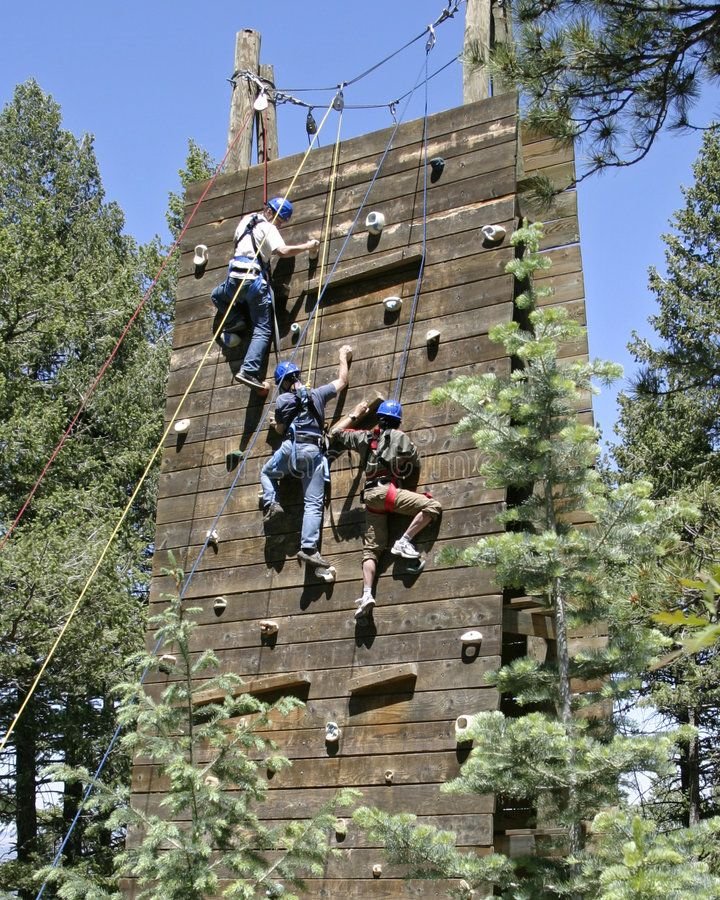
Sport climbing made its Olympic debut at the Tokyo 2020 Games, introducing the exciting combined format, which tests climbers across three disciplines: speed climbing, bouldering, and lead climbing. This format emphasizes versatility, requiring athletes to excel in explosive speed, technical problem-solving, and endurance.
In speed climbing, competitors race up a standardized 15-meter wall as quickly as possible. The fastest climber wins, making precision, strength, and quick reflexes crucial. Bouldering challenges athletes to solve short, complex climbing problems without ropes, focusing on technique, agility, and creativity. Finally, lead climbing tests endurance and strategy, as climbers attempt to scale taller walls while clipping their rope into protection points along the route.
The combined format calculates an athlete’s overall ranking by multiplying their positions in each discipline, rewarding well-rounded performance. This scoring method encourages climbers to train across all three disciplines, rather than specializing in just one.
Olympic sport climbing has driven the evolution of the sport itself, inspiring climbers to enhance their physical conditioning, refine technical skills, and develop mental resilience. Watching elite athletes compete provides valuable lessons in strategy, pacing, and adaptability.
The Sport Climbing Combined Olympics has captivated fans worldwide, offering high-intensity action and demonstrating the full spectrum of climbing talent. It highlights the sport’s combination of athleticism, skill, and strategy, making it one of the most dynamic and thrilling events in the modern Olympic Games.
Technical Tips Inspired by Sports Climbing Combined Olympics
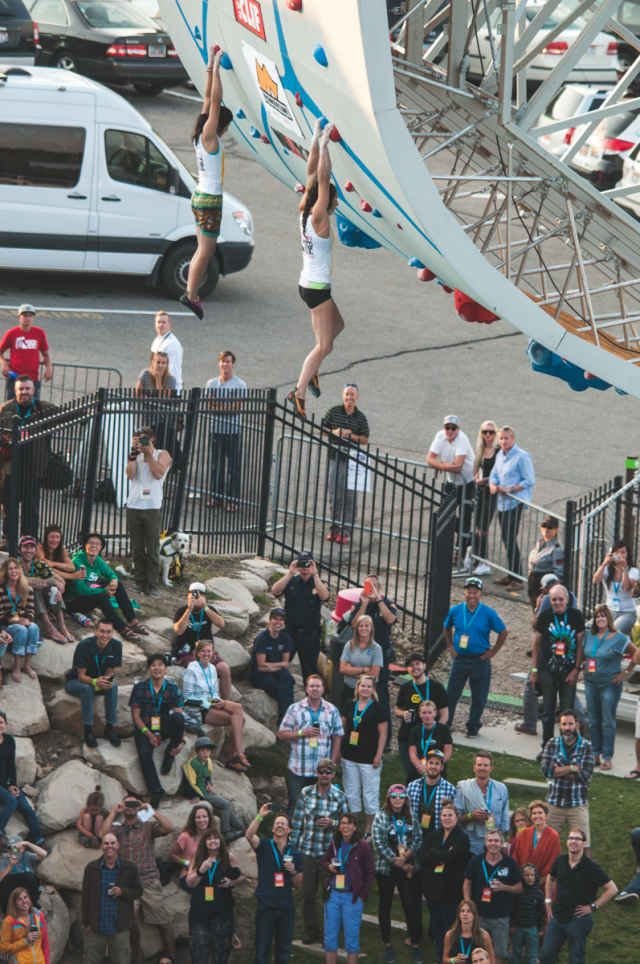
Sport climbing in the Olympics combines three disciplines—speed, bouldering, and lead climbing—requiring climbers to master a range of techniques and strategies. Observing the top athletes in the Sport Climbing Combined Olympics provides valuable insights for climbers of all levels.
One key tip is footwork precision. Olympic climbers rely on precise foot placement to conserve energy and maintain balance, especially during bouldering and lead climbs. Focusing on smooth, deliberate steps can improve efficiency and reduce fatigue.
Another crucial skill is body positioning and weight distribution. Effective use of your core and shifting weight strategically allows climbers to tackle overhangs and challenging routes without losing momentum. Watching Olympians demonstrates the importance of keeping the body close to the wall and using counterbalances to reach holds with minimal effort.
Grip and hand technique are also essential. Sport climbing combined athletes frequently switch between crimps, slopers, and pinches, adapting to each route’s demands. Practicing different grip styles enhances versatility and endurance.
Pacing and route reading are additional techniques inspired by the Olympics. Successful climbers plan moves in advance, identify rest positions, and maintain consistent speed without overexertion. Studying their sequences helps climbers anticipate challenges and execute moves efficiently.
Finally, mental focus is vital. Olympic athletes display remarkable concentration under pressure, emphasizing the importance of visualization, confidence, and composure during climbs.
By applying these technical tips inspired by Sport Climbing Combined Olympics, climbers can enhance their performance, tackle complex routes more effectively, and experience the thrill of the sport at a higher level.
Evolution of Sports Climbing Combined Olympics
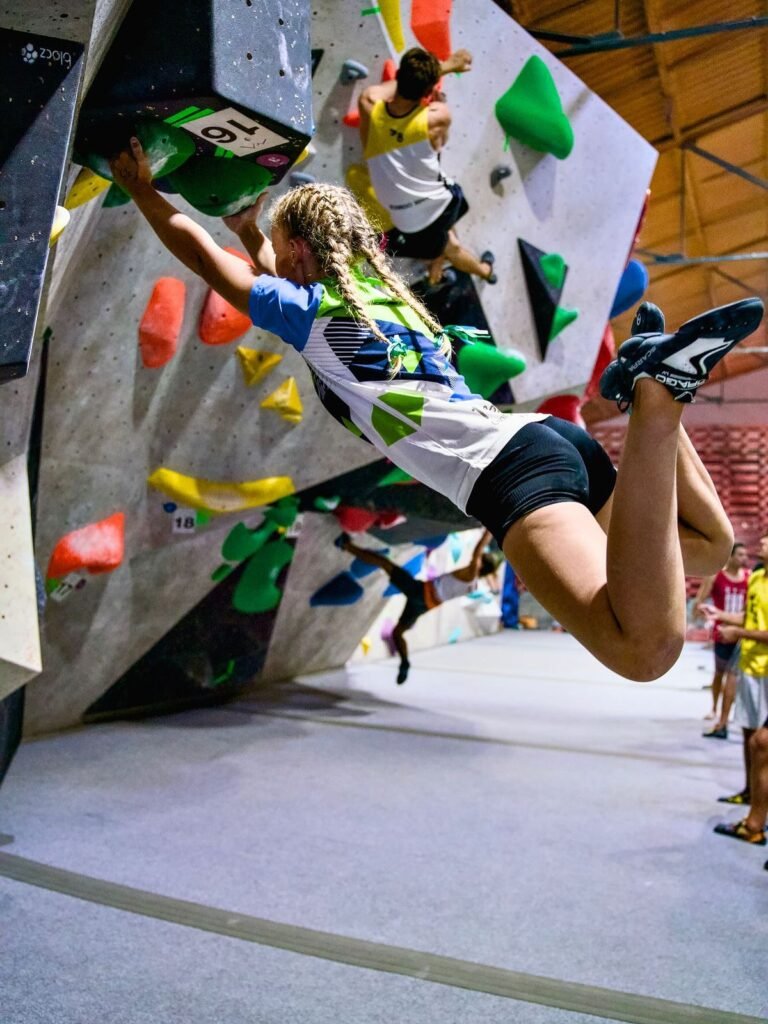
Sport climbing has rapidly evolved from a niche activity into an Olympic-level competitive sport, and the athletes competing in the combined format have reflected this growth. The combined event, introduced at the Tokyo 2020 Olympics, tests climbers across three disciplines: speed climbing, bouldering, and lead climbing. This unique format requires climbers to be versatile, blending explosive power, technical skill, and endurance.
Early sport climbing competitions focused primarily on individual disciplines, but the Olympic combined format pushed athletes to expand their abilities across all three areas. This evolution has created a new breed of climbers who train comprehensively, balancing strength, agility, and problem-solving skills. The modern Sport Climbing Combined Olympian is not only physically gifted but also mentally strategic, capable of adapting quickly to diverse routes and challenges.
Technological advancements in training methods, equipment, and route design have further shaped these athletes. Sophisticated climbing walls, performance analytics, and finger-strength tools allow climbers to refine techniques and optimize performance. Nutrition, recovery, and mental coaching also play vital roles in preparing Olympians for high-pressure competitions.
As the sport continues to gain popularity worldwide, the evolution of Sport Climbing Combined Olympians demonstrates the increasing professionalism and dedication required to succeed. From versatile training routines to strategic competition approaches, these athletes exemplify how climbing has grown into a multidimensional, elite-level sport, inspiring a new generation of climbers to reach greater heights.