
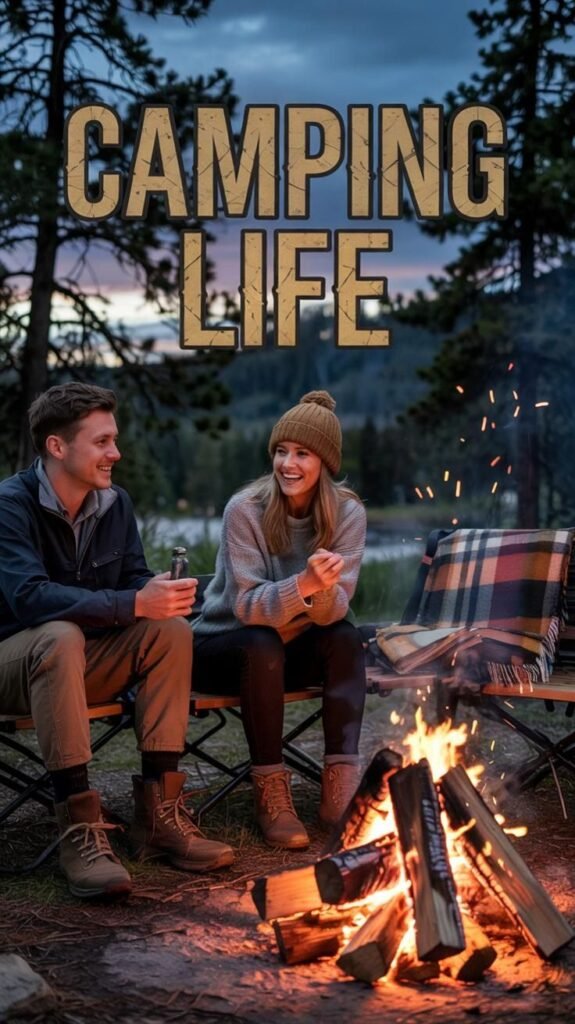
In our era of digital saturation and structured schedules, a powerful counter-current exists: the call to simplify, connect, and experience the world firsthand. At the heart of this movement lies family camping travel—a transformative practice that transcends mere vacationing to become a cherished rite of passage. This immersive form of exploration offers more than just a change of scenery; it provides a foundational experience where teamwork replaces screen time, wonder supplants routine, and shared challenges become the bedrock of lifelong stories. Family camping travel is the deliberate art of stepping away from modern comforts to discover deeper comforts in each other’s company, under the vast canopy of the natural world.
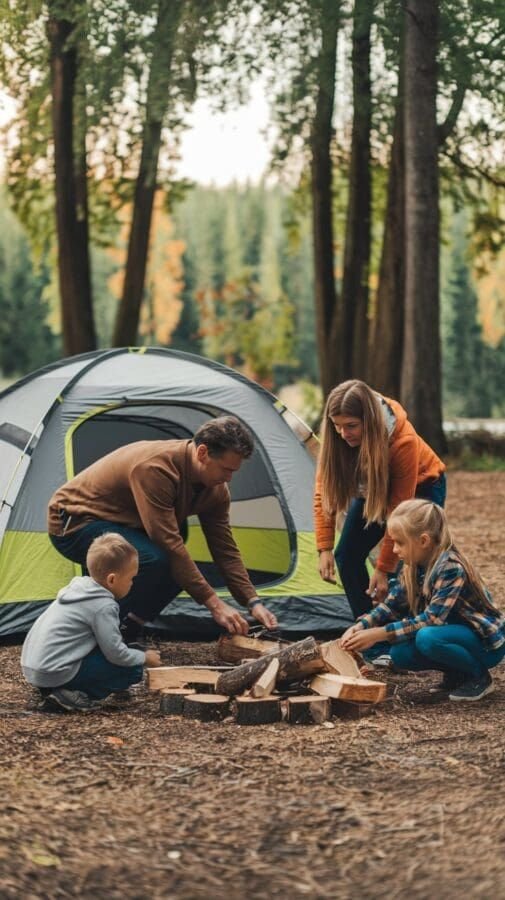
Family camping travel is active, not passive. Its power comes from what you do together, not what you buy. Success is a team effort—putting up the tent, starting the fire, cooking a simple meal. These imperfect, shared tasks build the adventure. Kids feel the pride of contributing, and parents get to see their resilience firsthand. Together, you build your own outdoor home, sparking creativity and problem-solving that everyday life often misses.
The Alchemy of Memory-Making
Camping memories are powerful because they are felt—not just seen. They become your family’s personal folklore, built from real, sensory moments: the smell of a rainstorm, the sound of the campfire, the taste of a burnt marshmallow. These vivid impressions create a lasting archive of “remember when” stories, from funny mishaps to quiet, awe-inspiring dawns.
This memory-making is active, not passive. It happens when you turn a hike into a quest for the perfect skipping stone, when you collaborate on a dam in a creek, or when you huddle together identifying constellations. Family camping travel shifts the family dynamic from manager-and-dependents to fellow explorers, leveling the playing field in the shared pursuit of adventure and comfort in the wild.
The Blueprint for Success: Planning with Purpose
Transitioning the idea of family camping travel into a smooth, enjoyable reality requires strategic planning tailored to your crew’s experience and ages. The goal is to set the stage for success, not to engineer a flawless performance.
- Start Small and Scale Up: The inaugural voyage should be a low-stakes shakedown. Choose a developed campground within a two-hour drive, ideally one with amenities like running water and flush toilets. A single weekend removes pressure and lets you test gear and routines. The memory of a positive, manageable first trip is the best catalyst for a lifetime of family camping travel.
- Cultivate Buy-In Through Involvement: From the outset, make planning a collaborative project. Present children with two or three parent-vetted destination options and let them cast the deciding vote. Task them with planning one meal, packing their own “explorer pack,” or learning about the local wildlife. This transforms them from passengers to co-pilots of the adventure, building immense anticipation.
- Gear Up for Comfort, Not Complexity: Proper gear removes unnecessary hardship, but the focus should be on reliability, not extravagance.
- Shelter: Prioritize a tent that is easy to pitch and offers a little extra space. A backyard trial run is a priceless, fun prelude.
- Sleep Systems: Invest in quality sleeping pads and temperature-appropriate bags. Warm, rested campers are happy campers.
- The Kitchen Box: A simple camp stove, a durable cooler, and a planned menu with minimal prep are keystones of camp morale.
- The Rule of Layers: Pack synthetic or wool layers for everyone. Rain jackets and sturdy shoes are non-negotiable.
- Safety & Light: A comprehensive first-aid kit, multiple headlamps, and a dedicated water supply are your safety net.
Cultivating the Experience: The Mindset is the Map
The itinerary for meaningful family camping travel is written in pencil, with wide margins for spontaneity.
Center the Campfire: This ancient hearth is your trip’s living room. Its light fosters conversation, storytelling, and comfortable silence. It’s where you cook, warm cold hands, and make s’mores. Establish it as your sacred, screen-free gathering space.
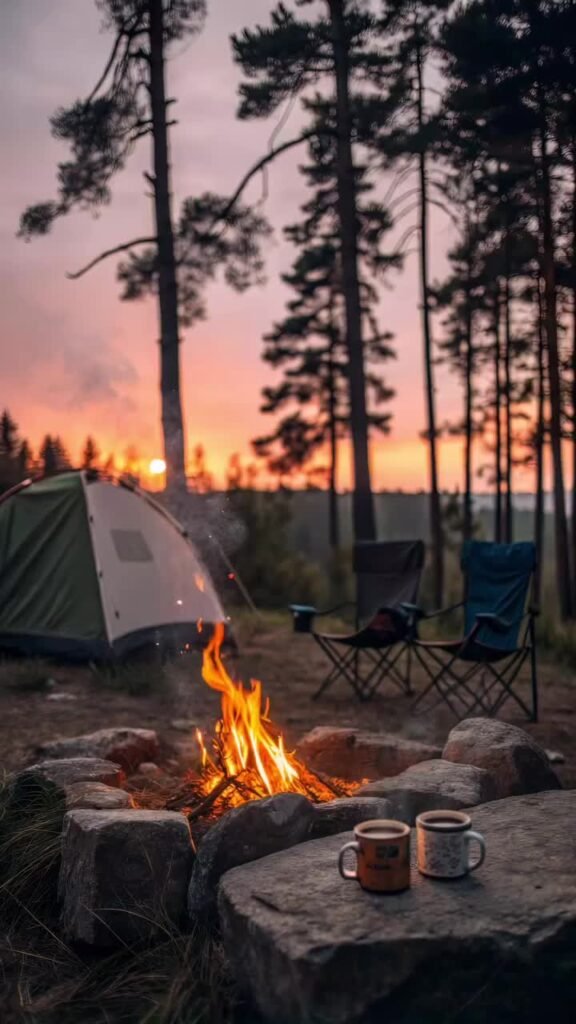
Become Naturalists: Encourage curiosity. Pack field guides, magnifying glasses, and journals. Turn a walk into a scavenger hunt for specific colors, shapes, or sounds. Attend a ranger program to learn from an expert.
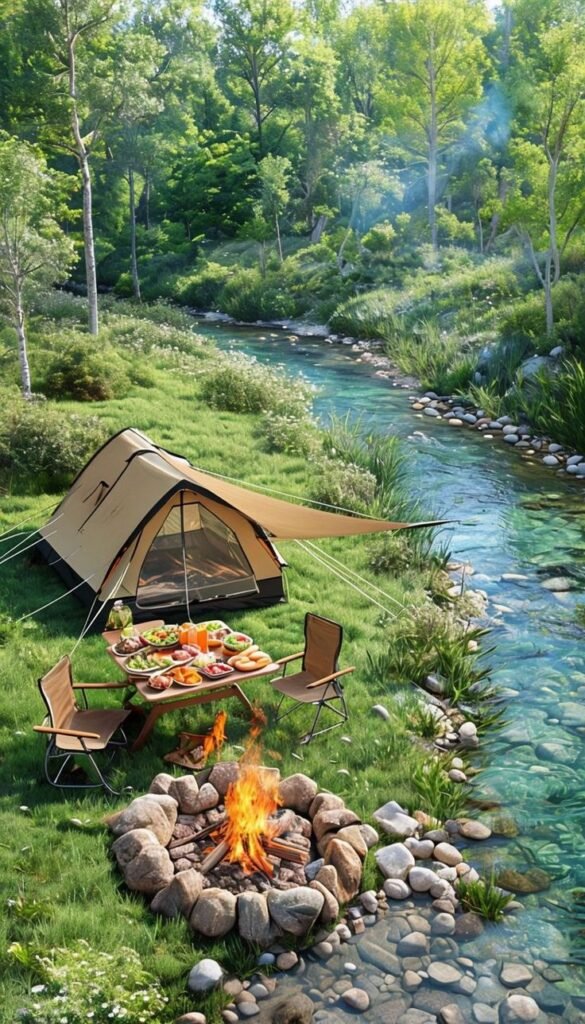
- The Digital Detox Treaty: Make a family agreement on technology use before you go. Designate devices for cameras only, or lock them in the car. The initial friction fades, making space for deeper engagement and alleviating the parental pressure to constantly manage screen time.
- Process Over Summit: When hiking, let the kids lead. Their pace is the right pace. Celebrate the moss-covered log, the anthill, the perfect walking stick. The goal isn’t the viewpoint; it’s the shared experience of the trail.
- Document with Intention: Beyond phone photos, give each child a disposable camera or a notebook to create their own trip log. This personal artifact often captures the truest essence of their family camping travel experience.
Embracing the Elements: The Stories Are in the Struggles
It will rain. There will be bugs. Someone will forget their favorite pillow. These are not trip failures; they are the raw material of your family’s narrative. Navigating a sudden downpour teaches improvisation and resilience—the memory of playing cards in the tent as rain drums the fly often outlasts the memory of sunny hikes. When parents model grace, humor, and flexibility in the face of minor disasters, children internalize a profoundly optimistic life skill: the ability to adapt and find joy in the unexpected.
The Enduring Legacy
You return with more than just dirty laundry. You bring back quiet confidence, shared jokes, and a stronger bond. These trips teach kids to cherish the outdoors and build a family identity around teamwork and adventure. Ultimately, family camping travel is an investment in what matters most: simplifying life to shelter, food, and each other. The memories don’t just come from the wild—they become part of your family’s heart.