
Embarking on a Cycling Trip is one of the most liberating and immersive ways to explore the world. The rhythmic turning of pedals, the ever-changing scenery, and the sheer self-sufficiency create unmatched memories. A prevailing myth, however, is that such an adventure requires a significant financial investment. The truth is, with strategic planning and a shift in mindset, a memorable and enriching Cycling Trip is entirely achievable on a tight budget. In fact, financial constraints often lead to more authentic experiences, fostering creativity and deeper connections with people and places. This detailed guide will walk you through every critical step, from initial concept to daily life on the road, ensuring your journey is defined by adventure, not expense.
The Foundational Mindset and Planning Phase
The success of a budget Cycling Trip is determined long before the first pedal stroke. It begins with adopting the right philosophy and making smart foundational decisions.
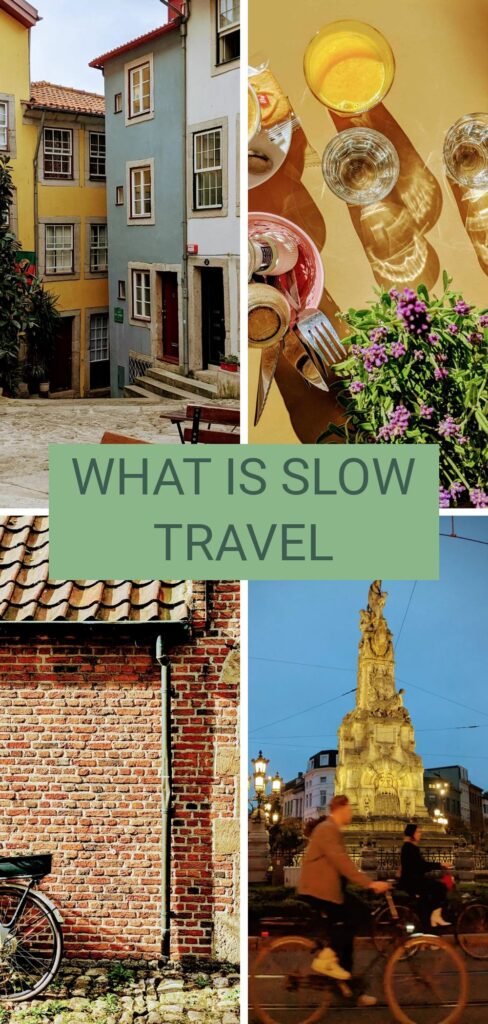
Embrace the “Slow Travel” Ethos: A budget-friendly Cycling Trip is synonymous with slow travel. This means prioritizing depth over distance. Rushing to cover 100 miles a day leads to exhaustion and high calorie consumption (increasing food costs). Instead, plan for shorter, more manageable daily distances (30-50 miles). This allows you to enjoy the journey, find cheaper or free accommodation options, and reduces wear and tear on both body and bike. Slower travel is the cornerstone of affordable touring.
Destination Intelligence: Your choice of destination is your most powerful budget lever. Opt for regions with a lower cost of living, such as Eastern Europe, Southeast Asia, or parts of Latin America. Crucially, consider starting local. A Cycling Trip through your own state or a neighboring province eliminates costly flights and vehicle shuttles. Research rail-trails, canal paths, and established cycling networks like the EuroVelo routes in Europe or the Adventure Cycling Association maps in the U.S., which often guide you through affordable areas with cycling infrastructure.

The Art of Strategic Route Planning: Use free digital tools like Komoot, Cycle.travel, or Ride with GPS to plot your course. When planning, actively look for:
- Public Lands: National forests, Bureau of Land Management (BLM) areas, and some regional parks often allow low-cost or free dispersed camping.
- Small Towns: They frequently have cheaper resupply points and sometimes offer free municipal camping for cyclists.
- Water Sources: Regularly map out public libraries (for water, rest, and free Wi-Fi), parks with taps, and community centers.
Create a Realistic, Zero-Based Budget: Start by assigning a daily spending target. A tight budget might look like this:
- Food & Water: $10-$15 (Self-catering exclusively)
- Lodging: $5 average (Achieved by wild camping 3 nights and using a $15 campground on the 4th)
- Contingency/Incidentals: $5
- Total Daily Target: $20-$25
Multiply this by the number of days, then add one-time costs: any transport to the start point, a pre-trip bike service, and critical gear purchases. This exercise makes your financial goal clear and tangible.
Sourcing and Selecting Budget-Conscious Gear
The gear industry thrives on upselling, but a successful Cycling Trip requires only reliability, not the latest technology.
The Bike: Use What You Have. The perfect budget touring bike is often the one already in your garage. A rigid mountain bike from the 90s, a sturdy hybrid, or a vintage road bike can be transformed into a capable touring machine. Avoid the temptation to buy new for the sake of it. Instead, invest in a professional “touring tune-up”: new brake pads, chain, tires suitable for your terrain, and a thorough safety check. This $150-$300 investment is far cheaper than a new $1,500 touring bike. Ensure it can handle the weight of your gear, either with a rear rack or a frame strong enough for bikepacking bags.
The Gear Philosophy: Essentialism Over Consumerism. Adopt a minimalist approach. Every item must serve a critical, multi-purpose function. Your core spending should focus on the “Big Three” shelter/sleep items, as comfort here is non-negotiable for rest and recovery.
- Shelter: A simple, sturdy tent or a waterproof bivy sack. Check used gear markets relentlessly.
- Sleep System: A sleeping bag appropriate for the season’s lowest temperatures and an insulated sleeping pad are worth sourcing carefully for weight and packability.
- Cooking: A single-pot, single-burner camp stove (like a basic canister stove) and a spork are all you need.
- Carry Systems: If you don’t have panniers, get creative. A rear rack with waterproof dry sacks strapped to it is a classic, affordable solution. Milk crates zip-tied to a rack are a legendary budget option.
The Pre-Trip Shakedown: Your Most Important Test. This non-negotiable step involves packing your bike exactly as you would for the tour and embarking on a 1-2 night overnight trip locally. This “shakedown” Cycling Trip reveals flawed gear choices, packing imbalances, and comfort issues while you’re still close to home. It’s the single best way to prevent costly and demoralizing mistakes on the road.
Mastering the Daily Economics of Life on the Road
A tight-budget Cycling Trip excels or fails based on daily habits and choices.
The Food Strategy: Grocery Store as Your Kitchen. Completely avoid restaurants and cafes for main meals. Your day revolves around grocery stores, markets, and bakeries.
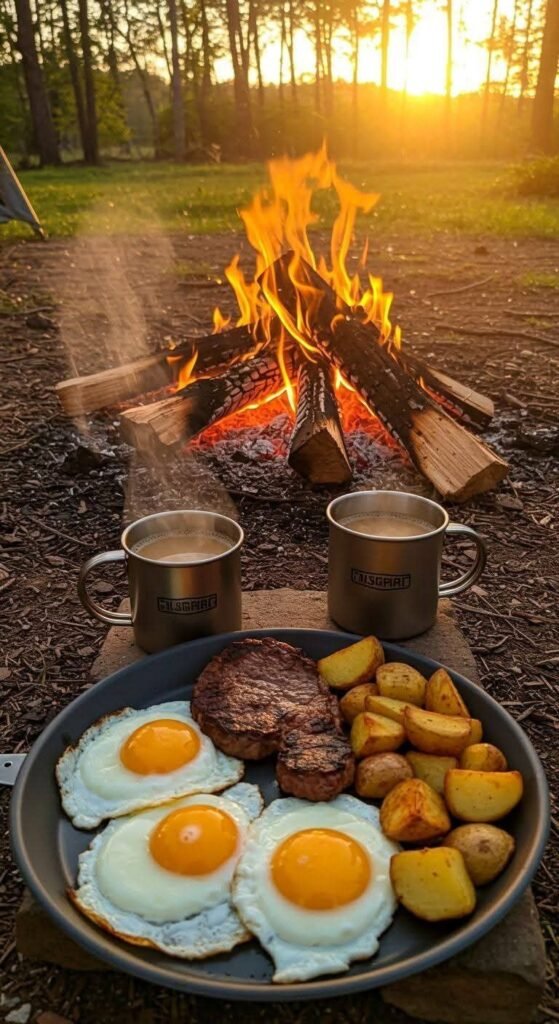
- Lunch & Snacks: Bread, cheese, local fruit, nuts, and hard-boiled eggs purchased that morning for a scenic picnic lunch.
- Dinner: Instant noodles, rice sides, dehydrated beans, or pasta with a simple sauce, cooked on your stove.
- Hydration: Carry two large water bottles and a collapsible reservoir. Refill at every safe opportunity—gas stations, cemeteries, public parks.
The Accommodation Mix: Free is Key. Develop a routine for finding shelter.
- Wild/Stealth Camping: The ultimate budget tool. Learn to identify discreet, safe, legal spots on public land. Arrive late, leave early, and leave absolutely no trace.
- Hospitality Networks: WarmShowers.org is a global community of cyclists offering free lodging to touring cyclists. It’s not just a free bed; it’s a cultural exchange.
- Strategic Paid Stays: Every few days, aim for an official campground ($10-$20) for a guaranteed shower, laundry facility, and a mental reset. This mix keeps costs near zero while maintaining hygiene and morale.
Embrace Community and Resourcefulness. A budget Cycling Trip naturally connects you with people. Talk to locals for advice and tips. Visit public libraries for free internet, weather checks, and a quiet place to plan. Small-town community centers sometimes have free amenities for travelers. This resourcefulness becomes a rewarding part of the adventure itself.
Conclusion: The Priceless Yield of a Budget Cycling Trip
A budget cycling trip is a lesson in resourcefulness, proving that adventure is a mindset, not a purchase. Financial limits push you to connect deeply, solve problems, and savor simple joys—like a shared meal with a host or a solitary sunset at a wild campsite. These experiences are priceless. This guide helps you craft a rich journey that costs little. The road is calling. Your affordable adventure starts with one pedal stroke.