
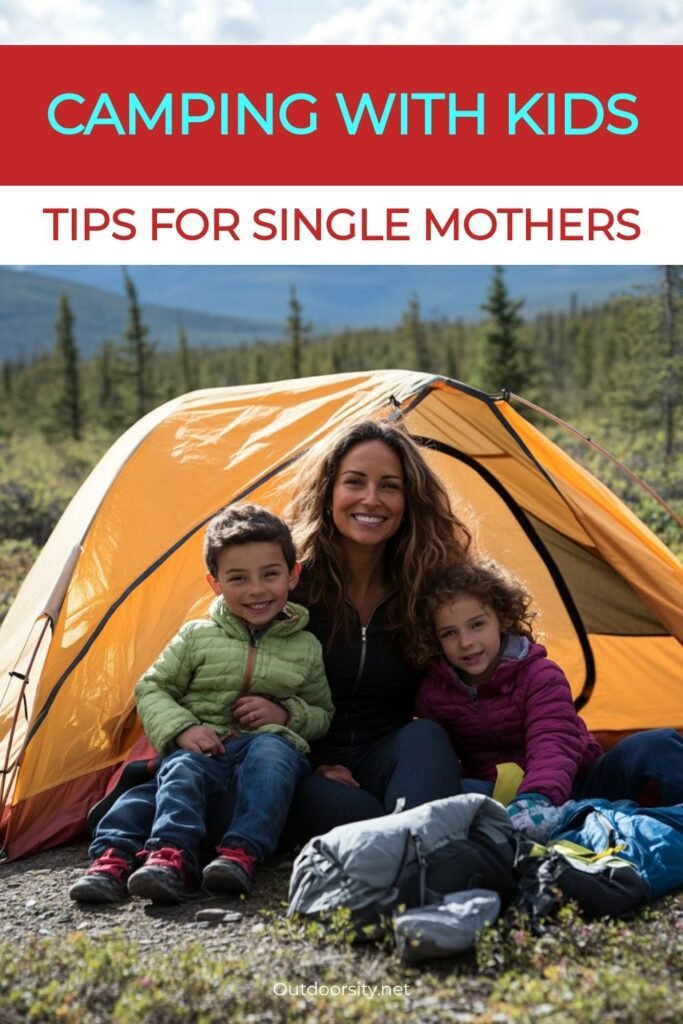
Packing for a family camping trip can feel stressful, especially when kids are involved. Instead of packing everything, the key is choosing the right gear with purpose. The right camping gear helps keep kids safe, comfortable, and confident, while ensuring they rest well and enjoy the adventure. This guide focuses only on the essential camping gear kids truly need—prioritizing safety, comfort, and fun—so you can relax and create happy, lasting family memories outdoors
The Family Camping Gear Philosophy: Safety, Simplicity, Sleep
Before diving into specific items, adopt this mindset: your family’s camping gear should solve potential problems before they happen. The goal is to minimize stress and maximize enjoyment for both parents and children.
- Safety as the First Priority: Kids explore. Your camping gear choices must create a safe perimeter. This means reliable shelter, proper lighting, first-aid readiness, and visibility.
- The Sleep Equation is Everything: A well-rested child is a happy camper. A cold, sleepless kid can end a trip early. Investing in the right sleep-specific camping gear is non-negotiable and has the highest return on enjoyment.
- Embrace the “Kid-Scale” Concept: Adult-sized camping gear can be intimidating and impractical for children. Where possible, provide them with their own appropriately sized items—a small backpack, a kid-sized sleeping bag, a personal headlamp. This fosters ownership and excitement.
- Comfort Fuels Adventure: A comfortable child is more resilient and eager to explore. This means managing moisture, temperature, and little irritants like ill-fitting shoes or scratchy clothing.
Core System 1: Shelter & Sleep Gear (The Foundation)
This is where you should invest your primary focus and budget. If your family sleeps well, you’ve won 80% of the battle.
- The Family Tent: Your Basecamp Castle
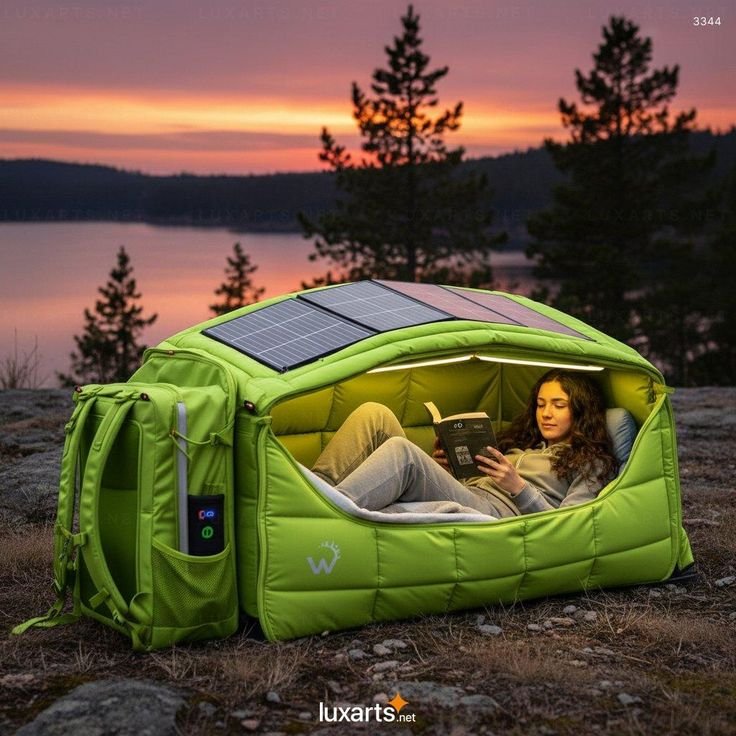
Your tent is your family’s wilderness living room and fortress. The key specification here is capacity.- The Golden Rule: If a tent says it’s a “4-person” tent, it fits 4 adults lying shoulder-to-shoulder with no camping gear. For a family, you need space for people plus their stuff. Always add 2-3 extra “person” ratings. A family of four should look at a 6-person tent. This provides crucial space for changing clothes, storing bags inside during bad weather, and preventing middle-of-the-night elbow jabs.
- Features That Matter: Look for a full-coverage rainfly (not a “rain roof”) for true weather protection, multiple doors to avoid climbing over each other, and a large vestibule where you can stash dirty shoes and wet jackets outside the sleeping area.
- Sleep Systems: Building a Cozy Nest
Kids lose body heat faster than adults. Do not just give them your old, bulky bag.- Kids’ Sleeping Bags: Purchase a bag specifically rated for children. Look for a temperature rating appropriate for the season (a 30°F/0°C bag is a good three-season start) and a child-friendly shape (some have extra width for wiggling). Synthetic insulation is often the best kids’ camping gear choice as it retains warmth even if damp from spilled water or condensation.
- Sleeping Pads are Non-Negotiable: The ground is cold. A pad provides both cushioning and critical insulation. For young children, a closed-cell foam pad is virtually indestructible, provides a good R-value (warmth), and can be used for playing on during the day. Older kids can graduate to a self-inflating or inflatable pad designed for youth.
- The Comfort Touch: Bring each child’s pillow from home or a dedicated camp pillow. The familiar smell and feel work wonders. A favorite small blanket or “lovey” is also essential camping gear for emotional security.
Core System 2: Clothing & Personal Gear (Staying Dry & Happy)
The wrong clothing is the fastest path to misery. The mantra is “Cotton Kills”—it absorbs moisture, takes forever to dry, and saps body heat.
- The Layering System, Miniature Edition:
- Base Layers: Pack moisture-wicking tops and bottoms (synthetic or merino wool). Avoid cotton underwear and socks.
- Insulating Layers: A warm, packable fleece or puffy jacket for cool mornings and evenings.
- Rain Gear: A durable, hooded rain jacket and rain pants are mandatory kids’ camping gear. Playing in the rain can be a highlight if they stay dry. Bright colors are a safety bonus for visibility.
- Footwear: One pair of sturdy, broken-in hiking shoes or boots and one pair of closed-toe camp shoes (like Crocs or sandals with heel straps) for around camp and bathroom runs.
- Personal Kid-Centric Gear:
- Their Own Headlamp: A child-friendly headlamp (with simple buttons and maybe a red-light mode to preserve night vision) is a game-changer. It gives them independence, makes night-time fun, and is critical safety camping gear. Let them decorate it with stickers.
- Their Own Daypack: A small, comfortable backpack lets them carry their own water, snack, and treasures (rocks, pinecones). It empowers them as fellow adventurers.
Core System 3: Health, Safety & Kitchen Gear
This is your support system, ensuring days run smoothly and minor issues don’t become major problems.
- The Expanded First-Aid Kit: Augment a standard kit with child-specific items: kid-formula pain reliever/fever reducer, allergy medicine, plenty of bandages in fun shapes, electrolyte packets, after-bite cream, and any personal medications. This is the most important safety camping gear you will pack.
- Hydration Made Easy: Kids often forget to drink. Give them their own durable, easy-open water bottle or a hydration bladder in their pack. Flavoring water with a tiny bit of juice or electrolyte mix can encourage drinking.
- The Family Kitchen Box:
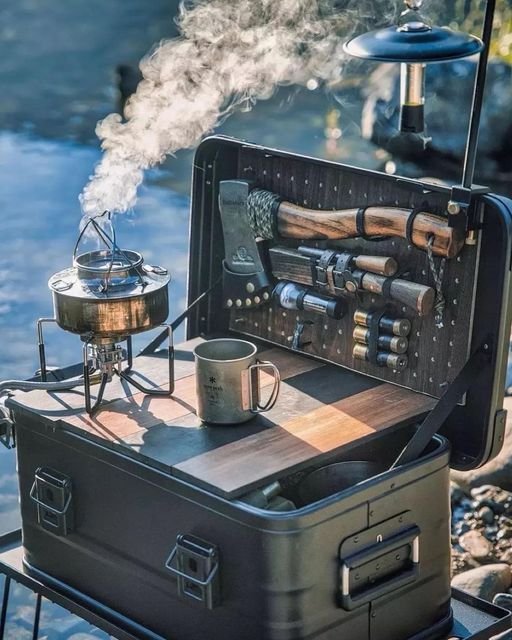
- Simplify Meals: Choose camping gear and meals that are foolproof and fast. A reliable two-burner stove, a large pot for boiling water (for pasta, hot cocoa), and plenty of prep space are key.
- Kid-Friendly Chow: Pack plenty of familiar, high-energy snacks (trail mix, granola bars, fruit leather). Involve them in simple cooking tasks like roasting hot dogs or assembling their own foil packet meal.
- Clean-Up Station: Biodegradable soap, a collapsible wash basin, a quick-dry towel, and hand sanitizer at the table are essential hygiene camping gear.
The Fun Factor & Miscellaneous Must-Haves
This camping gear category is about engagement and managing the environment.
- The “Explorer” Kit: A small bag with a magnifying glass, a nature guidebook, a journal and crayons, binoculars, and a small container for treasures. This directs curiosity and provides unstructured entertainment.
- Comfort & Containment: A compact camp chair sized for kids makes them feel like part of the circle. A playpen or travel cot can be vital camping gear for keeping toddlers safe and contained at the campsite for short periods.
- Lighting the Night: In addition to headlamps, bring string lights or a lantern for ambient campsite light. It creates a magical atmosphere and defines your space safely after dark.
The Packing Mindset: You Are the Most Important Gear
Finally, remember that the most crucial element isn’t for your backpack: it’s your attitude. Pack patience, flexibility, and a sense of wonder. Test new camping gear at home first. Let kids help pack their own bags. Keep the first trip short and close to home.
By focusing on this curated list of essential camping gear for kids, you build a foundation of comfort and security. You replace anxiety with preparedness, allowing your family to focus on what truly matters: the shared joy of discovering a slug on the trail, the collective awe at a sky full of stars, and the pride in building a home together in the great outdoors. The right gear doesn’t just make camping possible with kids—it makes it phenomenal.