
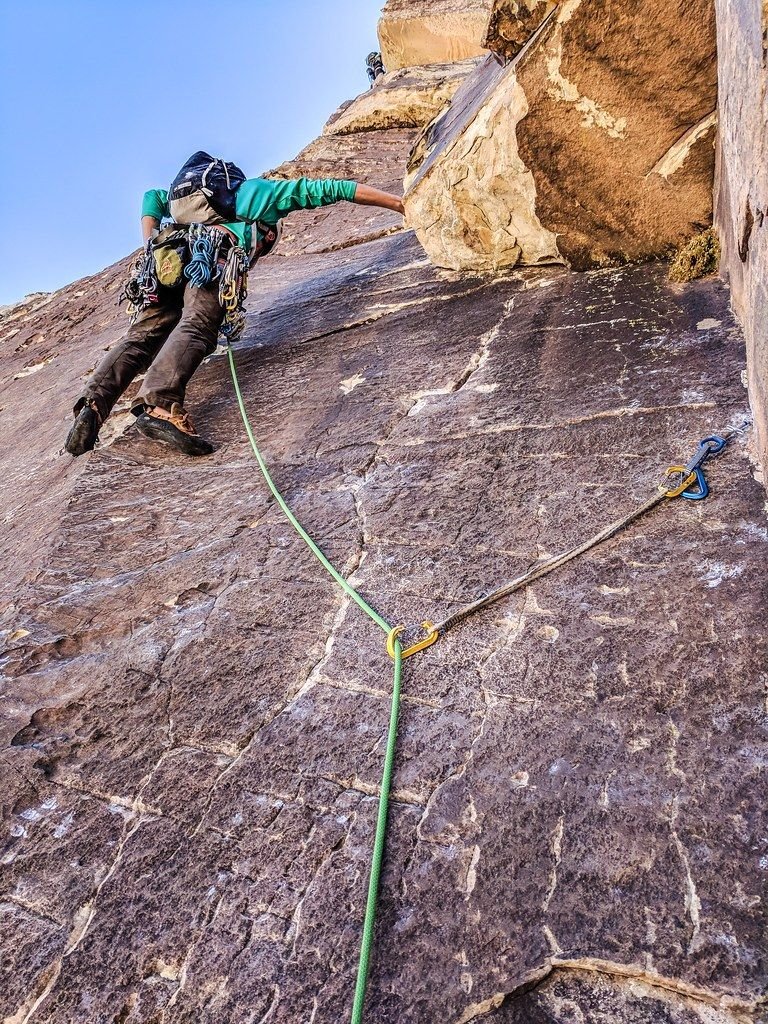
Red rock climbing offers thrilling challenges with excellent grip on textured sandstone. It boosts strength, balance, and focus while immersing climbers in stunning natural scenery. Perfect for all skill levels, it combines adventure, fitness, and the beauty of nature in one unforgettable experience.
A Beginner’s Guide to Red Rock Climbing
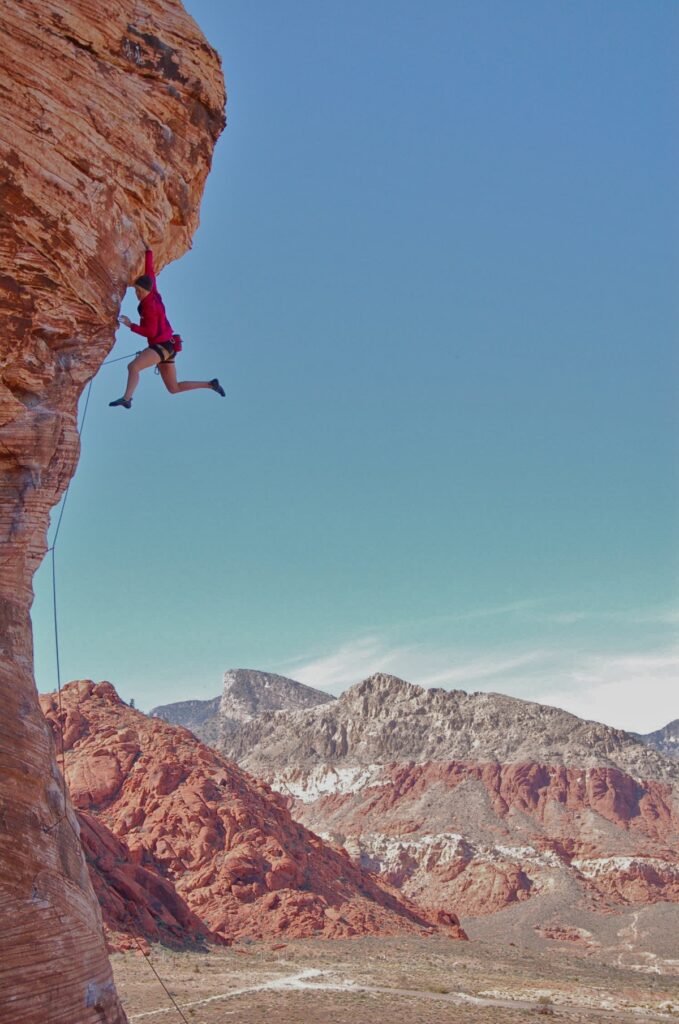
Red rock climbing is an exciting and rewarding activity that combines physical strength, mental focus, and a deep connection with nature. Known for its striking red sandstone formations and unique textures, red rock climbing is popular with both indoor climbers and outdoor enthusiasts. For beginners, understanding the basics is essential to building confidence and staying safe while enjoying the experience.
One of the first things beginners should focus on is learning proper climbing technique. Red rock surfaces often rely more on balance and precise footwork than pure upper-body strength. Using your legs to push upward and keeping your hips close to the wall helps conserve energy and improves stability. Smooth, controlled movements are especially important on sandstone, which can be fragile and require careful handling.
Safety is a critical part of red rock climbing. Beginners should always use appropriate gear, including well-fitted climbing shoes, a harness, and a helmet when climbing outdoors. Learning how to tie knots correctly, perform safety checks, and belay properly is essential before attempting higher routes. Climbing with experienced partners or taking a beginner course can greatly reduce the risk of accidents.
Warming up before climbing is another important habit for new climbers. Light cardio, dynamic stretching, and easy practice routes help prepare the muscles and joints for more demanding climbs. Cooling down afterward with gentle stretching can aid recovery and prevent stiffness or injury.
Mental preparation is just as important as physical readiness. Red rock climbing often involves problem-solving, route planning, and managing fear. Beginners should focus on staying calm, breathing steadily, and taking breaks when needed. Progressing slowly and setting realistic goals helps build confidence and reduces frustration.
Environmental awareness is also key when climbing on red rock formations. Sandstone can be sensitive to weather conditions, especially after rain, so beginners should avoid climbing when the rock is wet. Respecting the natural environment and following local climbing guidelines ensures that these beautiful formations remain accessible for future climbers.
In conclusion, red rock climbing is a fantastic activity for beginners who are willing to learn and practice the fundamentals. By focusing on technique, safety, mental readiness, and environmental responsibility, new climbers can develop strong skills and enjoy a safe, fulfilling climbing journey.
Essential Techniques for red rock climbing
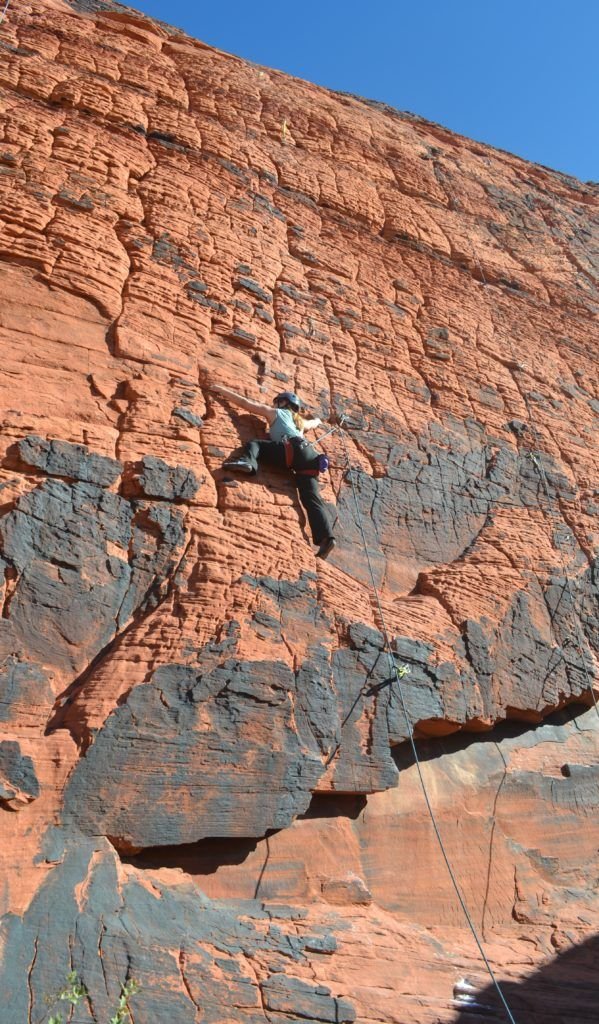
Red rock climbing requires a combination of technical skill, body awareness, and thoughtful movement. The unique texture and structure of red sandstone demand techniques that emphasize balance, precision, and efficiency rather than brute strength. For climbers looking to improve their performance and safety, mastering the essential techniques of red rock climbing is key.
One of the most important techniques is effective footwork. Red rock routes often feature small edges, sloping holds, and smears that require accurate foot placement. Climbers should focus on placing their feet quietly and deliberately, trusting the friction of the rock. Using the legs to push upward reduces arm fatigue and helps maintain control on longer climbs.
Body positioning plays a critical role in red rock climbing. Keeping the hips close to the wall improves balance and allows climbers to stay centered over their feet. Techniques such as edging, flagging, and stemming help distribute weight evenly and create stability on challenging sections. Proper body alignment also makes it easier to reach holds without overextending.
Hand techniques are equally important. Red rock formations often rely on crimps, pockets, and side pulls rather than large, obvious holds. Climbers should learn to use open-hand grips whenever possible to reduce strain on the fingers. Maintaining relaxed but secure contact with the rock helps conserve energy and prevent overuse injuries.
Breathing and movement rhythm are often overlooked but essential techniques. Controlled breathing helps climbers stay calm and focused, especially on exposed or technical routes. Moving smoothly between holds rather than making sudden, jerky movements improves efficiency and reduces the risk of slipping.
Another key technique is route reading. Before starting a climb, take time to observe the route, identify potential hand and foot placements, and plan rest positions. Visualizing movements ahead of time allows climbers to move with confidence and minimize unnecessary adjustments while on the wall.
Safety techniques are fundamental to red rock climbing. Proper knot tying, belay communication, and anchor awareness are essential skills for every climber. Additionally, understanding weather conditions is crucial, as red sandstone becomes fragile and unsafe when wet. Climbers should always wait for the rock to fully dry before climbing.
In conclusion, mastering essential techniques such as precise footwork, strong body positioning, efficient hand use, controlled breathing, and route planning can greatly enhance red rock climbing performance. By practicing these techniques consistently, climbers can improve safety, confidence, and overall enjoyment on the red rock walls.
Red Rock Climbing Strength, Fitness, and Adventure
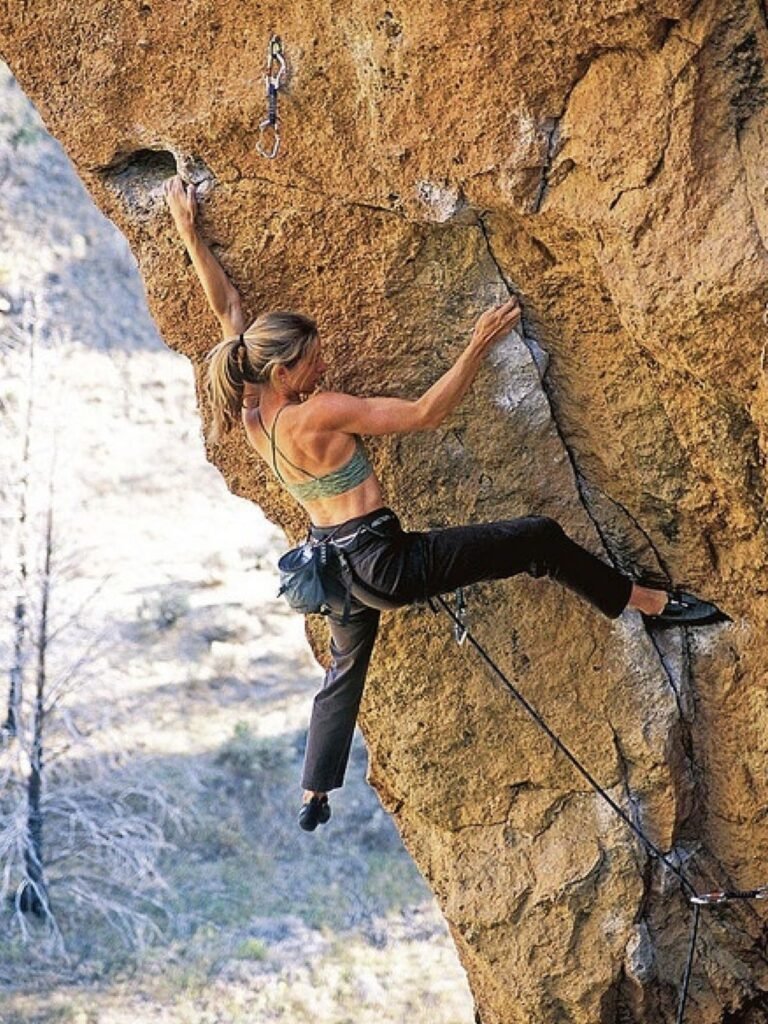
Red Rock Canyon, located just outside Las Vegas, Nevada, is a premier destination for rock climbing enthusiasts seeking both challenge and natural beauty. Known for its striking red sandstone formations and diverse climbing routes, Red Rock offers opportunities for climbers of all levels to test their strength, enhance their fitness, and embrace the spirit of adventure.
Climbing at Red Rock requires a unique combination of physical strength, endurance, and mental focus. Upper body strength, particularly in the arms, shoulders, and back, is essential for pulling and holding oneself on overhangs and vertical faces. Equally important is core strength, which stabilizes the body and allows climbers to maintain balance on precarious ledges. Leg strength is often underestimated, yet it is crucial for pushing off footholds and conserving energy during long climbs. Beyond raw strength, Red Rock climbing challenges the climber’s flexibility and agility, as maneuvering through cracks, slabs, and chimneys often demands creative body positioning.
Fitness gains from climbing extend beyond muscular development. Climbing is a full-body workout that improves cardiovascular endurance, coordination, and grip strength. It also enhances proprioception—the awareness of body position in space—through dynamic movements and precise footwork. The mental benefits are equally profound. Climbers develop problem-solving skills as they read routes, anticipate moves, and manage fear. Focus and patience are cultivated as each route requires careful planning and execution, often under challenging conditions.
Adventure is at the heart of the Red Rock climbing experience. The park’s dramatic cliffs, towering formations, and scenic vistas create an exhilarating environment that pushes climbers beyond their comfort zones. Whether tackling a multi-pitch route or bouldering at the base of a sandstone wall, climbers are rewarded with a sense of accomplishment and connection to nature. The diversity of routes, from beginner-friendly slabs to advanced overhangs, ensures that every climber can find an experience suited to their skill level while continuously striving to improve.
Beyond the physical and mental rewards, Red Rock fosters a vibrant climbing community. Climbers share tips, encourage one another, and celebrate each achievement, fostering camaraderie and a shared passion for adventure. For anyone seeking a combination of strength, fitness, and adventure, Red Rock Canyon is not just a climbing destination—it’s a transformative journey that challenges the body, sharpens the mind, and fuels the spirit.
Red Rock Climbing Tips for Outdoor Fitness
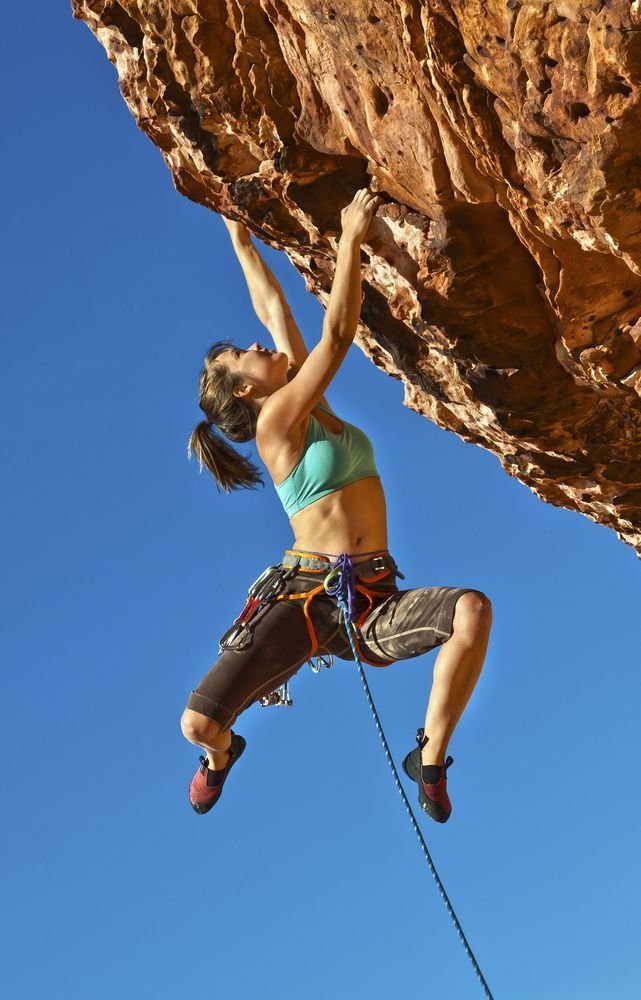
Red Rock Canyon, with its iconic red sandstone cliffs and diverse climbing routes, is a perfect destination for anyone looking to combine outdoor adventure with physical fitness. Rock climbing is not just a recreational activity—it’s a full-body workout that strengthens muscles, improves cardiovascular health, and enhances mental focus. To make the most of your outdoor climbing experience while staying safe and fit, it’s important to follow some essential tips.
1. Build Strength and Endurance: Climbing at Red Rock demands both muscular strength and stamina. Focus on exercises that target the upper body, core, and legs. Pull-ups, push-ups, planks, and squats help develop the power needed to navigate overhangs, cracks, and slabs. Cardiovascular exercises like running, cycling, or swimming improve endurance, allowing you to climb longer routes without fatigue.
2. Practice Technique: Fitness alone is not enough; proper technique is critical. Pay attention to foot placement, body positioning, and weight distribution. Using your legs to push rather than relying solely on your arms conserves energy. Practicing different climbing styles—such as bouldering, slab climbing, and crack climbing—prepares you for the variety of routes Red Rock offers.
3. Warm Up and Stretch: Red Rock’s sandstone can be unforgiving if muscles are cold or tight. A proper warm-up, including dynamic stretches and light cardio, prevents injuries and improves performance. Stretching key muscles, especially shoulders, forearms, and calves, helps maintain flexibility essential for smooth movement on the rock.
4. Hydrate and Fuel: The desert environment of Red Rock can lead to rapid dehydration. Carry sufficient water and snacks to maintain energy levels. Lightweight, high-protein snacks such as nuts, energy bars, and fruit help sustain stamina during long climbs.
5. Safety First: Using proper gear—helmet, harness, climbing shoes, and chalk—is crucial. Learn to check your equipment, tie secure knots, and follow belaying techniques carefully. Climbing with a partner ensures safety and provides motivation.
6. Embrace the Adventure: Beyond physical benefits, climbing Red Rock enhances mental fitness. Problem-solving, focus, and perseverance are developed as you navigate routes. Enjoy the stunning scenery and sense of accomplishment that comes with reaching the top.
By combining strength, technique, and mindfulness, Red Rock climbing becomes not just an outdoor workout but a holistic fitness experience. Following these tips allows climbers to improve their health, push their limits, and fully enjoy the adventure that Red Rock Canyon offers.