
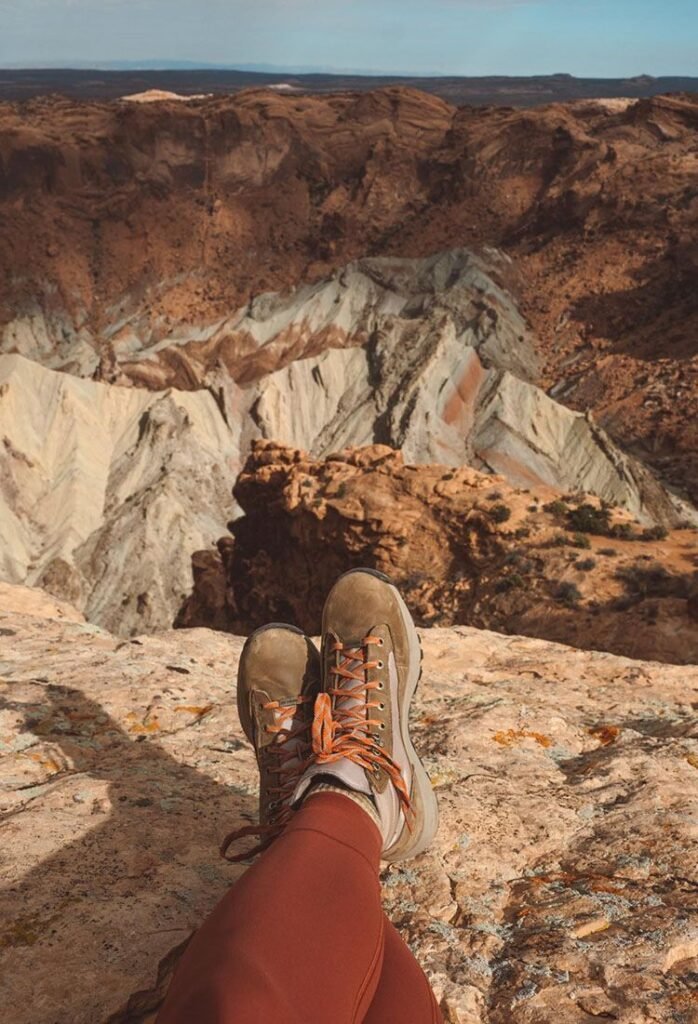
Choosing the right hiker shoes ensures comfort, stability, and safety on all terrains. Proper traction, cushioning, and breathability help reduce fatigue and improve performance on every hike.
Hiker Shoes: Comfort Comes First
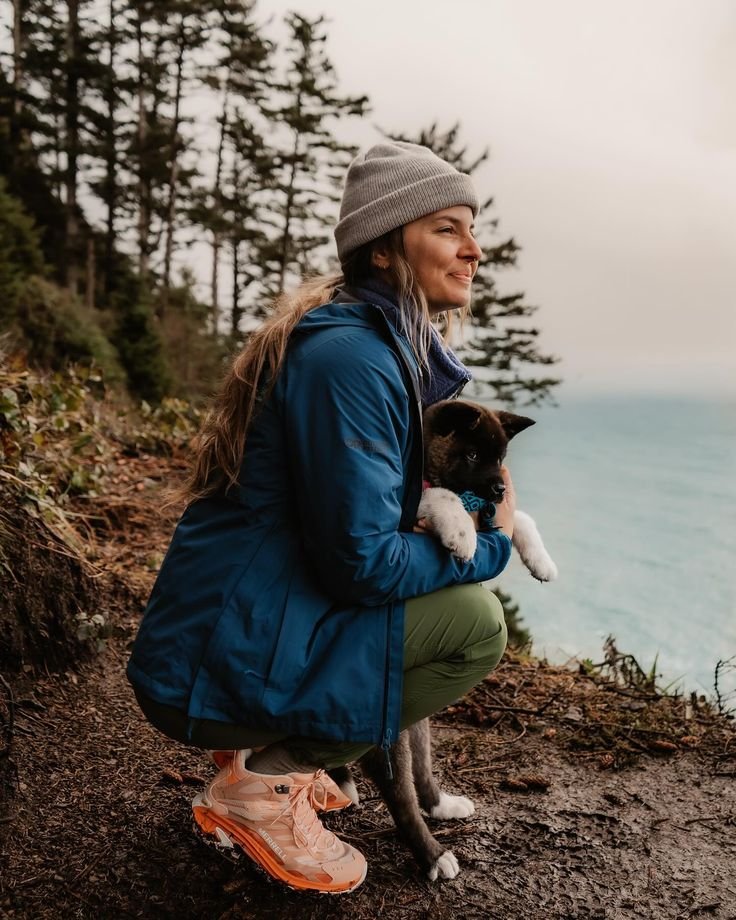
When choosing hiking boots, comfort should be your top priority. Unlike everyday footwear, hiking involves covering long distances over rugged terrain, climbing rocks, crossing streams, and sometimes carrying heavy backpacks. Wearing uncomfortable shoes can lead to blisters, foot pain, joint pain, and even long-term injuries. Comfortable hiking boots not only protect your feet but also enhance the hiking experience, allowing you to focus on the trail and the beauty of the surrounding nature.
Key factors for comfortable hiking boots:
Fit: Proper fit is essential for comfort. The boot should fit snugly but not too tightly. Your toes should have ample room to move without feeling pressure, and your heel should remain stable to prevent slipping. Sizing can vary by brand, so always try on boots before purchasing.
Cushioning and Support: High-quality hiking boots provide cushioning in the sole to absorb shock on rocky or uneven trails. Arch support is also important, as it helps maintain stability and reduce fatigue during long hikes.
Breathability: Breathable shoes keep your feet cool and dry. Porous materials reduce sweat buildup, helping prevent blisters, odor, and discomfort.
Weight: Lightweight hiking boots are ideal for day hikes or longer trips. They reduce fatigue while providing stability, support, and protection. Heavier shoes may provide better protection but may tire your feet more quickly.
Flexibility vs. Stiffness: Depending on the terrain, some hikers prefer more flexible shoes for comfort on easy trails, while others need a stiffer sole for maximum support on more rugged terrain. Finding the right balance between comfort and performance is key.
Prioritizing comfort in hiking boots ensures that every step you take on the trail is supported and pain-free. Comfortable footwear helps prevent injury, increases endurance, and allows you to fully enjoy your hike, whether exploring a local trail or a multi-day adventure. Investing in well-fitting, cushioned, and breathable hiking boots is one of the best decisions any hiker can make.
Types of Hiker Shoes:
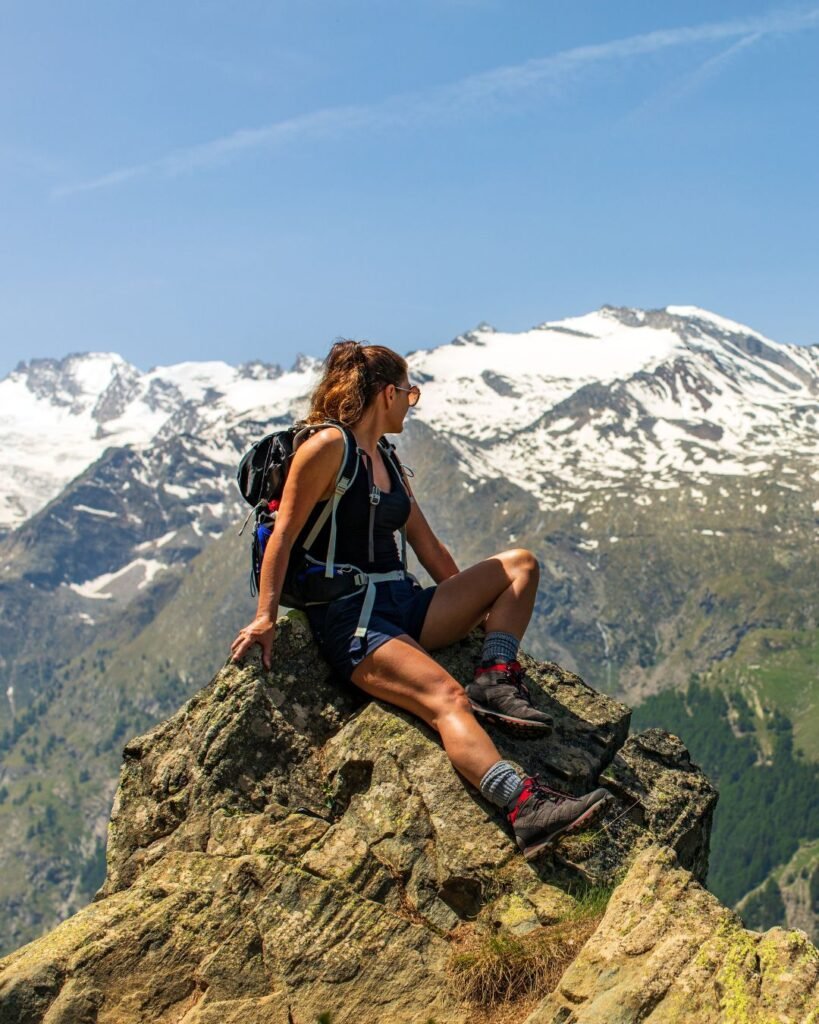
Choosing the right type of hiker shoes depends on your hiking style, the terrain you plan to tackle, and the level of support and protection you need. Hiker shoes come in several categories, each designed to meet specific hiking demands:
- Lightweight Hiking Shoes
- Best for short day hikes and well-maintained trails.
- Typically low-cut or mid-cut, offering flexibility and breathability.
- Lightweight design reduces fatigue, making them ideal for beginners or casual hikers.
- Provide moderate grip and support, suitable for gentle terrain.
- Midweight Hiking Boots
- Offer a balance between support, protection, and flexibility.
- Usually mid-cut to protect the ankle while maintaining mobility.
- Durable materials like leather or reinforced synthetics for long-lasting performance.
- Ideal for moderate hikes, uneven trails, and hikers carrying light to medium loads.
- Heavy-Duty Hiking Boots
- High-cut design for maximum ankle support and stability.
- Thick, rugged soles for challenging and rocky terrains.
- Often waterproof or water-resistant, suitable for wet or muddy conditions.
- Perfect for multi-day hikes, backpacking, or carrying heavy loads.
- Trail Running Shoes for Hiking
- Lightweight shoes designed for fast, agile movement on trails.
- Flexible soles with moderate grip, suitable for easy to moderate trails.
- Provide less ankle support but great for endurance hiking and speed.
- Approach Shoes
- Hybrid between hiking shoes and climbing shoes.
- Sticky rubber soles for rocky or technical trails.
- Ideal for hikers who occasionally scramble or climb short rock faces.
Choosing the right type of hiker shoes ensures comfort, safety, and performance. Consider the terrain, distance, load, and hiking style to select shoes that match your needs. The right pair of hiker shoes can make every hike enjoyable, reduce fatigue, and prevent injuries.
Important Features to Consider in Hiker Shoes:

Choosing the right walking shoes is more than just choosing a comfortable pair. Several key characteristics determine the shoe’s performance on different types of terrain, its durability, and the level of protection and support. Paying attention to these characteristics will ensure a safe, comfortable, and enjoyable walk.
Fit and Comfort
Proper fit is essential. Shoes should fit snugly but not too tightly.
Consider the forefoot area, heel stability, and overall arch support to prevent blisters and discomfort during long walks.
Sole and Traction
The material and pattern of the outsole affect traction and stability.
Deep grooves are better for muddy or rocky trails, while flat soles are better for smooth or dry roads.
A high-quality rubber outsole provides durability and reliable traction.
Support and Cushioning
Midsole cushioning absorbs shock and reduces fatigue.
Arch support helps maintain balance and prevents foot pain on uneven terrain. Ankle support, especially in mid-calf or high-top boots, reduces the risk of ankle sprains.
Materials and Durability
Leather boots are durable and waterproof, but they may take some time to break in.
Synthetic materials are lighter, more breathable, and typically dry faster.
Reinforced stitching and strong adhesives extend the life of boots.
Waterproofing and Breathability
Waterproof boots keep feet dry in wet weather, but may reduce air circulation.
Breathable boots prevent overheating and sweating, keeping feet comfortable on long hikes.
Weight
Lightweight hiking boots reduce fatigue and are ideal for vigorous or long hikes.
Heavier boots provide greater protection and support on more challenging or technical routes.
Closure Type
Lace-up closures provide an adjustable fit and better control.
Velcro closures are convenient for easy on and off. These models are easy to put on, lightweight, and simple, but less adjustable.
By considering these characteristics when choosing hiking boots, you can achieve the perfect balance of comfort, support, durability, and optimal performance for your hikes. The right features make every step safer, more efficient, and more enjoyable.
Best Hiker Shoes for Various Trail Conditions:
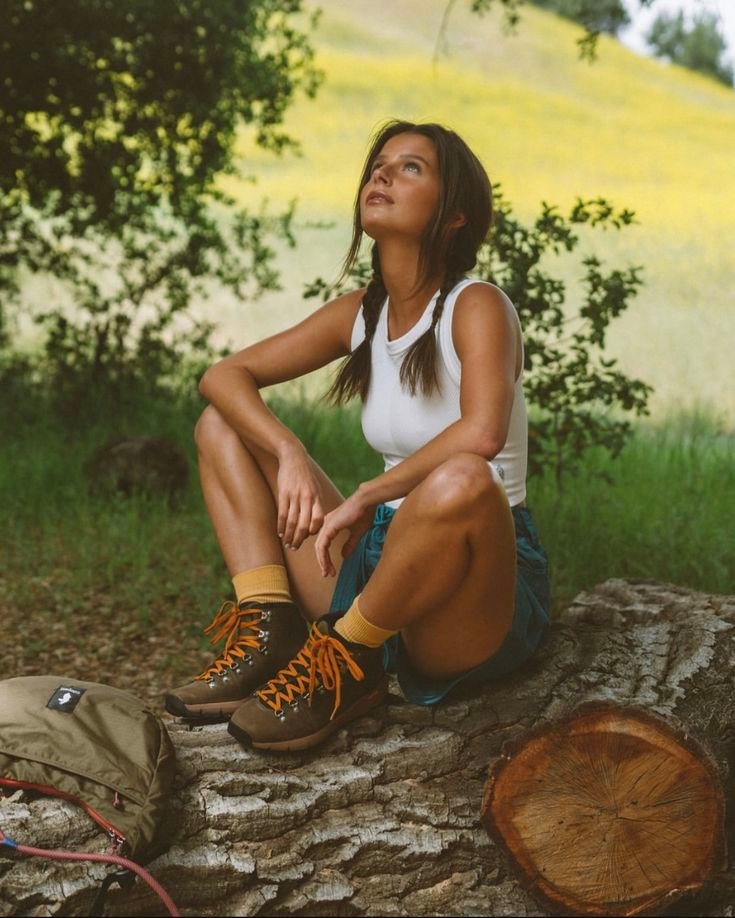
🥾 Best Hiking Shoes for Different Types of Trails
When hiking on different types of terrain, your choice of footwear can make a big difference in comfort, safety, and performance. Each trail condition requires specific characteristics, from stability and support to water resistance and cushioning.
🔹 Rocky and Mountainous Trails
For uneven and rocky trails, you’ll need shoes (or boots) with the following:
Strong Traction: Deep, solid lugs grip loose rocks and stones.
Sturdy Support: A firmer midsole and good toe protection help keep your foot planted.
Ankle Stability: Mid- or high-top designs provide protection from twisting on steep inclines. Good options: Sturdy hiking boots with Vibram soles and reinforced uppers. Hawick
🌧️ Muddy and Wet Trails
Wet and muddy trails require footwear that keeps feet dry and secure:
Waterproof membranes: A Gore-Tex or similar lining prevents water from seeping in.
Deep treads that wick away mud: Help maintain traction without clogging the sole.
Breathable materials: Keep feet comfortable, even on long, wet hikes.
Good choices: Waterproof hiking boots or mid-top boots with a chunky sole.
🏜️ Dry, Sandy, or Desert Terrain
Lightweight Hiker shoes
Lightweight, breathable footwear is essential:
A flexible, breathable upper: Keeps feet cool and reduces sand buildup.
Moderate traction: Sufficient traction on soft sand without the shoe being too heavy.
In dry, hot weather and on sandy trails, running boots are an excellent choice. Himalaya
❄️ Snow or Cold
Snow and cold weather require shoes with enhanced thermal insulation:
Thermal Protection: Keeps you warm and prevents the cold.
Waterproof with Traction: Choose soles that perform well on snowy surfaces.
Compatibility with Traction Gear: Some shoes are compatible with small spikes or cleats for icy trails.
Altitude Sports
📌 All-Terrain Tips
Choose the Right Shoe for Your Hike: It’s rare to find a shoe that’s perfect for all conditions, so consider the terrain you’ll most likely encounter.
Altitude Sports
Consider Running Shoes for Fast Trails: Lightweight running shoes combine agility and stability, making them ideal for easy to moderate trails.
Disent Foot
Heavy-Duty Shoes: If you’re carrying a backpack or tackling rough terrain, it’s best to choose more durable shoes with ankle support.
Kuro Shoes
Summary: Choosing the best hiking shoe depends on your destination. Durable boots are ideal for rocky mountains, waterproof boots for wet trails, breathable boots for dry, sandy environments, and insulated boots to keep your feet comfortable in cold or snowy conditions. Choosing the right features for your terrain will make your trips safer and more enjoyable.
Proper Maintenance and Care for Hiker Shoes:
Regular care is essential to keep your hiking boots comfortable, durable, and ready for any adventure. After each hike, take the time to brush away dirt, dust, and small stones with a soft brush or cloth. For a deep clean, use warm water and mild soap, avoiding harsh detergents, which can damage the material and reduce the water-repellent properties.
Drying Hiking Boots
Properly drying your hiking boots is just as important as cleaning them. Always let them air dry at room temperature. Remove the insole and loosen the laces to improve air circulation inside the boot. Avoid placing your hiking boots near heaters, campfires, or in direct sunlight, as excessive heat can weaken the adhesive, cause the leather to crack, and shorten their lifespan.
Waterproofing and Protection
To maintain waterproofing, apply a suitable water-repellent sealant as soon as water droplets stop accumulating on the boot’s surface. This will help keep your feet dry when walking in wet weather and protect the boot material from moisture damage.
Leather vs. Synthetic Walking Shoes
Leather walking shoes: These preserve the softness and suppleness of the leather and prevent cracking. Use specialized leather cleaners and water-repellent products. Leather shoes are very durable and provide good support, but require more care.
Synthetic walking shoes: Made of mesh, nylon, or polyester blends, these shoes are lightweight and dry quickly. Clean them gently with mild soap and water, reapplying the water-repellent spray as needed.
Storage Tips
Store walking shoes in a cool, dry, and well-ventilated place to prevent mold, odors, and material deterioration. Keep them away from direct sunlight and damp areas.
Additional Tips
Remove the insole and allow it to air dry to prevent odors.
Regularly inspect laces, eyelets, and seams for signs of wear.
Quarter pairs if you walk frequently to ensure shoes dry completely and regain their shape.
Regular care improves the comfort and hygiene of your walking shoes, providing the necessary support, stability, and traction on any trail. With regular care, your walking shoes will last longer and perform better, making every walk safer and more enjoyable.