
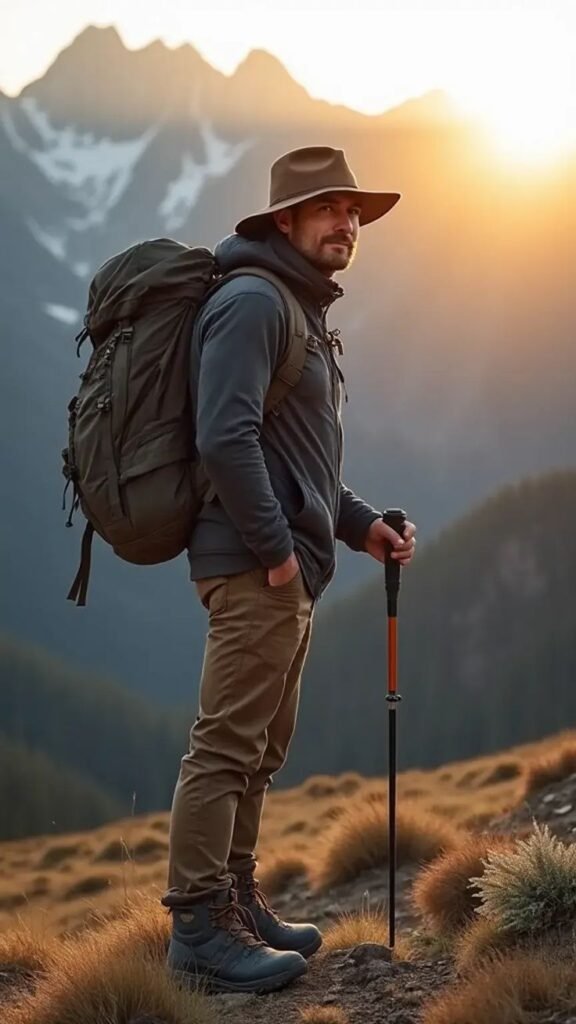
Discover the essential hiker gear for every modern adventure. Our guide covers must-have equipment, from footwear to navigation, to ensure you’re prepared, safe, and comfortable on the trail. Get the ultimate packing checklist here!
Beginner’s Guide to Building Your Hiker Gear Kit on a Budget
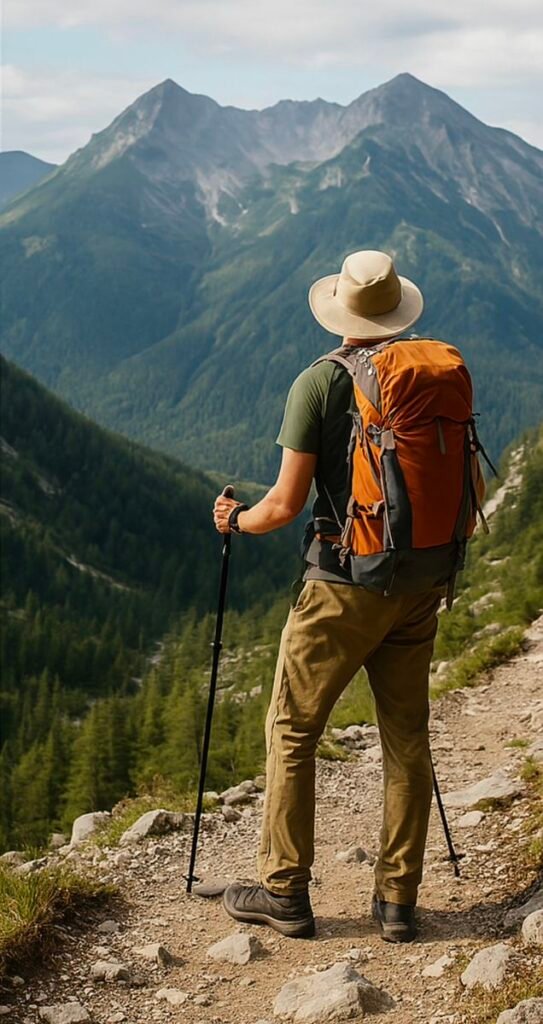
Starting your hiking journey doesn’t mean you need to spend a lot. With smart choices and a focus on essentials, beginners can build a reliable and affordable hiking kit that prioritizes safety, comfort, and durability.
Begin with a sturdy hiking backpack, ideally one that offers good support and enough space for your core gear. For overnight or multi-day trips, consider a budget-friendly hiking tent that is both lightweight and weather-resistant. To keep your meals safe from wildlife and well-organized, invest in practical hiking food storage options such as resealable bags, lightweight containers, or an affordable bear-safe canister if required in your area.
If you plan to explore trails during colder months, don’t overlook winter hiking essentials—this may include insulated layers, traction devices, and weather-resistant outerwear. Safety should always be a priority, so pack a compact first aid kit for hiking that covers common injuries, such as blisters, scrapes, and sprains.
Your clothing and footwear make a huge difference in comfort. Choose moisture-Wicking hiking clothing that layers well and dries quickly. Finally, finish your kit with durable hiking footwear that supports your ankles, provides good traction, and fits comfortably, even on longer trails.
Safety and Comfort Tips For Hiker Gear

Ensuring both safety and comfort on the trail starts with choosing the right essentials. One of the most important items every hiker should carry is the best first aid kit for hiking, equipped with bandages, antiseptic wipes, blister treatments, and any personal medications. Having a reliable kit can make a huge difference when dealing with unexpected injuries or minor emergencies.
Shelter is another key consideration. Even if you’re not planning to camp overnight, carrying an emergency shelter for women can provide vital protection from sudden weather changes, especially on remote or exposed trails. Pair this with a lightweight, dependable hiking tent if your adventure includes an overnight stay or if you want extra preparedness on longer trips.
Comfort also comes from protecting yourself from the elements. Wearing caps with sun protection helps shield your face from harmful UV rays, reduces fatigue, and keeps you cooler during warm-weather hikes.
Hiking Gear Checklist for Men and Women
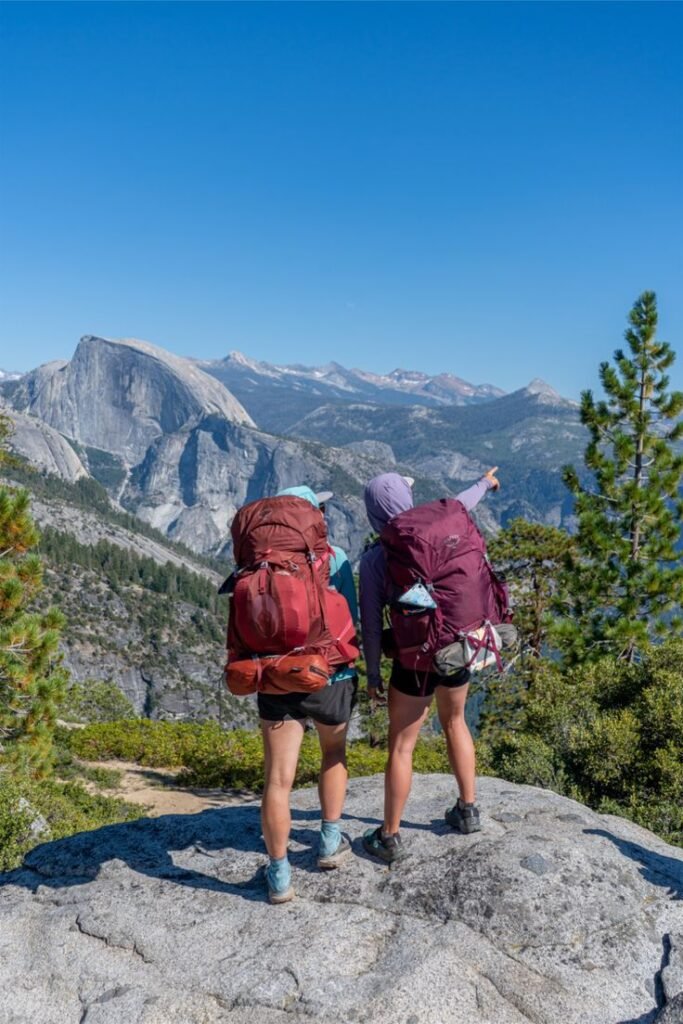
Building the right hiking kit ensures comfort, safety, and confidence on the trail. While many items are universal, some gear needs differ slightly between men and women, especially when it comes to fit and comfort. Footwear is a great example—women often benefit from options
shaped for narrower heels and different foot arches. Quality hiking boots for women or supportive hiking shoes for women offer the stability needed for rocky or uneven terrain.
Clothing matters just as much as footwear. Breathable and flexible hiking pants help reduce chafing and allow for free movement on steep climbs or long trails. Well-fitting Clothes for women and a coordinated hiking outfit for women provide comfort, moisture control, and weather protection, whether hiking in warm or cool conditions.
A reliable hiking backpack for women is designed with shoulder straps and hip belts shaped to fit a woman’s frame, helping distribute weight more efficiently during long hikes. Accessories like a durable hiking belt help keep essential tools secure and within reach, while cushioned hiking socks help prevent blisters and keep feet dry. With the right gear tailored to your body and hiking style, both men and women can enjoy safer, more comfortable, and more enjoyable outdoor adventures
Essential first aid items every Hiker should have
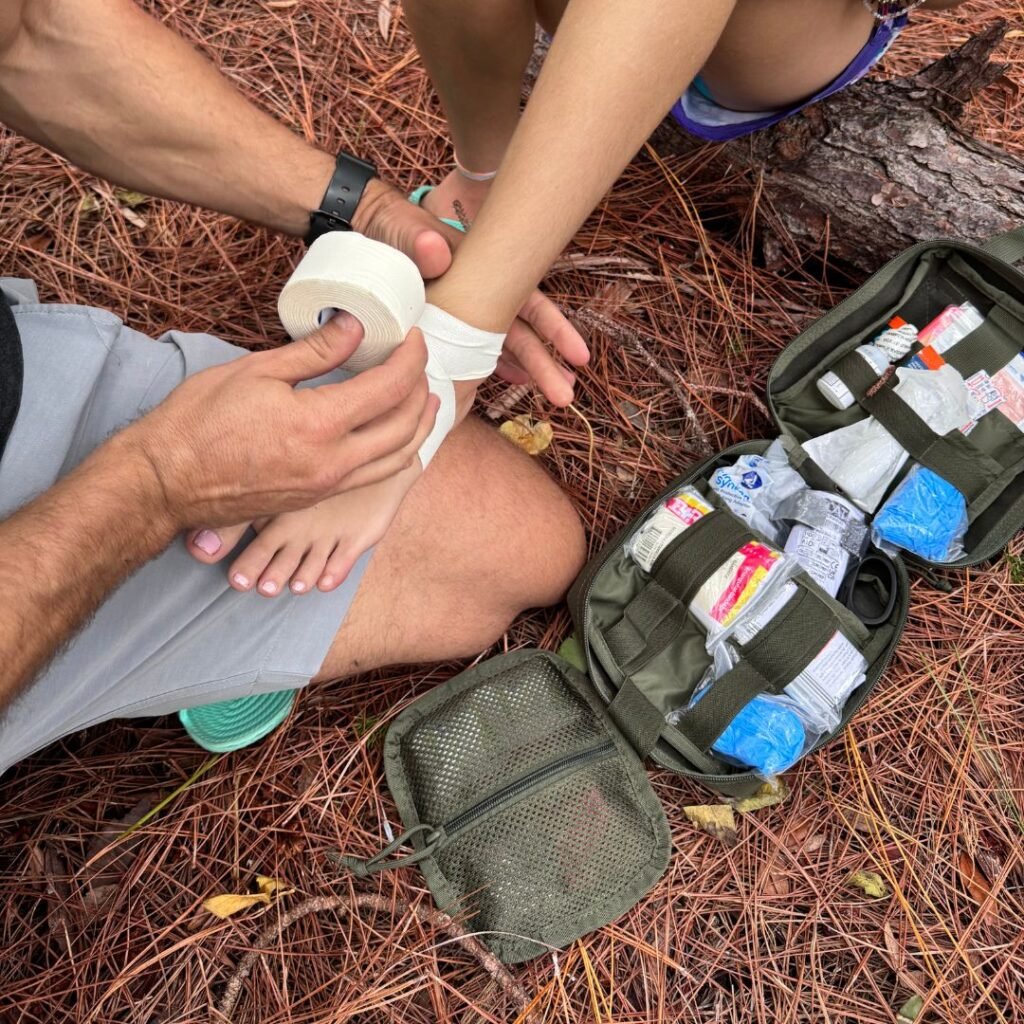
When hitting the trails, a well-stocked first aid kit is one of the most critical pieces of hiker gear. Accidents can happen unexpectedly, and being prepared can make the difference between a minor inconvenience and a serious emergency.
A basic first aid kit should include bandages of various sizes, adhesive tape, and sterile gauze pads to manage cuts, scrapes, and blisters. Blister treatment, such as moleskin or blister pads, is essential for protecting feet on long hikes. Include antiseptic wipes, ointments, or sprays to prevent infection, along with pain relievers like ibuprofen or acetaminophen.
For more serious injuries, pack elastic bandages for sprains or strains, and medical tape to secure dressings or splints. A small scissors, tweezers, and safety pins can help remove splinters, cut tape, or manage clothing adjustments. Include personal medications, like allergy medicine or asthma inhalers, specific to your needs.
It’s also wise to carry emergency items, such as a CPR face shield, sterile gloves, and a compact first aid manual or guide. For multi-day hikes, consider adding electrolyte tablets or oral rehydration salts to prevent dehydration-related issues.
Finally, make sure you know how to use every item in your kit. A well-prepared hiker can treat minor injuries on the spot, avoid worsening problems, and stay safe until professional help is available. First aid is not just gear—it’s peace of mind on every adventure.
Food & Cooking What to Pack on Your Hike
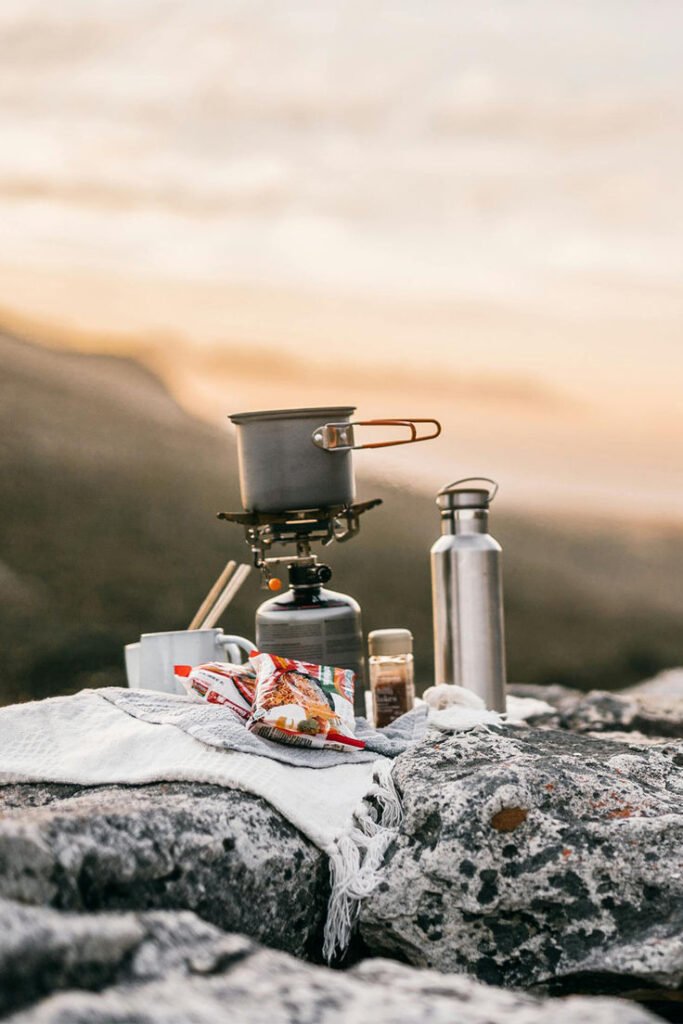
Proper nutrition is essential for maintaining energy, focus, and stamina while hiking. Planning your food carefully ensures you stay fueled and avoid unnecessary weight in your pack.
For day hikes, lightweight and easily accessible snacks are ideal. Nuts, trail mix, energy bars, dried fruit, and granola are nutrient-dense, portable, and non-perishable. Fresh fruit like apples or oranges can also be packed if the hike is short. Small sandwiches or wraps can work, but avoid overly perishable items unless you have a cooler pack.
For overnight or multi-day hikes, you’ll need meals that are lightweight, compact, and require minimal preparation. Dehydrated or freeze-dried meals are popular among backpackers because they are easy to cook with just boiling water. Instant oatmeal, rice, couscous, pasta, or noodle meals are convenient and high in carbohydrates for energy. Add protein through jerky, nuts, or vacuum-sealed tuna packets.
A portable stove or campfire gear allows you to heat meals efficiently. Don’t forget lightweight cooking essentials such as a small pot, spork, and cup. Fuel sources, matches, or a lighter should be packed in a waterproof bag.
Hydration is equally important. Water should be carried in bottles or a hydration bladder, and water purification options such as filters or tablets should be available for longer trips.
Finally, consider food storage and waste management. Carry reusable containers or zip-lock bags and pack out all trash. Planning your food wisely ensures you stay energized, healthy, and safe while enjoying the outdoors.