
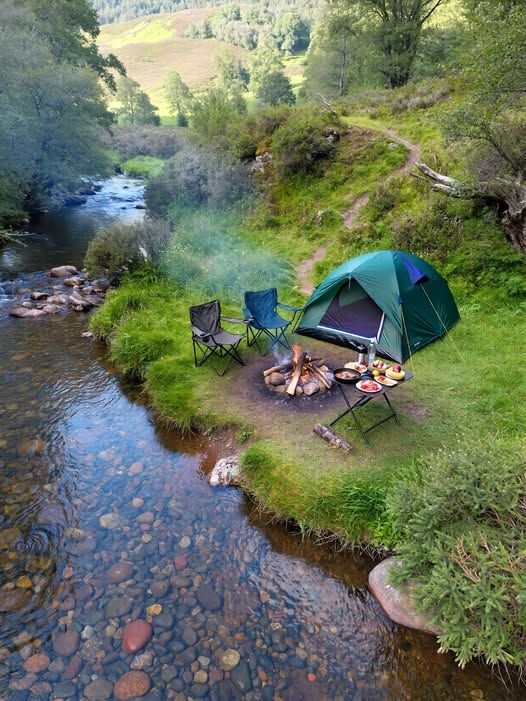
Camping Travel represents more than just a vacation; it’s a philosophy of exploration that prioritizes immersion, simplicity, and direct contact with the natural world. It’s the fusion of the open road and the open sky, the planned itinerary and the spontaneous discovery. Unlike standard tourism, Camping Travel is defined by self-reliance, mobility, and the profound rewards that come from carrying your home on your back or in your vehicle. This ultimate guide is designed to be your comprehensive manual, taking you from the first spark of inspiration to the cherished memories you’ll bring home.
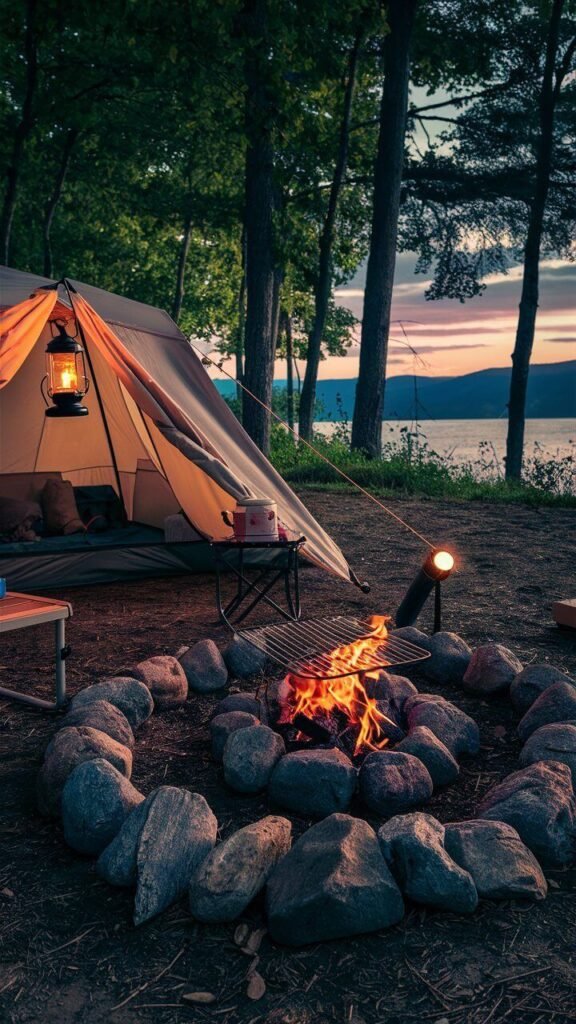
Chapter 1: The Essence and Philosophy of Camping Travel
At its core, Camping Travel is about shifting your mindset from passive consumption to active participation. It’s trading hotel lobbies for forest trails, minibars for campfire-cooked meals, and rigid schedules for the rhythms of sunrise and sunset. This form of travel encourages a deeper connection—to the landscapes you traverse, to your travel companions, and to yourself.
The beauty of Camping Travel lies in its spectrum. It can be a luxurious “glamping” experience in a pre-set safari tent with a king-sized bed, a rugged backcountry trek where you purify your own water, or the quintessential family road trip hopping from one national park campground to the next. Whether by caravan, RV, rooftop tent, or backpack, the unifying thread is the pursuit of adventure that begins where the pavement ends. Successful Camping Travel isn’t about enduring hardship; it’s about smart preparation that maximizes comfort and wonder while minimizing stress and impact.
Chapter 2: The Foundational Pillars: Planning and Preparation
The key to joyful Camping Travel is thoughtful planning. This phase is what transforms a daunting idea into an achievable, exciting adventure.
- Define Your “Why” and “How”: Start by visualizing your ideal trip. Is it about ultimate solitude, family bonding, or scenic photography? Your goal will shape every other decision. Next, choose your mode: car camping for gear-heavy comfort, backpacking for remote access, or RVing for a rolling basecamp.
- Destination Scouting: Research is crucial. Use resources like Recreation.gov, The Dyrt, and national park service websites. Look beyond the famous names; state parks and Bureau of Land Management (BLM) lands often offer incredible, less crowded spots. Key considerations include seasonality, permit requirements (booked months in advance for popular parks), fire regulations, and bear country protocols.
- The Logistics Matrix: Create a master document for reservations, permit numbers, driving directions, and emergency contacts. Always have a paper map as a backup. Inform someone not on the trip of your detailed itinerary.
Chapter 3: The Gear Lexicon: Equipping for Success
Your gear is your lifeline in Camping Travel. The “right” gear is what’s appropriate for your specific trip, not necessarily the most expensive.
The Shelter System: Your tent is your mobile home. Prioritize weather-appropriateness and space. A 3-season tent is sufficient for most; ensure you practice setting it up before you go. Don’t skimp on your sleep system—a quality sleeping bag rated for the expected lows and a comfortable sleeping pad are non-negotiable for restorative rest.
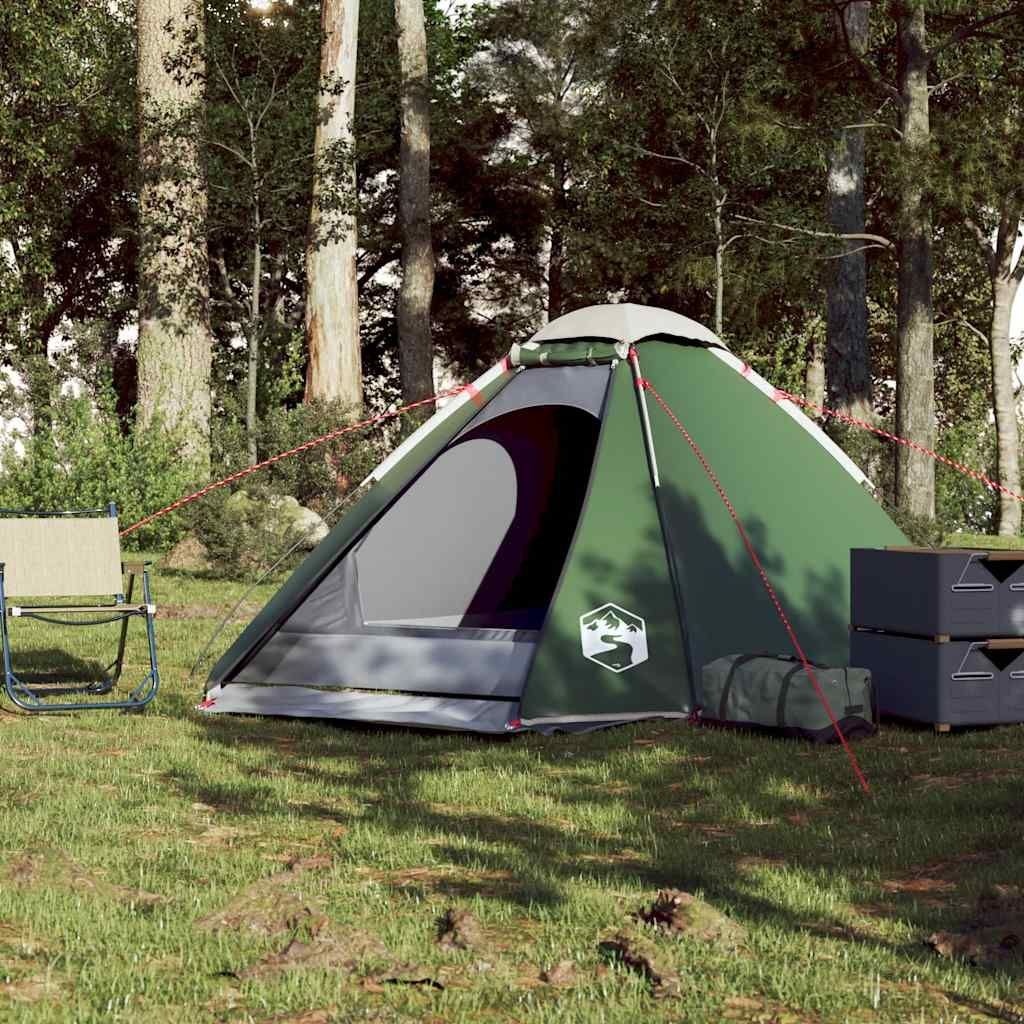
The Kitchen Kit: A portable stove (canister, liquid fuel, or wood), a durable pot/pan set, a spork, and a rugged mug form the basics. Plan simple, one-pot meals. A reliable cooler is vital for car camping, while backpackers rely on dehydrated meals.

The “Always” Pack: This small kit stays with you regardless of trip length: a headlamp with extra batteries, a multi-tool, a first-aid kit tailored to your group’s needs, a firestarter, sun protection, and a reliable water purification method (filter or tablets).

The Clothing Philosophy: Adopt layering. A moisture-wicking base layer, an insulating mid-layer (fleece/puffy), and a waterproof/windproof outer shell. Avoid cotton—it retains moisture and leads to hypothermia. Pack for all expected conditions.

Chapter 4: The Art of Being on the Road and on the Trail
This is where Camping Travel comes alive.
- Setting Up Camp: Arrive with ample daylight. Choose a site that’s level, protected from wind, and at a safe distance from water sources and dead trees (widowmakers). Follow Leave No Trace principles from minute one.
- Camp Craft: Mastering a few skills elevates the experience. Learn to safely build and completely extinguish a campfire where allowed. Know how to properly hang a bear bag or use a canister. Understand basic campsite food safety to avoid unwanted wildlife visitors.
- Embracing the Rhythm: Let go of a strict clock. Spend a day simply reading in a hammock, skipping stones on a lake, or identifying local birds. Camping Travel’s magic often appears in these quiet, unplanned moments.
Chapter 5: The Unbreakable Rule: Leave No Trace
Ethical Camping Travel is sustainable travel. The Leave No Trace (LNT) Seven Principles are your ethical compass:
- Plan Ahead and Prepare.
- Travel and Camp on Durable Surfaces (use established sites and trails).
- Dispose of Waste Properly (Pack it in, Pack it out—including all trash and food scraps).
- Leave What You Find.
- Minimize Campfire Impacts.
- Respect Wildlife (Observe from a distance, never feed).
- Be Considerate of Other Visitors.
Your goal is to leave the site in a condition where the next visitor cannot tell you were there. This ensures the preservation of these wild spaces for future generations of Camping Travel enthusiasts.
Chapter 6: Navigating Challenges and Cultivating Resilience
Even the best-planned Camping Travel adventure can present hurdles. Weather can turn, gear can fail, or a wrong turn can be taken. View these not as trip-ruiners, but as part of the authentic narrative.
- Weather Wisdom: Have a plan for rain (a tarp shelter, good book, card games) and know when to postpone or evacuate for severe conditions.
- Wildlife Wisdom: Store food impeccably. Know how to react to encounters with common animals in your area (e.g., standing tall for black bears, playing dead for grizzlies, giving all animals a wide berth).
- Flexibility is Key: If a campground is full or a trail is closed, have a backup option. The ability to adapt is a superpower in Camping Travel.
Conclusion: Your Journey Awaits
The Ultimate Guide to Camping Travel culminates not with a final step, but with an invitation. The world of Camping Travel is vast, welcoming, and endlessly rewarding. It teaches resourcefulness, fosters resilience, and gifts you with perspectives no city view can match. Start small if you need to—a single night in a local park—to build confidence. Each trip will teach you something new about the world and yourself. So, study the maps, pack your bags, and step out the door. Your personal odyssey of Camping Travel begins with a single decision to explore. The wild is calling. How will you answer?