
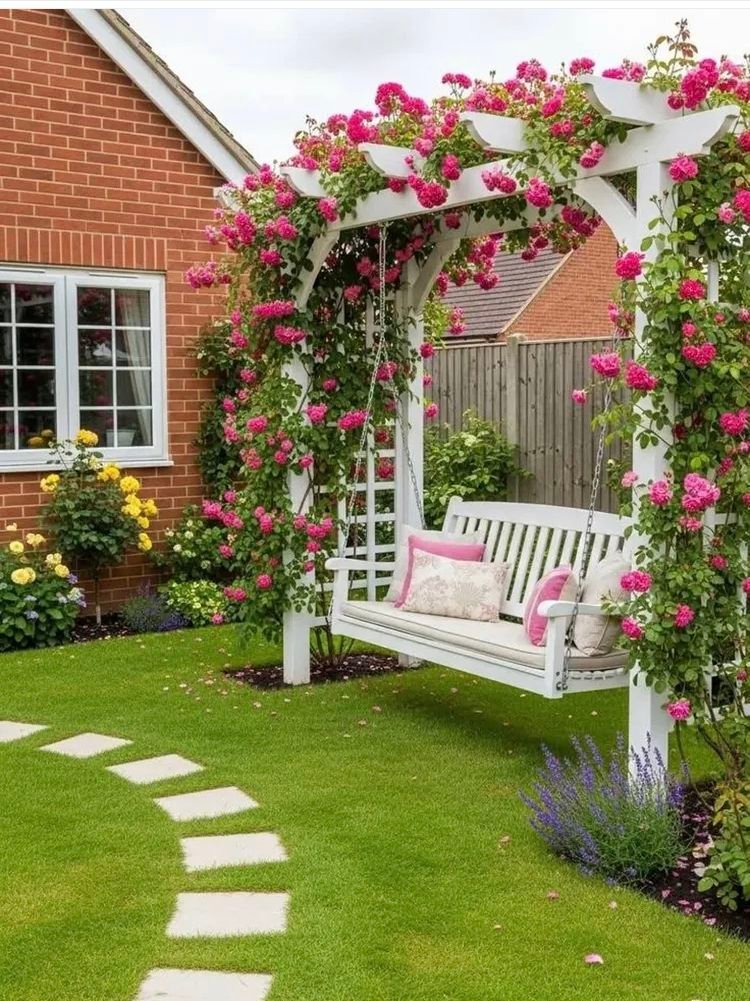
Climbing roses are ideal for adding vertical beauty to gardens, fences, and arches. They thrive in sunny locations with well-drained soil and need sturdy support to grow and spread properly. With regular watering, light pruning, and seasonal feeding, climbing roses produce healthy growth and abundant blooms. Easy to maintain and visually striking, they are perfect for both beginner and experienced gardeners.
Sunlight and Soil Requirements for Climbing Roses
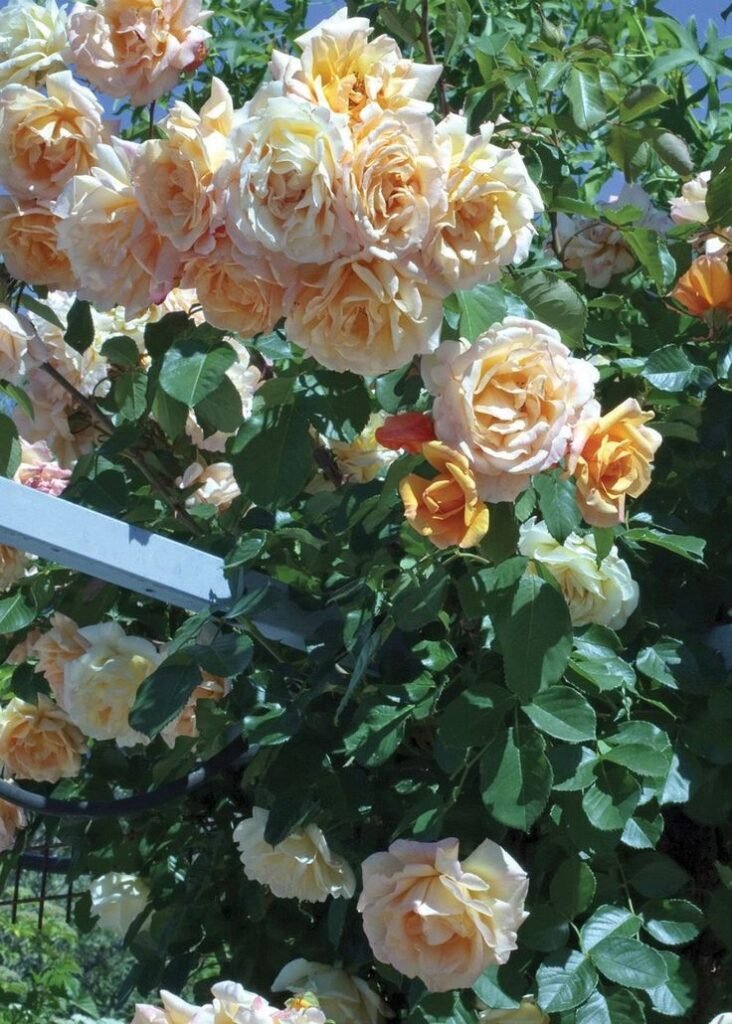
Climbing roses thrive best when their basic sunlight and soil needs are properly met. Most varieties require at least 6–8 hours of direct sunlight each day to produce strong canes and abundant blooms. A sunny location also helps prevent common diseases by improving air circulation and drying excess moisture from leaves. Well-known varieties like peggy martin rose and rugosa roses perform especially well in full sun, showing vigorous growth and long-lasting flowers when light conditions are ideal.
Soil quality is equally important for healthy climbing roses. They prefer well-drained, fertile soil rich in organic matter. Heavy or waterlogged soil can lead to root rot, while overly sandy soil may dry out too quickly. Mixing compost or aged manure into the planting area improves soil structure and nutrient availability. Maintaining slightly acidic to neutral soil pH encourages better nutrient absorption and stronger root development.
Some decorative or symbolic rose types, such as rose gold themed roses and rare blue roses, require extra attention to soil nutrients and drainage to maintain their unique color tones and healthy blooms. Consistent moisture is essential, but overwatering should be avoided. Mulching helps retain moisture, regulate soil temperature, and reduce weeds.
Even wine-inspired varieties like stella rosa wine roses benefit from balanced sunlight and enriched soil, ensuring steady growth and vibrant flowering throughout the season. By providing the right combination of sunlight and soil care, climbing roses can flourish for years, transforming walls, fences, and trellises into stunning vertical displays.
Winter Care and Protection Tips for Climbing Roses
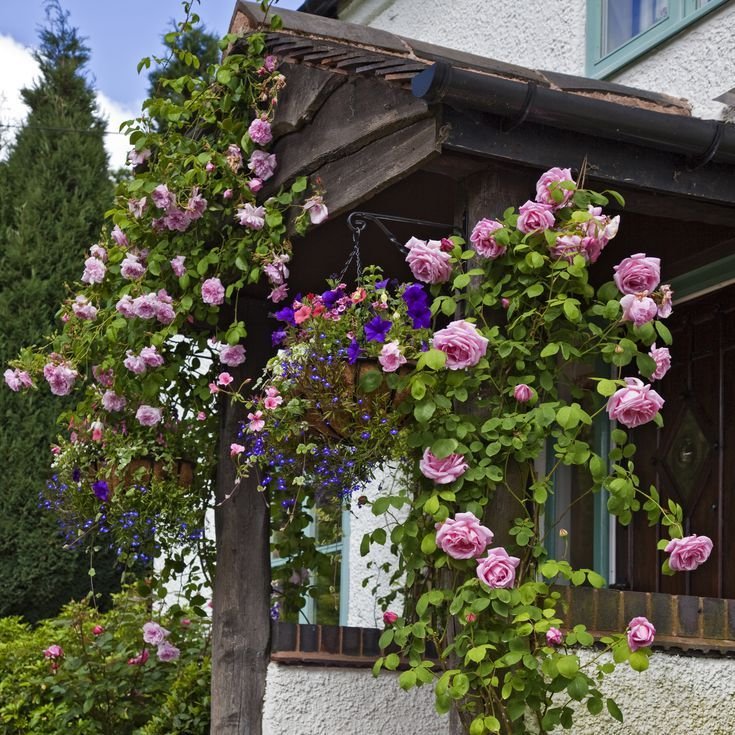
Proper winter care is essential to keep climbing roses healthy and ensure strong growth in the next flowering season. As temperatures begin to drop, start by reducing watering to help the plant prepare for dormancy. Remove fallen leaves and debris from around the base to prevent pests and fungal diseases from overwintering in the soil. Light pruning can be done to remove dead, damaged, or weak canes, but avoid heavy pruning until early spring.
Mulching is one of the most effective ways to protect climbing roses during winter. Apply a thick layer of organic mulch, such as straw, bark chips, or compost, around the base of the plant. This helps insulate the roots, maintain soil moisture, and protect against extreme temperature fluctuations. In colder climates, mounding soil or compost around the lower stems adds extra protection.
For climbing roses trained on trellises or walls, secure the canes firmly to prevent damage from strong winter winds. In very cold regions, canes can be wrapped with burlap, frost cloth, or horticultural fleece to shield them from freezing temperatures. Potted climbing roses should be moved to a sheltered area or insulated with protective coverings to prevent root freeze.
Avoid fertilizing during winter, as this can encourage new growth that is vulnerable to frost damage. Instead, resume feeding in early spring when new shoots appear. With proper winter protection, climbing roses will emerge healthy and ready to produce lush foliage and beautiful blooms when warmer weather returns.
Disease-Resistant Climbing Rose Varieties
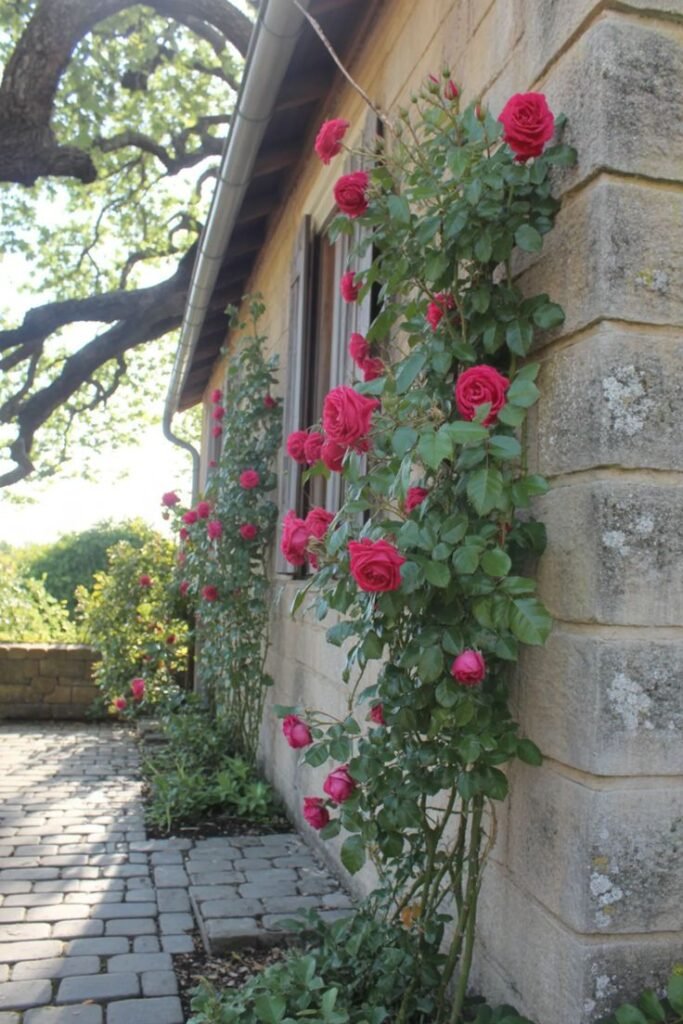
Choosing disease-resistant climbing rose varieties is a smart way to enjoy beautiful blooms with less maintenance. These roses are specially valued for their ability to withstand common problems such as black spot, powdery mildew, and rust. With the right selection and proper soil preparation, gardeners can significantly reduce the need for chemical treatments while maintaining healthy, vibrant plants.
Among the most reliable options, rugosa roses stand out for their exceptional hardiness and natural resistance to diseases. Their thick, textured leaves help repel fungal infections, making them ideal for gardeners seeking low-maintenance climbing or spreading varieties. Another outstanding choice is the peggy martin rose, often called a “survivor rose” due to its ability to thrive even after extreme weather conditions. It shows excellent resistance to disease while producing masses of soft pink blooms.
While unique varieties such as blue roses are admired for their unusual color, they benefit greatly from disease-resistant rootstocks and nutrient-rich soil to stay healthy. Consistent care and good air circulation further enhance their resilience. Decorative and themed roses, including stella rosa wine–inspired varieties, also perform better when planted in well-drained, enriched soil that supports strong root systems.
Proper spacing, regular pruning, and thoughtful soil preparation improve airflow and reduce moisture buildup, which helps prevent disease naturally. By selecting disease-resistant climbing roses and providing the right growing conditions, gardeners can enjoy lush foliage, long-lasting blooms, and healthier plants year after year with minimal effort
Choosing the Best Spot for Climbing Roses in Your Garden
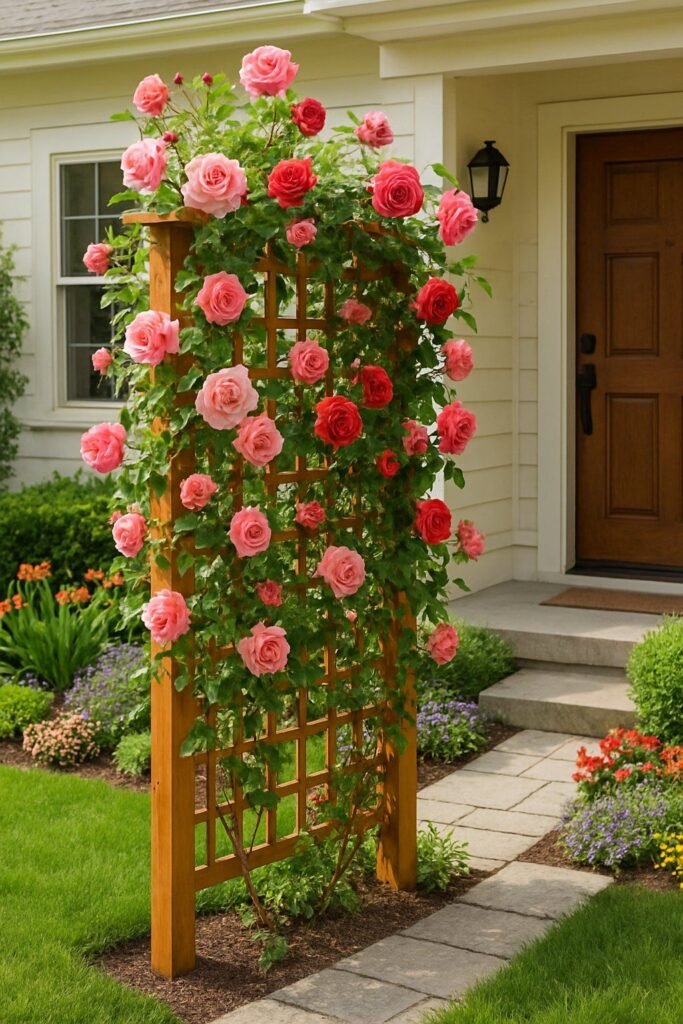
The ideal location for climbing roses is the cornerstone of their success, transforming a healthy plant into a spectacular floral display. These vigorous growers require a specific set of conditions to thrive and reach their full potential.
Sunlight is Non-Negotiable: Prioritize a spot receiving a minimum of six to eight hours of direct sunlight daily. Morning sun is particularly beneficial as it dries dew from the leaves, helping to prevent fungal diseases like blackspot and powdery mildew. Insufficient light leads to weak growth, fewer blooms, and increased susceptibility to disease.
Provide Structure and Airflow: Climbing roses need sturdy support, such as a trellis, arch, pergola, or fence. Ensure the structure is firmly anchored to handle the mature plant’s weight. When planting, position the rose about 12-18 inches away from the base of the support to encourage air circulation around the canes and roots. This crucial airflow further mitigates disease risk.
Mind the Soil and Space: Roses demand well-drained, fertile soil enriched with ample organic matter. Avoid low-lying areas where cold air or water settles. Choose a location with enough vertical and horizontal space for the rose’s expected mature size, ensuring it won’t overcrowd other plants or structures. A well-chosen site, with plentiful sun, good drainage, and robust support, sets the stage for years of breathtaking, fragrant blooms.