
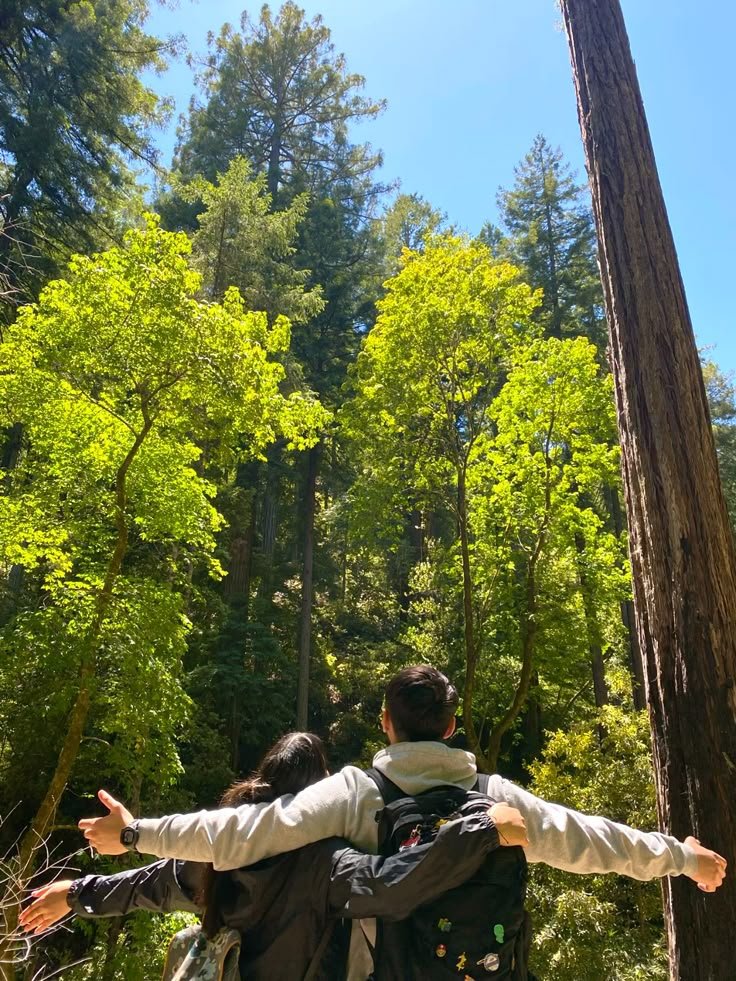
Friendly Camping Travel represents a profound shift in how we approach the outdoors. It moves beyond the checklist of gear and destinations to focus on the quality of the experience—for ourselves, our companions, and the community we temporarily join in nature. “Camping with heart” is more than a slogan; it’s a philosophy that infuses every aspect of your journey with intention, respect, and kindness. This guide will walk you through the principles and practices that transform a standard trip into an experience of Friendly Camping Travel, creating ripple effects of positivity that last long after you’ve packed up your tent.
Chapter 1: The Ethos of Friendly Camping Travel – More Than a Vacation

At its core, Friendly Camping Travel is a mindset. It’s the conscious decision to be a benevolent force in the shared spaces of the natural world. This ethos is built on three interconnected pillars:
- Internal Camaraderie: This is the heart within your own group. Friendly Camping Travel prioritizes collective well-being and joy. It means planning inclusively, communicating openly, and ensuring that every member—from the eager novice to the seasoned expert—feels valued, heard, and comfortable. It’s about building each other up, whether that’s through sharing the load of camp chores or offering encouragement on a steep trail.
- External Courtesy: This is the heart you extend outward. You are a guest in a temporary neighborhood and a fragile ecosystem. Courtesy means adhering strictly to Leave No Trace principles, observing quiet hours religiously, managing your pet responsibly, and keeping your site tidy. It’s the understanding that your right to enjoy nature does not override another’s right to peace.
- Environmental Stewardship: This is the heart you offer to the land itself. Friendly Camping Travel recognizes that we are transient visitors in a permanent home. It’s the practice of leaving no trace of your passage, minimizing campfire impact, respecting wildlife from a distance, and often, leaving your site cleaner than you found it. It’s camping not just in nature, but for nature.
When these three pillars align, you achieve true Friendly Camping Travel. The campsite ceases to be just a place to sleep and becomes a hub of positive energy—a space where memories are made in harmony with people and place.
Chapter 2: Cultivating Your Campfire Circle – The Art of Group Harmony
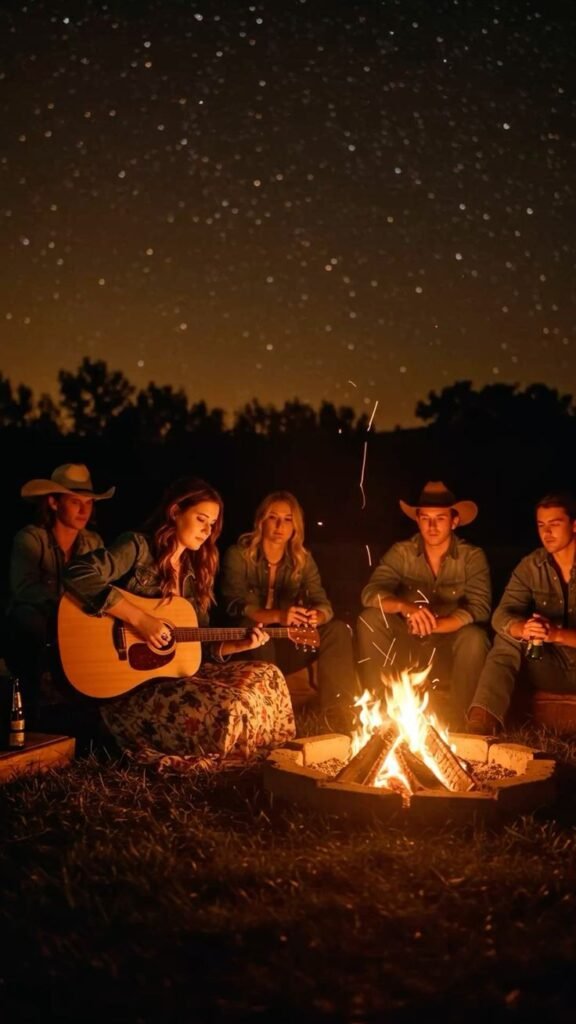
The success of any Friendly Camping Travel adventure begins with the group dynamic. Discomfort, resentment, or mismatched expectations can sour the most beautiful setting. Here’s how to build a resilient, joyful campfire circle.
- Collaborative Planning is Key: Use the planning phase to build anticipation and equity. Create a shared digital document for packing lists and meal ideas. When choosing a destination, consider everyone’s comfort with distance, amenities, and activity level. A group that helps build the itinerary feels a shared ownership of the adventure.
- Embrace “Challenge by Choice”: Never pressure or guilt a member into an activity. The spirit of Friendly Camping Travel honors individual limits. Celebrate the choice to enjoy a quiet hammock afternoon as warmly as you celebrate reaching a summit. This respect for boundaries fosters immense trust and safety within the group.
- Define Roles with Fairness: Ambiguity breeds resentment. Have a lighthearted conversation about camp roles before you go. Rotate coveted and less-coveted jobs (cooking vs. washing up). Framing setup and breakdown as a team sport—“Let’s see how fast we can get this tarp up!”—turns chores into connective play.
- Designate Sacred Unplugged Time: The digital world fragments attention. Friendly Camping Travel thrives on presence. Agree as a group on tech guidelines—perhaps phones stay in the car during the day or are only used as cameras. This intentional space is where campfire stories deepen, silences become comfortable, and real connection flourishes.
Chapter 3: Being a Gracious Neighbor – The Unwritten Rules of Campground Etiquette
Your campsite is one node in a wider community. Practicing gracious etiquette is the most visible expression of Friendly Camping Travel.
- Guard the Soundscape: Control your noise pollution. Use indoor voices after dark, and if you enjoy music, keep it very low and personal with headphones. Respect posted quiet hours (typically 10 p.m. to 7 a.m.) as non-negotiable. The sound of wind and wildlife is the soundtrack others paid to hear.
- Master the Friendly Nod: A smile and a brief “good morning” as you pass a neighbor is the currency of Friendly Camping Travel. Be observant and offer help if you see someone struggling—it could be as simple as holding a tent pole. However, also be perceptive; not everyone seeks conversation. Respect the universal signal of someone reading a book alone as a desire for solitude.
- Contain Your Sphere: Be meticulous about your light and space. Angle lanterns into your own site, not into a neighbor’s tent. Keep all gear, vehicles, and clotheslines within your site’s boundaries. Always keep your dog on a leash, ensure it doesn’t bark incessantly, and always, always clean up after it.
- The Gift of a Clean Site: When you depart, do a thorough sweep. Pick up every bottle cap, twist tie, and bit of food wrapper, even if it wasn’t yours. This final act of Friendly Camping Travel is a gift to the next camper and a direct service to the local wildlife.
Chapter 4: Leaving No Trace – The Ultimate Act of Friendship
The principles of Leave No Trace (LNT) are the non-negotiable framework for Friendly Camping Travel. They are your concrete actions to be a true friend to the environment.
- Plan Ahead and Prepare: Proper preparation prevents poor practices that harm the environment. This means knowing regulations, packing appropriate food to minimize waste, and avoiding overcrowded areas to reduce collective impact.
- Travel and Camp on Durable Surfaces: Stick to established trails and campsites. Creating new paths or camping on fragile vegetation like meadows causes long-lasting damage.
- Dispose of Waste Properly: “Pack it in, pack it out” is the mantra. This includes all trash, leftover food, and hygiene products. For human waste in backcountry areas without facilities, dig a cathole 6-8 inches deep at least 200 feet from water, trails, and camp.
- Leave What You Find: Allow others the joy of discovery. Preserve the past by not touching cultural or historical structures. Avoid carving into trees or building unnecessary rock cairns.
- Minimize Campfire Impact: A camp stove is the most Friendly Camping Travel option for cooking. Where fires are permitted, use established rings, keep fires small, and burn only small, downed wood. Drown the fire until it is cold to the touch before leaving or sleeping.
- Respect Wildlife: Observe from a distance. Never feed animals—it alters their natural behavior, makes them dependent, and can be dangerous. Secure your food and trash in animal-proof containers or hangs.
- Be Considerate of Other Visitors: This final LNT principle encapsulates the entire spirit of Friendly Camping Travel. Yield to others on the trail, take breaks in durable spots off the path, and let the natural sounds prevail.
Conclusion: The Ripple Effect of Camping with Heart
Friendly Camping Travel is an investment in a better outdoor culture. It’s the choice to be the camper who improves the vibe of a campground, who strengthens the bonds of their group, and who actively protects the wilderness. This approach doesn’t require extra money or fancy gear; it requires extra thoughtfulness. By traveling with heart, you ensure that the profound gifts of nature—solitude, beauty, challenge, and connection—remain vibrant and accessible. You prove that the most important thing we can pack is not a piece of equipment, but an attitude: one of respect, kindness, and an open heart, ready for the welcoming adventure ahead.